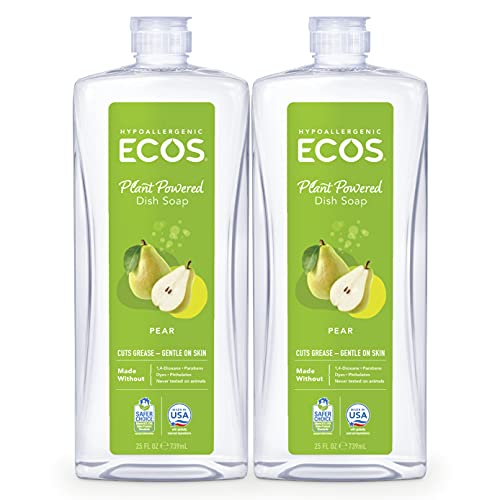
ECOS Dish Soap – Pear
Low PFAS risk. Third-party certified PFAS-free formula.
ECOS is a plant-based dish soap with MADE SAFE and EWG Verified certifications, neither of which would approve products containing PFAS. No intentional PFAS ingredients in formulation.
Brand says: “ECOS products are PFAS-free and certified by MADE SAFE”
We flunk more products than we pass. This one earned its grade. How we grade
Material
Water, plant-derived surfactants, essential oils
Brand disclosure
Third-party verified PFAS-free
Lab data
No PFAS found in testing
You may also be interested in
Top-graded picks in the categories readers replace first, every one scored on the same rubric.

- polypropylene filter housing, carbon/sediment cartridge
- We found no PFAS statement from the brand
- Bacterial growth in spent cartridges
3 hazards checked on this product, all on its full breakdown.

Aquasure
Premier Series 75 GPD Under Sink Reverse Osmosis Water Filtration System
- RO membrane, carbon filters, stainless steel housing
- We found no PFAS statement from the brand
- Bacterial and microbial growth in housing and filters
4 hazards checked on this product, all on its full breakdown.

Avocado
Vegan Mattress
- organic cotton, natural latex, coconut coir, recycled steel coils
- The brand calls it PFAS-free, which we have not verified
- Heavy metals
2 hazards checked on this product, all on its full breakdown.
What ECOS Dish Soap – Pear is made of, ingredients and materials
ECOS Pear Dish Soap is formulated primarily from water and plant-derived surfactants, which break down grease without relying on synthetic petroleum-based detergents. The formula includes essential oils for fragrance rather than synthetic fragrance chemicals, reducing exposure to undisclosed fragrance allergens and volatile compounds. Plant surfactants like coconut oil derivatives are biodegradable and generally recognized as lower concern than legacy synthetic detergents in terms of aquatic and indoor air impact.
What’s concerning
Category baseline
The starting point for this type of product, before anything specific to this product is counted.
Fragrance allergens (essential oils)
Pear flavoring and essential oil components can trigger contact dermatitis or respiratory sensitization in individuals with fragrance allergies or asthma. No specific adverse event reports are on record for this product, but essential oils are known allergens in the general population.
Eye and mucous membrane irritation
As with all dish soaps, the surfactant concentration is designed to cut grease and will cause irritation if it contacts eyes or is ingested. This is standard hazard for the category and not specific to ECOS; use appropriate precautions during handling.
Skin irritation from repeated contact
Prolonged or frequent skin exposure to any surfactant can strip natural oils and cause irritation, dermatitis, or drying. Plant-derived surfactants are not inherently gentler on skin than synthetic ones; risk depends on individual sensitivity and contact duration.
What’s reassuring
No PFAS found in lab test
No PFAS detected in independent testing.
Base material not linked to PFAS
The main material recorded for this product is not one associated with PFAS.
Third-party PFAS-free verification
A third party reports verifying this product as PFAS-free.
1,4-dioxane contamination
This surfactant manufacturing byproduct is not documented in ECOS formulas, and the brand's third-party transparency standards would likely flag it. No recalls or test results showing 1,4-dioxane in this product are on record.
Heavy metals
ECOS does not use synthetic azo dyes or legacy heavy-metal-based colorants in this line. No documented contamination events or regulatory findings specific to this product exist in available sources.
Source, FDA ↗How is this PFAS grade calculated?
The brand's record and disclosure
ECOS is owned by SC Johnson and markets itself as an eco-conscious line with third-party PFAS-free certification, verified through independent testing. The brand has maintained transparent ingredient disclosure and has not faced significant safety recalls or regulatory warnings specific to this product line. ECOS products carry EPA Safer Choice recognition, indicating ingredient and formula review against a defined safety standard.
How it compares in its category
Plant-based dish soaps like ECOS typically carry lower concern profiles than conventional petroleum-derived detergents regarding respiratory irritation and water toxicity. Most standard dish soaps contain synthetic fragrances and preservatives; ECOS's use of essential oils instead places it in a smaller subset prioritizing ingredient transparency. Compared to fragrance-free or minimal-additive alternatives, ECOS Pear sits in the middle ground, more transparent than mass-market brands, but with added pear fragrance that introduces essential oil components.
If you buy it
Store at room temperature away from direct sunlight to preserve essential oil integrity and surfactant stability. Use standard dish-washing practices; no special precautions are required beyond keeping it away from eyes and mouth, as with all cleaners. The formula is designed for grease removal on dishes and is not intended for skin contact or ingestion. Shelf life is typical for liquid soaps, usually 12-24 months; discard if separation or off-odor develops.
What is not known about PFAS in this product?
- Basis
- Model estimate, 92% confidence, not a lab result
- Lab test
- Independent test found none
- Brand statement
- Ecos has made a specific claim
Formulations change between production runs, so check the current label. How we grade.
More dish soap grades
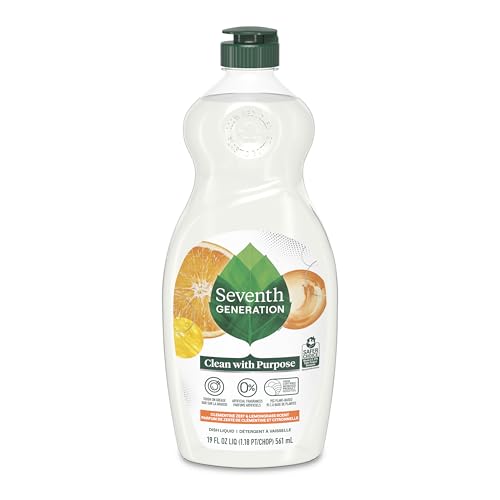 100Seventh Generation Dish Soap - Clementine Zest & Lemongrass
 100Seventh Generation Dish Soap - Fresh Lime & Ginger
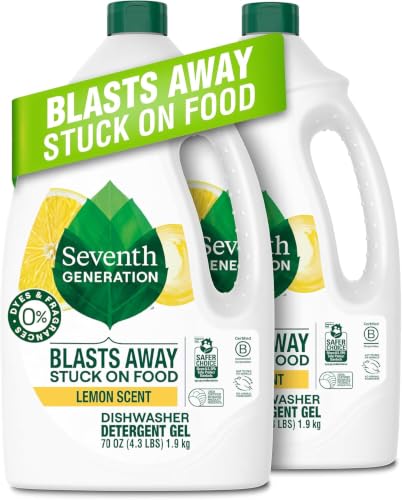 100Seventh Generation Dish Soap - Lemon
 100Dish Soap
 100Method Dish Soap, Lemongrass
 100ECOS Dish Soap – Apricot
 100ECOS Dish Soap – Free & Clear
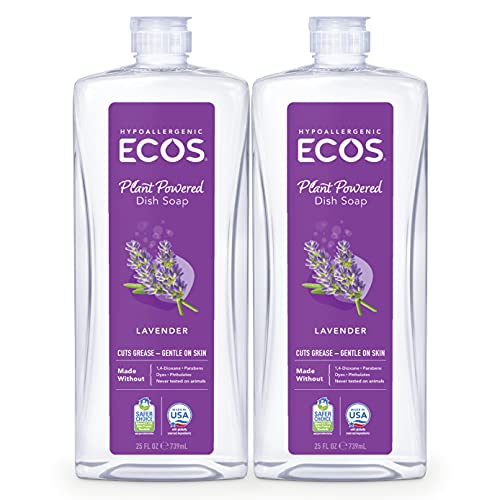 100ECOS Dish Soap – Lavender
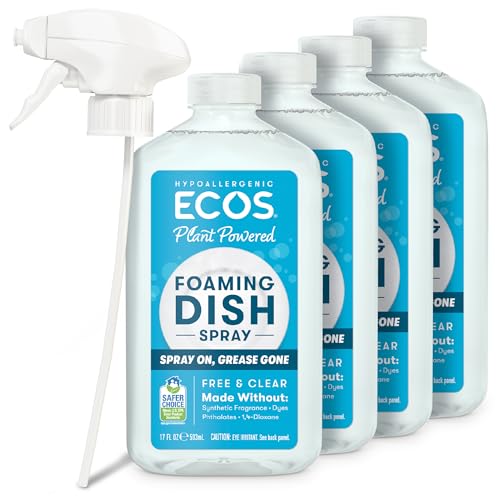 100ECOS Foaming Dish Soap – Free & Clear
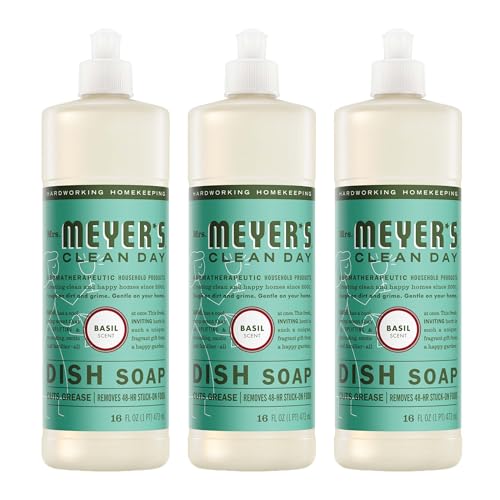 100Mrs. Meyer's Clean Day Basil Dish SoapCompare vs Ecos →All dish soap →
How we score, every product runs through the same public 0-100 rubric based on materials, coatings, brand disclosure, lab findings, and recalls. See the full methodology → Spotted a mistake? Report an error.