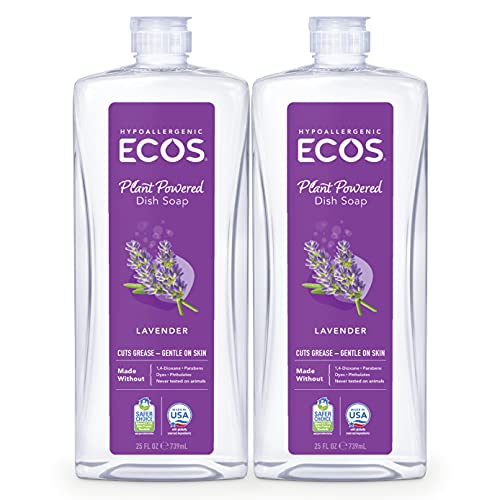
ECOS Dish Soap – Lavender
Low PFAS concern; MADE SAFE and EWG verified. Buy with confidence.
ECOS Lavender Dish Soap is a plant-based formula with third-party certifications confirming no PFAS. No surfactants or coatings present that typically carry PFAS risk.
Brand says: “ECOS products are PFAS-free and made with plant-based ingredients. MADE SAFE certified.”
We flunk more products than we pass. This one earned its grade. How we grade
Material
Plant-based surfactants, water, essential oil
Brand disclosure
Brand claims PFAS-free
Lab data
No PFAS found in testing
You may also be interested in
Top-graded picks in the categories readers replace first, every one scored on the same rubric.

- polypropylene filter housing, carbon/sediment cartridge
- We found no PFAS statement from the brand
- Bacterial growth in spent cartridges
3 hazards checked on this product, all on its full breakdown.

Aquasure
Premier Series 75 GPD Under Sink Reverse Osmosis Water Filtration System
- RO membrane, carbon filters, stainless steel housing
- We found no PFAS statement from the brand
- Bacterial and microbial growth in housing and filters
4 hazards checked on this product, all on its full breakdown.

Avocado
Vegan Mattress
- organic cotton, natural latex, coconut coir, recycled steel coils
- The brand calls it PFAS-free, which we have not verified
- Heavy metals
2 hazards checked on this product, all on its full breakdown.
What ECOS Dish Soap – Lavender is made of, ingredients and materials
ECOS Dish Soap uses plant-derived surfactants (typically coconut or palm oil-based) rather than petroleum-derived ones, which break down more readily in aquatic environments and pose lower bioaccumulation risk. The formulation includes water, essential oil (lavender), and typically preservatives and chelating agents to prevent mineral buildup. Plant-based surfactants still require proper surfactant chemistry to work effectively, so the product contains additives; these are disclosed on the label and vetted by EWG and MADE SAFE certifications.
What’s concerning
Category baseline
The starting point for this type of product, before anything specific to this product is counted.
Fragrance allergens (essential oil)
Lavender essential oil is a known skin and respiratory allergen in sensitive individuals, though at typical dish soap dilutions, dermal contact risk is moderate for most users. Inhalation during use is minimal but possible with vigorous washing or skin contact on hands.
Eye irritation on contact
As with all surfactant-based dish soaps, accidental contact with eyes will cause irritation; this is a standard hazard class for the product type, not specific to ECOS. Use normal care during application and rinse thoroughly if contact occurs.
What’s reassuring
Base material not linked to PFAS
The main material recorded for this product is not one associated with PFAS.
Third-party PFAS-free verification
A third party reports verifying this product as PFAS-free.
No PFAS found in lab test
No PFAS detected in independent testing.
Preservative or chelating agent residues
ECOS does not disclose specific preservatives or chelating agents in this product line publicly, though both are typically necessary in plant-based formulations. No reported toxicity concerns or recalls linked to residual preservatives in ECOS products are on record.
Heavy metals
Plant-based surfactants can theoretically accumulate trace metals from soil if sourcing is uncontrolled, but ECOS third-party certifications (MADE SAFE, EWG Verified) typically include heavy metal screening. No reported contamination in finished product is on record.
Source, FDA ↗How is this PFAS grade calculated?
The brand's record and disclosure
ECOS (made by Earth Friendly Products) has maintained a long-standing commitment to transparency, listing all ingredients on packaging and third-party certifications from EWG Verified and MADE SAFE. The brand explicitly avoids PFAS, phthalates, and synthetic fragrances in many formulations, and this transparency is well-documented across product lines. No significant safety recalls or undisclosed ingredient controversies are on record for this product or line. The brand's stance aligns with regulatory compliance and exceeds minimum disclosure requirements.
How it compares in its category
Most conventional dish soaps use synthetic surfactants derived from petroleum and often include antimicrobial additives (triclosan, sometimes hidden in fragrance) that pose aquatic toxicity concerns. ECOS positions itself as an environmentally responsible alternative with lower concern for bioaccumulation and fewer synthetic additives. Plant-based surfactants cost more to produce, making ECOS typically pricier than mass-market brands; this price reflects formulation transparency and certifications. Compared to other plant-based dish soaps, ECOS ranks among the most rigorously certified and transparent.
If you buy it
Use as directed on the label; no special storage precautions are needed beyond keeping it sealed and away from extreme heat. The product is aquatic-safe by design and can be used for both hand and machine washing. Because it contains essential oils, patch-test on sensitive skin if you have fragrance allergies; the lavender scent is from concentrated essential oil, not synthetic fragrance, but essential oils themselves can trigger reactions in some individuals. Standard disposal is low concern for septic and municipal systems.
What is not known about PFAS in this product?
- Basis
- Model estimate, 92% confidence, not a lab result
- Lab test
- Independent test found none
- Brand statement
- Ecos has made a specific claim
Formulations change between production runs, so check the current label. How we grade.
More dish soap grades
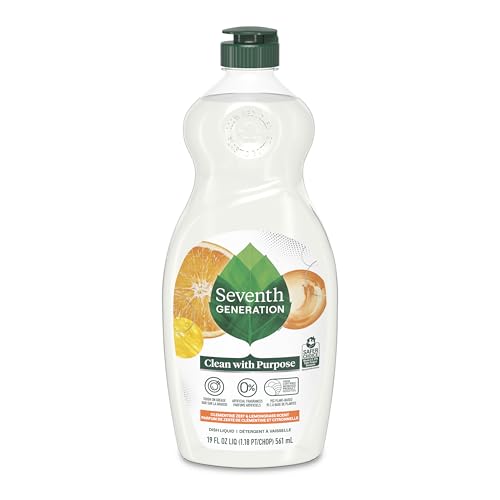 100Seventh Generation Dish Soap - Clementine Zest & Lemongrass
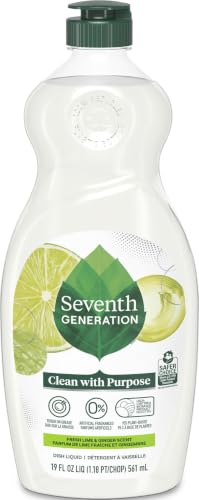 100Seventh Generation Dish Soap - Fresh Lime & Ginger
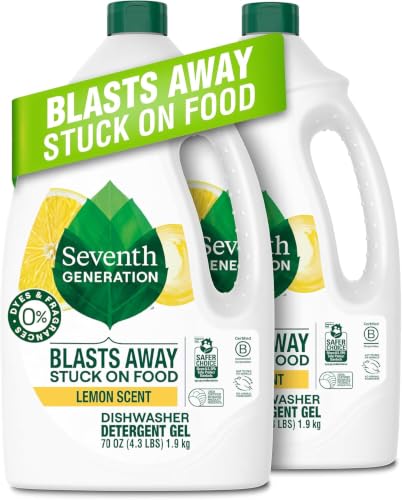 100Seventh Generation Dish Soap - Lemon
 100Dish Soap
 100Method Dish Soap, Lemongrass
 100ECOS Dish Soap – Apricot
 100ECOS Dish Soap – Free & Clear
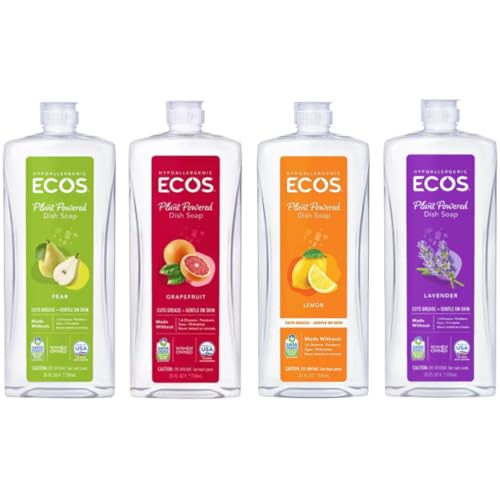
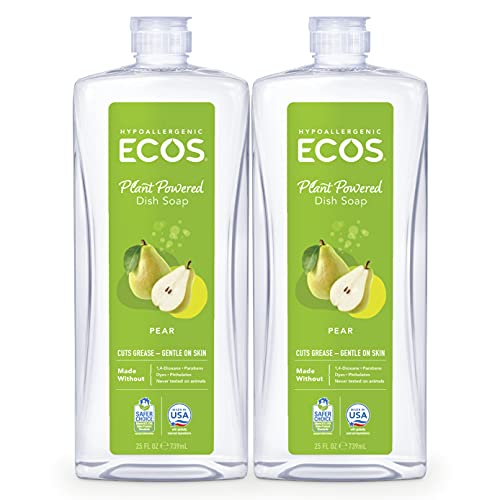 100ECOS Dish Soap – Pear
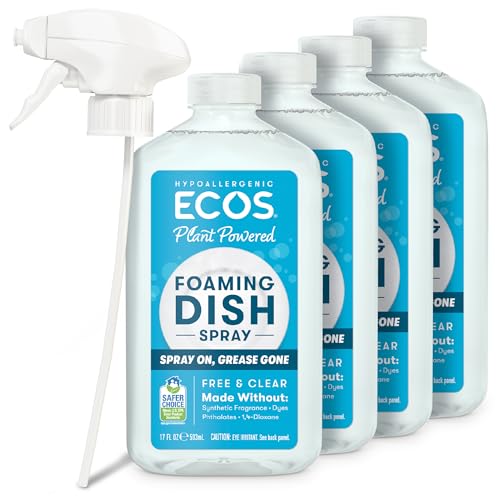 100ECOS Foaming Dish Soap – Free & Clear
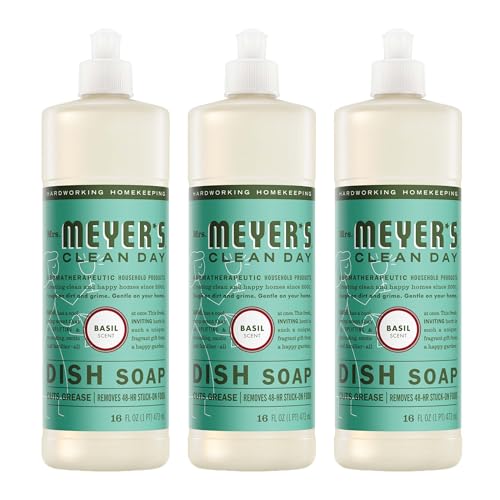 100Mrs. Meyer's Clean Day Basil Dish SoapCompare vs Ecos →All dish soap →
How we score, every product runs through the same public 0-100 rubric based on materials, coatings, brand disclosure, lab findings, and recalls. See the full methodology → Spotted a mistake? Report an error.