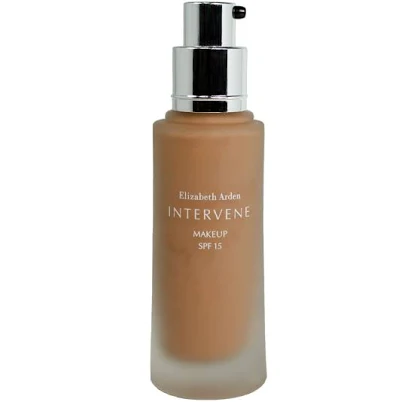
Elizabeth Arden Intervene Makeup SPF 15
Lower concern cosmetic. No known PFAS drivers in typical formulas.
Liquid makeup contains no inherent PFAS-prone materials like Teflon-family coating or water/stain repellents. Elizabeth Arden does not disclose PFAS data; routine cosmetics rarely contain intentional forever chemicals.
We flunk more products than we pass. This one earned its grade. How we grade
Material
liquid foundation with mineral and organic pigments
Brand disclosure
Brand is silent on PFAS
Lab data
No public lab test
You may also be interested in
Top-graded picks in the categories readers replace first, every one scored on the same rubric.

- polypropylene filter housing, carbon/sediment cartridge
- We found no PFAS statement from the brand
- Bacterial growth in spent cartridges
3 hazards checked on this product, all on its full breakdown.

Aquasure
Premier Series 75 GPD Under Sink Reverse Osmosis Water Filtration System
- RO membrane, carbon filters, stainless steel housing
- We found no PFAS statement from the brand
- Bacterial and microbial growth in housing and filters
4 hazards checked on this product, all on its full breakdown.

Avocado
Vegan Mattress
- organic cotton, natural latex, coconut coir, recycled steel coils
- The brand calls it PFAS-free, which we have not verified
- Heavy metals
2 hazards checked on this product, all on its full breakdown.
What Elizabeth Arden Intervene Makeup SPF 15 is made of, ingredients and materials
Elizabeth Arden Intervene is a liquid foundation combining water, mineral pigments (likely iron oxides, titanium dioxide), and organic emollients typical of mid-range cosmetics. The SPF 15 additive requires UV-absorbing compounds, typically chemical filters or mineral blocks, which are a known inclusion point for scrutiny but not a safety flag at this concentration in rinse-off products. Mineral and organic pigment blends in foundations are among the most regulated cosmetic ingredients; FDA and EU standards limit heavy metal impurities in pigments to parts-per-million levels. No recalls or contamination reports are on public record for this specific product line.
What’s concerning
Category baseline
The starting point for this type of product, before anything specific to this product is counted.
No PFAS disclosure
No public statement from the brand about PFAS in this product.
1,4-dioxane contamination
This compound is a trace contaminant in some cosmetics derived from ethoxylated ingredients (common emulsifiers in liquid foundations). No specific testing for 1,4-dioxane in this product is publicly available; risk is low but not zero in mainstream liquid formulas. If concerned, seek products labeled 1,4-dioxane-free or use brands with published purity testing.
Fragrance allergens (undisclosed components)
Elizabeth Arden Intervene contains fragrance (often listed as 'parfum' on label). Fragrance blends are proprietary and individual allergens (limonene, linalool, eugenol) are not itemized on most cosmetic labels. Individuals with fragrance sensitivity or atopic dermatitis should test before full use or choose fragrance-free alternatives.
Skin irritation from UV filters at high concentration
SPF 15 requires UV-active compounds; some chemical filters (oxybenzone, octinoxate) or excessive mineral filter loading can irritate sensitive skin. This product's SPF is modest and unlikely to cause systemic absorption concerns, but localized irritation in sensitive individuals is plausible. Patch test if you have reactive or compromised skin barrier.
What’s reassuring
Base material not linked to PFAS
The main material recorded for this product is not one associated with PFAS.
Lead
Mineral pigments in foundations are regulated and impurity limits are enforced by FDA. No recalls or test results showing elevated heavy metals in Elizabeth Arden Intervene are on public record; routine cosmetic-grade iron oxides and titanium dioxide carry minimal contamination risk under current standards.
Source, ATSDR ↗Formaldehyde / VOCs
No evidence that this product contains formaldehyde or DMDM hydantoin/imidazolidinyl urea releasers. Liquid foundations typically use preservative systems with lower concern profiles (benzoates, phenoxyethanol); Elizabeth Arden's mainstream formulas do not carry a known history of formaldehyde inclusion.
Source, ATSDR ↗How is this PFAS grade calculated?
The brand's record and disclosure
Elizabeth Arden does not publish a standalone PFAS elimination commitment or transparency report specific to cosmetics lines, though parent company Revlon has faced scrutiny on ingredient disclosure practices in recent years. The brand is not known to have faced major safety recalls or formulation controversies in the foundation category. Elizabeth Arden products are sold in regulated retail channels (Sephora, department stores) subject to FDA compliance and ingredient labeling rules, which provides a baseline safety floor but not proactive third-party certification.
How it compares in its category
Liquid foundations occupy a middle ground for safety concern. This product sits in the mainstream cosmetics tier, with no special certifications (organic, clean-label, heavy-metal tested) that distinguish premium or clinical alternatives. Compared to budget brands, Elizabeth Arden typically maintains tighter quality control; compared to dermatologist or indie brands, it lacks published third-party testing for lead or cadmium in pigments. For a drugstore/department-store foundation, the safety profile is consistent with competitor offerings from Clinique, Estée Lauder, and MAC.
If you buy it
Store in a cool, dry place away from direct sunlight to prevent separation or pigment degradation over time. Liquid foundations typically have a 12-18 month shelf life after opening; discard if color shifts, separation occurs, or odor becomes chemical/off. Patch test if you have sensitive skin or a history of cosmetic reactions, particularly on the inner arm before full face application. Do not heat the bottle or expose to freezing temperatures, as emulsion stability may break down.
What is not known about PFAS in this product?
- Basis
- Model estimate, 72% confidence, not a lab result
- Lab test
- None on record for this exact product
- Brand statement
- Elizabeth Arden has made none
Formulations change between production runs, so check the current label. How we grade.
More makeup grades
How we score, every product runs through the same public 0-100 rubric based on materials, coatings, brand disclosure, lab findings, and recalls. See the full methodology → Spotted a mistake? Report an error.