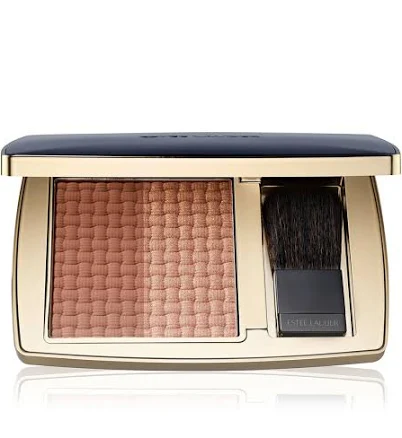
Estée Lauder Sculpting Blush - One size
Low-Medium risk. Standard pressed blush has no inherent need for water-repellent coatings.
This pressed powder contains pigments, waxes, talc, and binders. Estée Lauder makes no PFAS disclosure either way; standard blush doesn't require fluorinated chemicals.
We flunk more products than we pass. This one earned its grade. How we grade
Material
Pigments, waxes, talc, binders (typical blush formulation)
Lab data
No public lab test
You may also be interested in
Top-graded picks in the categories readers replace first, every one scored on the same rubric.

- polypropylene filter housing, carbon/sediment cartridge
- We found no PFAS statement from the brand
- Bacterial growth in spent cartridges
3 hazards checked on this product, all on its full breakdown.

Aquasure
Premier Series 75 GPD Under Sink Reverse Osmosis Water Filtration System
- RO membrane, carbon filters, stainless steel housing
- We found no PFAS statement from the brand
- Bacterial and microbial growth in housing and filters
4 hazards checked on this product, all on its full breakdown.

Avocado
Vegan Mattress
- organic cotton, natural latex, coconut coir, recycled steel coils
- The brand calls it PFAS-free, which we have not verified
- Heavy metals
2 hazards checked on this product, all on its full breakdown.
What Estée Lauder Sculpting Blush - One size is made of, ingredients and materials
Sculpting Blush is a pressed powder formulation containing talc as a primary base, iron oxides and mica as pigments, plus waxes and binders for adhesion and color stability. Talc itself is inert in cosmetic use; the regulatory concern centers on potential asbestos contamination (talc mines can be near asbestos deposits) and whether the manufacturing process removes it reliably. Estée Lauder, as a major brand under LVMH, typically sources talc from suppliers with asbestos-screening protocols, though no independent third-party verification is routinely disclosed to consumers.
What’s concerning
Category baseline
The starting point for this type of product, before anything specific to this product is counted.
No PFAS disclosure
No public statement from the brand about PFAS in this product.
Talc contamination (asbestos risk)
Talc used in blush can contain asbestos if sourced from contaminated mines or processed without adequate screening. Estée Lauder does not publicly document asbestos testing or talc-supplier certification, so residual risk is unquantified but likely low for a major brand with established supply chains.
Microplastics
Some pressed blushes use synthetic polymers (e.g., polymethyl methacrylate) as binders or flow agents. These are not classified as microplastics in cosmetic regulation, but their environmental persistence after rinse-off is not independently verified by Estée Lauder.
Source, EPA ↗What’s reassuring
Base material not linked to PFAS
The main material recorded for this product is not one associated with PFAS.
Heavy metals
Iron oxides (red, yellow, black) and synthetic pigments in cosmetic-grade blush are regulated to trace-element limits in most jurisdictions. No recalls or contamination reports exist for Estée Lauder Sculpting Blush; however, independent testing is not disclosed.
Source, FDA ↗Fragrance allergens
Blushes typically contain little to no fragrance; Estée Lauder Sculpting Blush does not list fragrance as a primary ingredient. Risk of fragrance-related sensitization is minimal unless product contains essential oils or added scent (verify label).
Skin sensitization from colorants or preservatives
Estée Lauder blush formulations are tested for dermatological safety and hypoallergenic claims are common; no systematic adverse-event reports specific to Sculpting Blush are on record. Individual allergies to iron oxides or mica are rare.
How is this PFAS grade calculated?
The brand's record and disclosure
Estée Lauder publishes ingredient lists and complies with FDA cosmetic labeling but does not publicly disclose talc-sourcing practices or independent asbestos testing on product pages. The brand has not faced major product recalls or litigation related to talc contamination in recent decades, unlike some other manufacturers. Parent company LVMH signed onto a Responsible Care commitment but does not provide granular ingredient safety certifications (e.g., third-party heavy-metal or microbial testing) for individual color cosmetics. Their marketing materials emphasize premium sourcing without backing claims with transparency reports.
How it compares in its category
Pressed blushes from mainstream brands (MAC, NARS, Charlotte Tilbury) share the same talc-based formulation and disclosure gaps as Estée Lauder. Talc-free alternatives (e.g., mica or rice-based blushes from indie or natural brands) exist but are less common in luxury segments and may have different wear or blending profiles. Estée Lauder's product sits in the standard safety tier for the category; it is neither notably protective nor a documented outlier.
If you buy it
Store in a cool, dry place away from moisture to prevent clumping and bacterial growth in the compact. Use a dedicated, clean brush to minimize cross-contamination and reduce inhalation of loose powder particles during application. Replace if the texture becomes chalky, discolored, or develops visible mold or odor, typically after 12-18 months of regular use. Avoid applying directly near eyes or nose to reduce respiratory exposure to talc dust.
What is not known about PFAS in this product?
- Basis
- Model estimate, 72% confidence, not a lab result
- Lab test
- None on record for this exact product
- Brand statement
- Estée Lauder has made a specific claim
Formulations change between production runs, so check the current label. How we grade.
What are the PFAS-free alternatives to Estée Lauder Sculpting Blush - One size?
- pigments, waxes, oils in stick form
- We found no PFAS statement from the brand
- Fragrance allergens and sensitizers
2 hazards checked on this product, all on its full breakdown.
- water, glycerin, pigments, polymers
- We found no PFAS statement from the brand
- Lead
4 hazards checked on this product, all on its full breakdown.
- liquid pigments, water, glycerin, polymeric film-formers
- We found no PFAS statement from the brand
- Fragrance allergens
3 hazards checked on this product, all on its full breakdown.
More blush grades
How we score, every product runs through the same public 0-100 rubric based on materials, coatings, brand disclosure, lab findings, and recalls. See the full methodology → Spotted a mistake? Report an error.