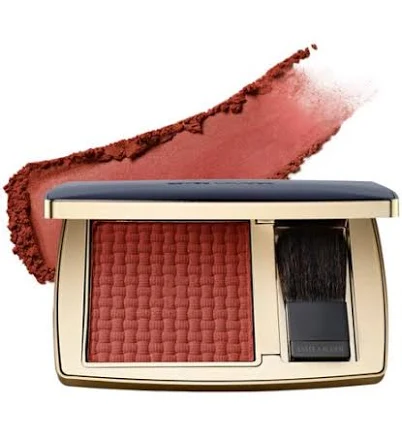
Estee Lauder The Sculpting Blush Powder
Low-Medium risk. Powder blush has no inherent reason for PFAS, but lack of transparency is a minor flag.
Estée Lauder doesn't disclose PFAS presence or absence. Pressed powder cosmetics have no functional reason to contain PFAS since they lack water-resistance or nonstick claims.
We flunk more products than we pass. This one earned its grade. How we grade
Material
Powder blend (talc or talc-alternative, pigments, binders)
Lab data
No public lab test
You may also be interested in
Top-graded picks in the categories readers replace first, every one scored on the same rubric.

- polypropylene filter housing, carbon/sediment cartridge
- We found no PFAS statement from the brand
- Bacterial growth in spent cartridges
3 hazards checked on this product, all on its full breakdown.

Aquasure
Premier Series 75 GPD Under Sink Reverse Osmosis Water Filtration System
- RO membrane, carbon filters, stainless steel housing
- We found no PFAS statement from the brand
- Bacterial and microbial growth in housing and filters
4 hazards checked on this product, all on its full breakdown.

Avocado
Vegan Mattress
- organic cotton, natural latex, coconut coir, recycled steel coils
- The brand calls it PFAS-free, which we have not verified
- Heavy metals
2 hazards checked on this product, all on its full breakdown.
What Estee Lauder The Sculpting Blush Powder is made of, ingredients and materials
The Sculpting Blush Powder is a talc or talc-alternative base blended with iron oxides, mica, and synthetic binders typical of pressed powder cosmetics. Talc itself remains contentious (potential asbestos contamination risk, though talc mining has improved), but Estée Lauder products have not been flagged in major talc contamination recalls. The powder formulation means minimal skin penetration and no heating-related leaching of polymers or additives, reducing most chemical migration risks compared to liquid or cream formulas.
What’s concerning
Category baseline
The starting point for this type of product, before anything specific to this product is counted.
No PFAS disclosure
No public statement from the brand about PFAS in this product.
Talc and asbestos contamination
Talc mining historically carried asbestos contamination risk. Estée Lauder products have not been subject to major recalls on this basis, but talc source and processing transparency is not publicly detailed. Risk is low for modern cosmetic-grade talc but non-zero.
Fragrance allergens and undisclosed components
If this blush contains fragrance (common in Estée Lauder products), undisclosed fragrance allergens could trigger contact dermatitis in sensitive individuals. Exact fragrance composition is proprietary and not itemized on labels.
Inhalation risk from powder aerosol
Repeated inhalation of talc or mica powder during application can irritate respiratory tissues in sensitive users or those with existing lung conditions. This is a usage hazard rather than a formulation defect but warrants ventilation during application.
What’s reassuring
Base material not linked to PFAS
The main material recorded for this product is not one associated with PFAS.
Heavy metals
Iron oxide and mica pigments are FDA-approved for cosmetic use and rarely contaminated with lead or cadmium in reputable brands. No recalls or violations recorded for Estée Lauder blush pigments.
Source, FDA ↗Formaldehyde / VOCs
Powder cosmetics require minimal water-based preservatives, reducing reliance on formaldehyde releasers like imidazolidinyl urea. Estée Lauder does not list such agents in publicly available ingredient disclosures for this line.
Source, ATSDR ↗How is this PFAS grade calculated?
The brand's record and disclosure
Estée Lauder is part of The Estée Lauder Companies, which publishes annual sustainability and safety reports and complies with FDA and EU cosmetic regulations. The brand does not publicly disclose PFAS testing or avoidance (silent stance), but this silence is less concerning for powder blush than for water-resistant or long-wear products. No major safety recalls, heavy-metal pigment violations, or formaldehyde-releaser flags are on record for this specific product line.
How it compares in its category
Powder blush is inherently lower-risk than cream or liquid blushes because powders avoid water-based preservative systems and volatile emulsifiers. The Sculpting Blush sits in the mainstream-premium segment; compared to drugstore alternatives, it likely uses higher-grade pigments and mica with better QC, and compared to indie/natural brands, it has more regulatory oversight but less transparency. No major safety advantage or disadvantage versus competitors like MAC, Bobbi Brown, or NARS in this category.
If you buy it
Store in a cool, dry place away from humidity to prevent cake hardening and microbial growth in the compact. Do not inhale powder directly during application; use a brush and apply in a ventilated area. Replace every 2-3 years or if color, texture, or smell changes. Discontinue use if rash or irritation develops; talc sensitivity is rare but documented in some individuals.
What is not known about PFAS in this product?
- Basis
- Model estimate, 72% confidence, not a lab result
- Lab test
- None on record for this exact product
- Brand statement
- Estée Lauder has made a specific claim
Formulations change between production runs, so check the current label. How we grade.
What are the PFAS-free alternatives to Estee Lauder The Sculpting Blush Powder?
- pigments, waxes, oils in stick form
- We found no PFAS statement from the brand
- Fragrance allergens and sensitizers
2 hazards checked on this product, all on its full breakdown.
- water, glycerin, pigments, polymers
- We found no PFAS statement from the brand
- Lead
4 hazards checked on this product, all on its full breakdown.
- liquid pigments, water, glycerin, polymeric film-formers
- We found no PFAS statement from the brand
- Fragrance allergens
3 hazards checked on this product, all on its full breakdown.
More blush grades
How we score, every product runs through the same public 0-100 rubric based on materials, coatings, brand disclosure, lab findings, and recalls. See the full methodology → Spotted a mistake? Report an error.