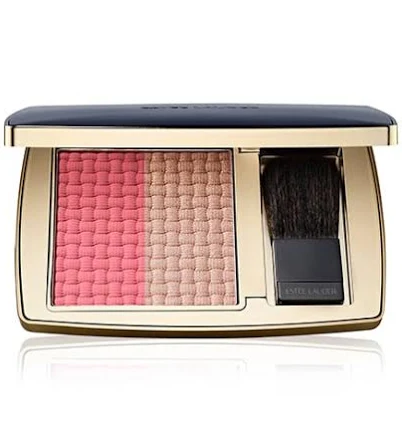
Estée Lauder The Sculpting Blush Duo
Low-Medium risk. Conventional pressed powder blush has no known risk drivers.
The Sculpting Blush Duo is a pressed powder with no disclosed PFAS-related ingredients or waterproof claims. Pressed powders aren't a known PFAS contamination category.
We flunk more products than we pass. This one earned its grade. How we grade
Material
Pressed powder blush, pigments & binders
Lab data
No public lab test
You may also be interested in
Top-graded picks in the categories readers replace first, every one scored on the same rubric.

- polypropylene filter housing, carbon/sediment cartridge
- We found no PFAS statement from the brand
- Bacterial growth in spent cartridges
3 hazards checked on this product, all on its full breakdown.

Aquasure
Premier Series 75 GPD Under Sink Reverse Osmosis Water Filtration System
- RO membrane, carbon filters, stainless steel housing
- We found no PFAS statement from the brand
- Bacterial and microbial growth in housing and filters
4 hazards checked on this product, all on its full breakdown.

Avocado
Vegan Mattress
- organic cotton, natural latex, coconut coir, recycled steel coils
- The brand calls it PFAS-free, which we have not verified
- Heavy metals
2 hazards checked on this product, all on its full breakdown.
What Estée Lauder The Sculpting Blush Duo is made of, ingredients and materials
Estée Lauder's Sculpting Blush Duo is a pressed powder formulation combining talc or silica-based binders with iron oxides, mica, and synthetic colorants typical of luxury powder cosmetics. Pressed powders are inherently lower-risk than liquid or cream formulations because they avoid moisture-dependent preservatives and emulsifiers that can harbor contaminants. The pigment load in pressed blush is modest and largely inorganic, reducing exposure to problematic synthetic dyes or heavy metal concentrations.
What’s concerning
Category baseline
The starting point for this type of product, before anything specific to this product is counted.
No PFAS disclosure
No public statement from the brand about PFAS in this product.
Talc contamination (asbestos risk)
Talc suppliers occasionally contain asbestos fibers if sourced from geologically adjacent deposits. Estée Lauder does not publicly disclose talc source or asbestos screening for this product. FDA does not require pre-market talc purity testing for cosmetics, so risk is not eliminated by regulatory mandate.
Fragrance allergens and undisclosed fragrance components
The Sculpting Blush Duo may contain fragrance; ingredient lists do not break down fragrance components. Individuals with fragrance sensitivity or contact dermatitis risk should patch test or request full fragrance disclosure from brand customer service.
What’s reassuring
Base material not linked to PFAS
The main material recorded for this product is not one associated with PFAS.
Lead
Iron oxides and FDA-approved synthetic colorants (FD&C and D&C dyes) used in mainstream blush carry minimal heavy metal load under current regulations. No recalls or test reports documenting elevated lead or cadmium in Estée Lauder blush products are on record.
Source, ATSDR ↗Mica contamination (crystalline silica, trace metals)
Mica in cosmetic-grade powder is typically processed to remove respirable crystalline silica and is applied topically (not inhaled in normal use). No established safety concern for pressed blush formulations using mica as a binder.
Formaldehyde / VOCs
Pressed powders require minimal preservation. Estée Lauder does not appear to use formaldehyde releasers (like DMDM hydantoin) in this product line based on standard industry formulation; no evidence of their use is publicly available.
Source, ATSDR ↗How is this PFAS grade calculated?
The brand's record and disclosure
Estée Lauder operates under Estée Lauder Companies Inc., which complies with FDA cosmetic ingredient regulations and EU cosmetic directives in its markets. The brand does not publicly market talc-free or heavy-metal-tested claims for this product, and maintains silent stance on PFAS, typical of legacy prestige cosmetics that have not adopted transparency initiatives. No major recalls or formal safety complaints are on record for this specific blush line; the brand's standard practice includes supplier audits but detailed ingredient sourcing is not publicly disclosed.
How it compares in its category
Pressed powder blushes are associated with lower concern regarding emulsion stability challenges and preserve-system risks compared to other cosmetic formats. Estée Lauder's formulation sits squarely in the mainstream luxury category, with ingredient profiles comparable to brands like Charlotte Tilbury, MAC, and Bobbi Brown. Indie and clean brands often advertise talc-free or third-party tested variants, but chemical safety profiles between mainstream and premium indie blushes are not meaningfully different for this product type.
If you buy it
Store in a cool, dry place away from direct sunlight to prevent powder caking or pigment degradation. Use a clean brush and avoid wet application, which can introduce bacteria or promote moisture-related breakdown. Replace if the powder becomes compacted or shows discoloration (sign of oxidation or mold). No special handling is required; standard cosmetic hygiene (replacing every 12-18 months, not sharing) applies.
What is not known about PFAS in this product?
- Basis
- Model estimate, 72% confidence, not a lab result
- Lab test
- None on record for this exact product
- Brand statement
- Estée Lauder has made a specific claim
Formulations change between production runs, so check the current label. How we grade.
What are the PFAS-free alternatives to Estée Lauder The Sculpting Blush Duo?
- pigments, waxes, oils in stick form
- We found no PFAS statement from the brand
- Fragrance allergens and sensitizers
2 hazards checked on this product, all on its full breakdown.
- water, glycerin, pigments, polymers
- We found no PFAS statement from the brand
- Lead
4 hazards checked on this product, all on its full breakdown.
- liquid pigments, water, glycerin, polymeric film-formers
- We found no PFAS statement from the brand
- Fragrance allergens
3 hazards checked on this product, all on its full breakdown.
More blush grades
How we score, every product runs through the same public 0-100 rubric based on materials, coatings, brand disclosure, lab findings, and recalls. See the full methodology → Spotted a mistake? Report an error.