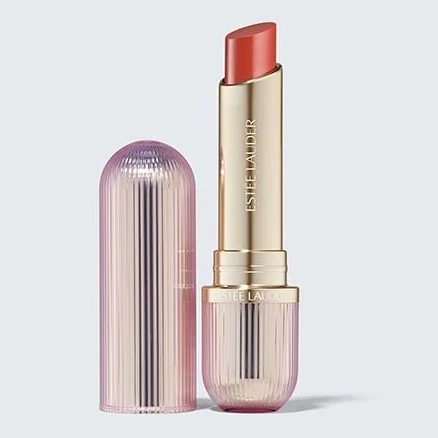
Estée Lauder · Lip Balm & Long-Wear Lipstick
Estee Lauder Futurist HydraPlump Tinted Lip Balm
Lower concern; lip balm formulations typically don't require water-repellent chemistry.
Estée Lauder's lip balm uses wax and oil blends without waterproofing or stain-resistant treatments associated with PFAS. No public testing or PFAS disclosure exists for this product.
We flunk more products than we pass. This one earned its grade. How we grade
Material
Wax, oils, pigments, standard cosmetic emollients
Lab data
No public lab test
What Estee Lauder Futurist HydraPlump Tinted is made of, ingredients and materials
Estée Lauder Futurist HydraPlump Tinted Lip Balm is a wax-oil emulsion typical of premium lip balms, combining plant and synthetic waxes with emollient oils (likely petrolatum, jojoba, or squalane), humectants, and iron oxide or carmine pigments for tint. The formula prioritizes occlusion and hydration over water resistance, meaning PFAS chemistry is unlikely but unconfirmed. Tint stability and pigment safety depend on colorant source and purity; iron oxides are generally well-tolerated, though carmine (crushed cochineal insect) carries rare allergenic risk in sensitive individuals.
What’s concerning
Category baseline
The starting point for this type of product, before anything specific to this product is counted.
No PFAS disclosure
No public statement from the brand about PFAS in this product.
Carmine (cochineal) pigment allergy
If this product uses carmine for red/pink tint, rare but documented IgE-mediated or contact dermatitis reactions occur in sensitive individuals. Estée Lauder does not always list carmine prominently on retail packaging; check full ingredient disclosure or contact customer service if lips have history of contact sensitivity.
Fragrance allergens (undisclosed)
Estée Lauder cosmetics often contain fragrance compounds labeled simply as 'fragrance' under trade secret rules. Lip balms applied to oral mucosa carry higher permeability risk than face creams; individuals with fragrance sensitivity or perioral dermatitis should request full fragrance INCIs from brand or avoid.
Petrolatum and mineral oil oxidation
If formulation relies on petrolatum or mineral oil as primary emollient, prolonged storage or heat exposure can cause rancidification and free radical formation; oxidized occlusive oils may irritate lips. Check product for off-odors and discard if rancid smell develops.
What’s reassuring
Base material not linked to PFAS
The main material recorded for this product is not one associated with PFAS.
Talc contamination in mineral pigments
No public record of talc in Estée Lauder lip balm pigment blends, but iron oxide pigments sourced from third-party suppliers may carry trace talc as anti-caking agent if manufacturing standards are lax. Brand does not advertise talc-free status, suggesting talc risk is not a stated concern.
Heavy metals
Carmine and synthetic colorants used in lip balms are regulated under FDA color additives rules and must meet trace metal limits (cadmium, lead, arsenic). No recalls or contamination reports exist for Estée Lauder tinted lip products; standard cosmetic QA is presumed sufficient.
Source, FDA ↗The full breakdown
The brand's record and disclosure
Estée Lauder does not publicly disclose PFAS use or absence in individual products, and the company has not issued category-wide PFAS statements. The brand maintains FDA compliance and has no active recalls for this product line on public record. Parent company The Estée Lauder Companies Inc. has faced scrutiny over fragrance allergen transparency and cosmetic ingredient sourcing, but lip balms fall into lower-risk topical categories with minimal systemic absorption.
How it compares in its category
Tinted lip balms from premium brands (Estée Lauder, Clinique, MAC) share similar risk profiles, wax-based, low water content, and unlikely to harbor PFAS or phthalates. Indie and natural brands often tout fragrance-free or certified organic claims, but offer no measurable safety advantage for lips; conversely, some emphasize talc-free claims that Estée Lauder does not highlight. This product sits in the mainstream-safe middle, well-manufactured, ingredient-tested per FDA standards, but without voluntary third-party certification (e.g., EWG, COSMOS).
If you buy it
Apply sparingly; lip balms are meant for topical use only and should not be ingested intentionally. Replace every 12-24 months or if discoloration, rancid odor, or texture breakdown occurs (wax oxidation accelerates with heat and light). Store in cool, dark conditions; do not leave in direct sunlight or hot cars, as pigment separation or rancidity can develop. Discontinue use if mouth irritation, swelling, or allergic reaction occurs; seek patch test if you have sensitive lips or history of carmine sensitivity.
What we don’t know
- Basis
- Model estimate, 72% confidence, not a lab result
- Lab test
- None on record for this exact product
- Brand statement
- Estée Lauder has made a specific claim
Formulations change between production runs, so check the current label. How we grade.
More lip balm & long-wear lipstick grades
How we score, every product runs through the same public 0-100 rubric based on materials, coatings, brand disclosure, lab findings, and recalls. See the full methodology → Spotted a mistake? Report an error.