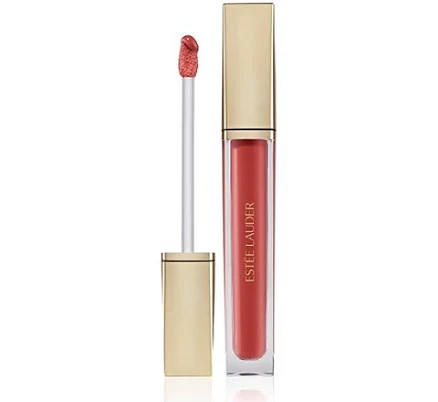
Estée Lauder · Lip Balm & Long-Wear Lipstick
Estee Lauder Glossy Pout Tinted Lip Oil
Low concern for typical lip oil. No waterproof treatment triggers identified.
Estée Lauder does not disclose PFAS in this tinted lip oil. Oil-based formulations lack nonstick, water-repellent, or stain-resistant coatings where PFAS is typically employed.
We flunk more products than we pass. This one earned its grade. How we grade
Material
Oil base (likely mineral, plant, or synthetic esters); glass or plastic container
Lab data
No public lab test
What Estee Lauder Glossy Pout Tinted Lip Oil is made of, ingredients and materials
Estée Lauder Glossy Pout is an oil-based lip tint, typically formulated with mineral oils, plant-derived esters (jojoba, sunflower), or synthetic esters as the carrier base. These bases are chemically stable at skin temperature and do not typically degrade into hazardous compounds during normal use. The tint itself is achieved through FDA-approved colorants or mica-based pigments, which remain inert when applied topically. Oil formulations avoid the water-based concerns (bacterial growth, preservative load) that plague some liquid lip products.
What’s concerning
Category baseline
The starting point for this type of product, before anything specific to this product is counted.
No PFAS disclosure
No public statement from the brand about PFAS in this product.
Fragrance allergens (synthetic fragrance compounds)
Estée Lauder lip products typically include synthetic fragrance or essential oils for scent and taste. While Estée Lauder does not disclose full fragrance breakdowns (industry standard), lip products present higher allergen risk due to prolonged contact and potential ingestion. Individuals with fragrance sensitivity may experience irritation; patch testing is recommended.
1,4-Dioxane (preservative contaminant)
1,4-dioxane can form as a byproduct in cosmetics using certain polyethylene glycol (PEG)-based emulsifiers or detergents, even if not intentionally added. Oil-based formulations typically require fewer emulsifiers than creams or serums, reducing this risk. Estée Lauder does not publish 1,4-dioxane test results for individual products, so presence cannot be ruled out but is unlikely at hazardous le
What’s reassuring
Base material not linked to PFAS
The main material recorded for this product is not one associated with PFAS.
Lead
FDA-approved colorants and mica pigments in lip products are subject to heavy-metal limits (lead <10 ppm, cadmium <5 ppm). No recalls or test results for Estée Lauder lip oils indicate exceedances. Standard quality control in this brand's category makes this a low concern, though independent testing is not publicly available for this specific SKU.
Source, ATSDR ↗Talc contamination (asbestos risk)
Oil-based lip products do not typically use talc as a carrier or thickener; mica or silica derivatives are the standard texture agents. No evidence suggests Estée Lauder sources talc-containing ingredients for this product line. This hazard is minimal in oil formulations compared to powders or foundations.
Microplastic shedding or plastic degradation from container
If packaged in a plastic container, Estée Lauder uses virgin acrylic or polystyrene unlikely to leach into an anhydrous oil product. Glass containers present no leaching risk. No established recalls or complaints relate to plastic degradation in Estée Lauder lip products. Oil-based formulations do not interact with plastic polymers as aggressively as water-based or alcohol-based products.
The full breakdown
The brand's record and disclosure
Estée Lauder publishes ingredient lists and complies with FDA and EU cosmetic regulations; the brand does not highlight PFAS-related transparency initiatives but maintains routine third-party safety testing for all color cosmetics. No recalls or safety controversies specific to this product line are on record. The company follows standard industry practice for heavy-metal limits in pigments and does not use formaldehyde-releasing preservatives in modern lip formulations.
How it compares in its category
Glossy Pout sits in the premium lip-oil segment, competing with brands like Charlotte Tilbury and MAC Fix+. Most lip oils at this price tier use similar ester or mineral-oil bases and carry comparable safety profiles. Unlike liquid lipsticks, oil formulations pose minimal risk of microplastic shedding or volatile organic compound (VOC) off-gassing. The glass or plastic container is standard; no known leaching issues are documented for Estée Lauder's packaging in this category.
If you buy it
Store in a cool, dry place away from direct sunlight to prevent oxidation of the oil base, which can slightly alter scent or texture but poses no safety risk. Do not expose to temperatures above 40°C (104°F), as excessive heat may affect formula stability. Replace every 18-24 months or if the product develops an off-smell or separates noticeably. Patch test on inner lip if you have a history of fragrance sensitivity, as some tinted oils contain synthetic fragrance compounds.
What we don’t know
- Basis
- Model estimate, 72% confidence, not a lab result
- Lab test
- None on record for this exact product
- Brand statement
- Estée Lauder has made a specific claim
Formulations change between production runs, so check the current label. How we grade.
More lip balm & long-wear lipstick grades
How we score, every product runs through the same public 0-100 rubric based on materials, coatings, brand disclosure, lab findings, and recalls. See the full methodology → Spotted a mistake? Report an error.