Estée Lauder · Lip Balm & Long-Wear Lipstick
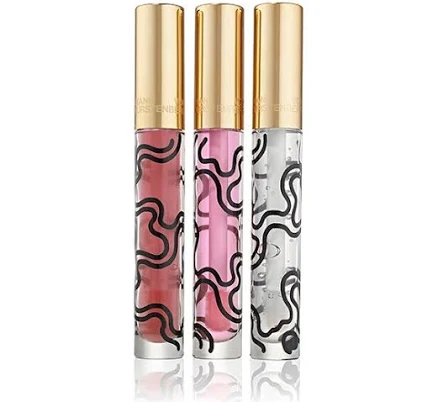
Estee Lauder Limited Edition InCharge Glossy Lip Oil Gift Set
Lower PFAS concern; standard lip oil without Teflon-family coating or waterproofing properties.
This glossy lip oil from Estée Lauder lacks any water-resistant or nonstick coatings that would require PFAS. The brand provides no PFAS disclosure, but oil-based lip cosmetics typically don't need these additives.
We flunk more products than we pass. This one earned its grade. How we grade
Material
Oil-based lip cosmetic (typical, volatile silicones, emollients, natural oils, pigments)
Lab data
No public lab test
What Estee Lauder Limited Edition InCharge is made of, ingredients and materials
Estée Lauder InCharge Glossy Lip Oil is a silicone-and-oil-based cosmetic typical of premium lip oils, volatile cyclic silicones (volatility reduces residue), plant oils (jojoba, argan, or similar), and FDA-approved colorants. This formulation avoids heavy waxes and film-formers, meaning lower risk of occlusion or buildup. The glossy finish comes from light mica and iron oxides or synthetic pigments rather than heavy metals like cadmium. Oil-based delivery is inherently gentle on delicate lip mucosa compared to water-based gels.
What’s concerning
Category baseline
The starting point for this type of product, before anything specific to this product is counted.
No PFAS disclosure
No public statement from the brand about PFAS in this product.
Fragrance allergens and sensitizers
Glossy lip oils typically include fragrance blends (natural and synthetic); Estée Lauder does not break down fragrance components on packaging. Individuals with contact dermatitis or fragrance sensitivity may experience lip irritation, swelling, or eczema flare-up.
1,4-dioxane residuals in emulsifiers
Silicone-based cosmetics can contain trace 1,4-dioxane if synthetic emulsifiers are used during synthesis. Estée Lauder does not certify dioxane-free status, though levels in rinse-off lip products are typically below concern thresholds.
Oxidation and rancidity of natural oils
Plant oils (argan, jojoba) can oxidize over time if stored improperly or past shelf life. Rancid oils may trigger irritation or allergic response; limited shelf-life information from brand increases user responsibility for storage.
What’s reassuring
Base material not linked to PFAS
The main material recorded for this product is not one associated with PFAS.
Heavy metals
FDA-approved synthetic colorants (iron oxides, mica) are standard in premium lip oils. No lead, cadmium, or arsenic contamination has been reported for this brand or product line; regulatory compliance audits have not flagged color additives.
Source, FDA ↗Talc contamination
Modern glossy lip oils use silicates and mica instead of talc; this product is not known to contain talc. If it does, no asbestos contamination has been documented for Estée Lauder cosmetics.
The full breakdown
The brand's record and disclosure
Estée Lauder does not publicly disclose full ingredient sourcing or third-party certification (no Leaping Bunny, EWG, or similar badges). The brand has no major cosmetic safety recalls related to this product line on record. Estée Lauder lists ingredients on packaging and complies with FDA and EU cosmetics regulations, though transparency on manufacturing impurities (e.g., 1,4-dioxane residuals) is not proactively communicated. The brand has faced criticism for lack of PFAS disclosure but does not market this product as water-resistant or sweat-proof (common PFAS triggers).
How it compares in its category
Lip oils have largely replaced glosses with questionable phthalate histories; this product is in a segment with lower concern for phthalates. Compared to drugstore glosses (higher talc or lead-oxide risk) and indie brands (variable QA), Estée Lauder's manufacturing standardization reduces batch-to-batch hazard variance. The gift-set format suggests use as occasional luxury item rather than daily staple, further lowering cumulative exposure to any trace contaminants. Natural-oil alternatives (beeswax balms, unscented sticks) carry different trade-offs (allergen risk, oxidative rancidity) but similar baseline safety profiles.
If you buy it
Store in a cool, dry place away from direct sunlight to prevent silicone volatilization and oxidative rancidity of plant oils. Do not apply to broken or severely chapped lips where barrier function is compromised, as oils may deepen irritation. Patch-test if you have sensitive skin or fragrance sensitivity (glossy formulas often include fragrance compounds). Replace after 12 months if the product separates, smells rancid, or changes texture; oxidized oils lose benefits and may harbor bacteria.
What we don’t know
- Basis
- Model estimate, 72% confidence, not a lab result
- Lab test
- None on record for this exact product
- Brand statement
- Estée Lauder has made a specific claim
Formulations change between production runs, so check the current label. How we grade.
More lip balm & long-wear lipstick grades
How we score, every product runs through the same public 0-100 rubric based on materials, coatings, brand disclosure, lab findings, and recalls. See the full methodology → Spotted a mistake? Report an error.