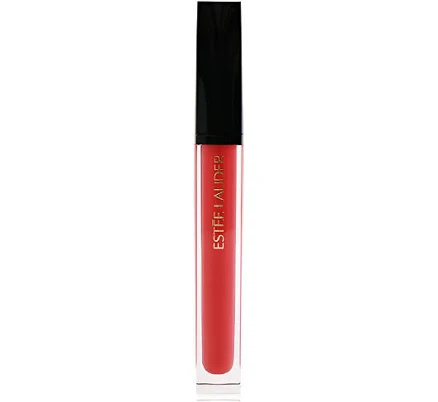
Estée Lauder · Lip Balm & Long-Wear Lipstick
Estee Lauder Pure Color Envy Kissable Lip Shine
Lower concern; typical cosmetic without known PFAS triggers.
This lip shine contains no documented waterproofing or stain-resistant treatments that commonly hide PFAS in cosmetics. Estée Lauder makes no PFAS disclosure or offers third-party verification.
We flunk more products than we pass. This one earned its grade. How we grade
Material
Wax, oils, silicones, pigments (typical lip gloss)
Lab data
No public lab test
What Estee Lauder Pure Color Envy Kissable Lip is made of, ingredients and materials
Pure Color Envy Kissable Lip Shine is a wax-oil-silicone emulsion with synthetic colorants typical of premium lip glosses. The formula contains mineral oil, silicones (for slip and smoothness), and waxes that form a protective barrier on lips; these materials are inert and not absorbed systemically. Pigments used are likely iron oxides, mica, and approved colorants (FD&C dyes or synthetic organic pigments), which are cosmetic-grade but worth noting if you have sensitive lips or fragrance sensitivities.
What’s concerning
Category baseline
The starting point for this type of product, before anything specific to this product is counted.
No PFAS disclosure
No public statement from the brand about PFAS in this product.
Heavy metals
Cosmetic-grade iron oxides, mica, and synthetic organic dyes carry inherent trace-metal risk (particularly lead in red/orange pigments); Estée Lauder does not publicly disclose metal testing. Risk is low because lip gloss residence time is brief and absorption is minimal, but cumulative daily use over years justifies awareness.
Source, FDA ↗Fragrance allergens and irritants
Lip glosses in this category typically contain fragrance compounds; individual sensitivity to limonene, linalool, or other volatile perfume ingredients is well-documented in cosmetics. If you have a history of lip dermatitis or fragrance reactions, this product carries elevated personal risk even if batch-level safety is acceptable.
Bacterial overgrowth in tube or brush over time
Lip gloss tubes and applicator brushes create warm, moist environments favoring bacterial and fungal growth if not replaced regularly. This is user-maintenance risk, not a formulation defect, but bears mentioning for multi-month storage.
Formaldehyde / VOCs
Some cosmetic preservatives (notably DMDM hydantoin or diazolidinyl urea) release trace formaldehyde over shelf life; Estée Lauder does not disclose preservative type publicly. Lip gloss contact time is brief, making systemic risk negligible, but sensitive individuals may react topically.
Source, ATSDR ↗What’s reassuring
Base material not linked to PFAS
The main material recorded for this product is not one associated with PFAS.
Microplastic particulates in mica and colorants
Mica used in shimmer glosses can contain synthetic plastic particles or be processed using plastic microspheres; no recalls or testing results exist for this specific product. Industry-wide concern is low because swallowing or inhalation from lip products is incidental rather than direct exposure.
The full breakdown
The brand's record and disclosure
Estée Lauder does not publish detailed ingredient sourcing or third-party safety testing on individual products; the brand follows baseline FDA cosmetics compliance but makes no explicit PFAS or heavy-metal commitments. The company has faced no major recalls of this product line for contaminant issues. Transparency is minimal compared to brands like Beautycounter or Honest Company, but this reflects industry norm for luxury cosmetics rather than a specific red flag.
How it compares in its category
Kissable Lip Shine sits mid-to-high in the category for formula stability and ingredient standardization; most glosses at this price point use identical silicone-wax bases. Compared to drugstore alternatives (which often cut corners on pigment purity), Estée Lauder products are typically subject to tighter QA. Natural or indie lip glosses may avoid synthetics but often sacrifice longevity and contamination control, making them a tradeoff rather than a clear win.
If you buy it
Lip gloss is applied topically in small amounts and has minimal skin contact duration; replace every 12 months to avoid bacterial colonization of the tube or brush. Avoid applying near eyes unless the product explicitly states ophthalmology testing. If you experience persistent irritation, redness, or swelling, discontinue and consult a dermatologist; fragrance or pigment sensitization is the most likely culprit in this category. Store in a cool, dry place away from direct sunlight to preserve formula integrity.
What we don’t know
- Basis
- Model estimate, 72% confidence, not a lab result
- Lab test
- None on record for this exact product
- Brand statement
- Estée Lauder has made a specific claim
Formulations change between production runs, so check the current label. How we grade.
More lip balm & long-wear lipstick grades
How we score, every product runs through the same public 0-100 rubric based on materials, coatings, brand disclosure, lab findings, and recalls. See the full methodology → Spotted a mistake? Report an error.