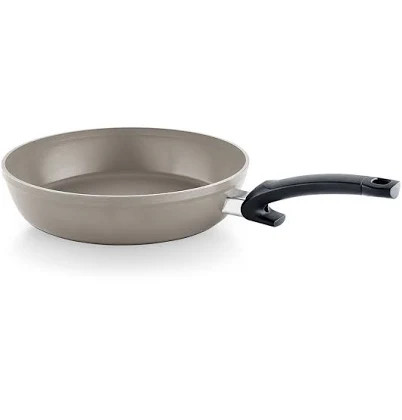
Fissler Ceratal Comfort Ceramic Frying Pan, Is It Non-Toxic?
Ceramic non-stick coating of unstated chemistry, and no PFAS statement from the brand.
This ceramic pan from Fissler's Ceratal line poses lower PFAS concern because ceramic coatings don't typically contain PFAS. Fissler provides no public confirmation.
The better-graded swap
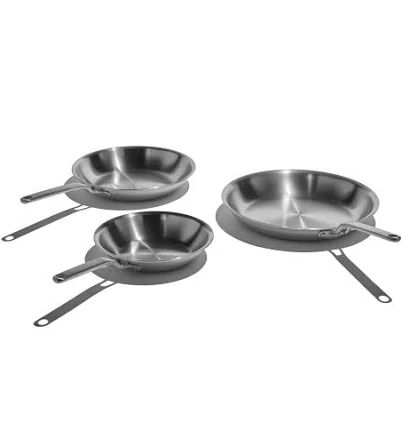
Heritage Steel
Eater x Heritage Steel 3 Piece Fry Pan Set
100/100 safety
Same rubric that flunked this product. The swap earned Excellent.
Still want this one anyway? Check the price on Amazon. We’d swap it.
Material
ceramic coating (non-stick)
Brand disclosure
Brand is silent on PFAS
Lab data
No public lab test
You may also be interested in
Top-graded picks in the categories readers replace first, every one scored on the same rubric.

- polypropylene filter housing, carbon/sediment cartridge
- We found no PFAS statement from the brand
- Bacterial growth in spent cartridges
3 hazards checked on this product, all on its full breakdown.

Aquasure
Premier Series 75 GPD Under Sink Reverse Osmosis Water Filtration System
- RO membrane, carbon filters, stainless steel housing
- We found no PFAS statement from the brand
- Bacterial and microbial growth in housing and filters
4 hazards checked on this product, all on its full breakdown.

Avocado
Vegan Mattress
- organic cotton, natural latex, coconut coir, recycled steel coils
- The brand calls it PFAS-free, which we have not verified
- Heavy metals
2 hazards checked on this product, all on its full breakdown.
Is Fissler Ceratal Comfort Ceramic Frying Pan non-toxic? What it is made of
The Fissler Ceratal Comfort uses a ceramic-based non-stick coating applied over a metal base (typically aluminum or steel). Ceramic coatings marketed as non-stick typically consist of silica compounds and mineral-based polymers, which differ from Teflon-type coating (Teflon) but require verification of exact formulation from the manufacturer. Fissler has not publicly disclosed the complete chemistry of this coating, leaving uncertainty about additives, bonding agents, or potential PFAS-containing components beneath the marketed "ceramic" label.
What’s concerning
Non-stick, chemistry undisclosed
Marketed as non-stick without stating the coating chemistry.
Category baseline
The starting point for this type of product, before anything specific to this product is counted.
No PFAS disclosure
No public statement from the brand about PFAS in this product.
Coating degradation and leaching from base metal
As ceramic coatings wear with use, the underlying aluminum or steel base may contact food. If the base is uncoated aluminum, long-term leaching of aluminum into acidic foods is possible; this is a known behavior of aluminum cookware when protective layers degrade.
Thermal decomposition volatiles from coating
Ceramic coatings can release volatile organic compounds or other volatiles when exposed to temperatures significantly above normal cooking range. No test data is available for this specific product, but thermal stress on undisclosed coating chemistry presents a low-probability but unquantified risk.
Microcracking and spalling of ceramic coating
Ceramic non-stick coatings are mechanically more brittle than Teflon-type coating and prone to chipping or peeling, especially under thermal shock (rapid heating/cooling). While not unique to Fissler, this material weakness means the pan's safety profile deteriorates with age as coating integrity is lost.
PFAS
The brand's complete silence on PFAS and refusal to disclose coating chemistry is a red flag in non-stick cookware. While marketed as ceramic, binding or processing agents may contain per- or polyfluorinated compounds; this cannot be ruled out without independent testing.
Source, ATSDR ↗What’s reassuring
Lead
No recalls or reports of lead or cadmium contamination in Fissler Ceratal ceramic cookware have been published. Modern EU manufacturing standards are strict, but the brand's silence on testing precludes absolute assurance.
Source, ATSDR ↗How is this PFAS grade calculated?
The brand's record and disclosure
Fissler is an established German cookware manufacturer with a reputation for quality engineering, but the brand has not issued public statements clarifying PFAS status in their ceramic lines or provided independent third-party test results for this specific product. The term "ceramic" alone does not guarantee PFAS-free status in non-stick applications. Absence of transparency on coating chemistry is a significant gap given industry-wide scrutiny of non-stick cookware formulations.
How it compares in its category
Ceramic non-stick pans occupy a middle ground, they avoid legacy Teflon-type coating concerns but carry less regulatory clarity than stainless steel alternatives. Many ceramic-coated brands also remain silent on PFAS, making this a category-wide disclosure weakness rather than a Fissler-unique issue. Stainless steel cookware with no non-stick coating eliminates this uncertainty entirely, though ceramic coatings offer easier food release and faster heating than bare metal.
If you buy it
Use only wooden, silicone, or plastic utensils to avoid scratching the ceramic coating; metal utensils accelerate wear and increase leaching risk from any underlying layers. Keep heat at medium or below; ceramic coatings can degrade faster at high temperatures and may release volatiles if overheated. Inspect the coating regularly for chips, peeling, or discoloration; once compromised, replace or retire the pan. Hand-wash rather than dishwashing when possible, as harsh detergents and abrasion can weaken the coating over time.
What is not known about PFAS in this product?
- Basis
- Model estimate, 72% confidence, not a lab result
- Lab test
- None on record for this exact product
- Brand statement
- Fissler has made none
Formulations change between production runs, so check the current label. How we grade.
What are the PFAS-free alternatives to Fissler Ceratal Comfort Ceramic Frying Pan?
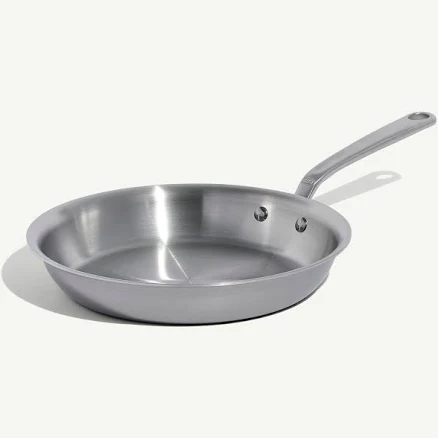
- Stainless steel clad construction, no nonstick coating
- The brand calls it PFAS-free, which we have not verified
- Clad separation or delamination over time
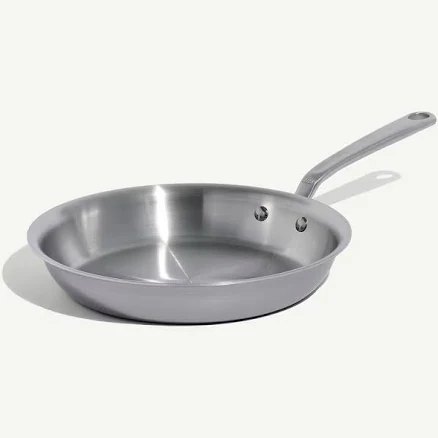
- stainless steel clad construction, no nonstick coating
- The brand calls it PFAS-free, which we have not verified
- Nickel leaching from stainless steel
3 hazards checked on this product, all on its full breakdown.
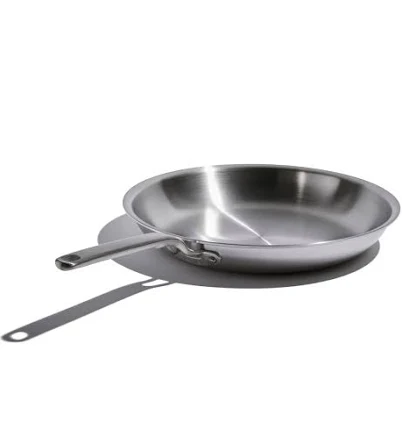
- Clad stainless steel, no coating
- The brand calls it PFAS-free, which we have not verified
- Metal ion release during cooking (iron, nickel, chromium)
More cookware grades
How we score, every product runs through the same public 0-100 rubric based on materials, coatings, brand disclosure, lab findings, and recalls. See the full methodology → Spotted a mistake? Report an error.