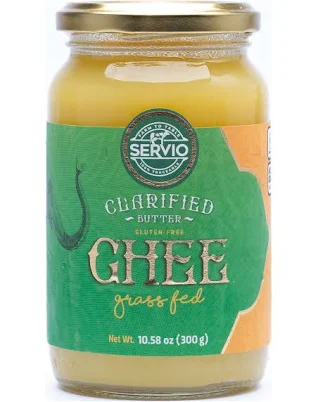
Ghee · Cast Iron Cookware Seasoning & Oil
Servio Grass Fed Traditional Ghee Butter Oil
Grass-fed ghee butter oil has lower concern for PFAS based on material type.
The material as recorded is grass-fed ghee butter oil, a clarified fat not linked to PFAS. No water-repellent finish or coating on record. The brand has no PFAS statement on record.
The better-graded swap
Crisbee
Stik Cast Iron Seasoning
85/100 safety
Same rubric that flunked this product. The swap earned Excellent.
Still want this one anyway? Check the price on Amazon. We’d swap it.
Material
Grass-fed ghee butter oil, clarified fat
Brand disclosure
Brand is silent on PFAS
Lab data
No public lab test
You may also be interested in
Top-graded picks in the categories readers replace first, every one scored on the same rubric.

Aqua Pure
3M Aqua-Pure AP802B Whole House Filter Housing
- polypropylene filter housing, carbon/sediment cartridge
- We found no PFAS statement from the brand
- Bacterial growth in spent cartridges
3 hazards checked on this product. See all of them.

Aquasure
Premier Series 75 GPD Under Sink Reverse Osmosis Water Filtration System
- RO membrane, carbon filters, stainless steel housing
- We found no PFAS statement from the brand
- Bacterial and microbial growth in housing and filters
4 hazards checked on this product. See all of them.

Avocado
Vegan Mattress
- organic cotton, natural latex, coconut coir, recycled steel coils
- The brand calls it PFAS-free, which we have not verified
- Heavy metals
2 hazards checked on this product. See all of them.
What Servio Grass Fed Traditional Ghee Butter is made of, ingredients and materials
Servio Grass Fed Traditional Ghee is clarified butter fat with milk solids and water removed through slow heating and straining. This rendering process eliminates the primary concerns that apply to whole butter or cream (lactose, casein proteins) and creates a stable, shelf-stable fat. As a pure fat product with no ceramic coating, enamel, or non-stick surface, it avoids the leaching and degradation hazards typical of cookware; it is itself a cooking medium, not a vessel or coating.
What’s concerning
No PFAS disclosure
No public statement from the brand about PFAS in this product.
Category baseline
The starting point for this type of product, before anything specific to this product is counted.
Oxidative degradation and rancidity
Ghee is a fat and will oxidize if exposed to light, heat, or air over time. Rancid fat can produce unpleasant compounds but is not a safety hazard in small amounts; discard if smell or taste becomes unacceptable.
Heavy metals
Grass-fed cattle may consume forage with trace heavy metals; ghee can theoretically concentrate fat-soluble contaminants from the animal's diet. No testing specific to this brand is available; risk is not unique to Servio and is lower than concerns in other product categories.
Source, FDA ↗What’s reassuring
Base material not linked to PFAS
The main material recorded for this product is not one associated with PFAS.
Microbial contamination during production
No recalls or contamination incidents are on record for Servio Grass Fed Ghee. Standard food manufacturing and storage practices minimize this risk, though third-party testing data is not publicly disclosed.
Pesticide residue
Grass-fed sourcing reduces exposure to conventional pesticides used on grain crops. No known contamination events are on record for this product, and residues in fat are generally lower than in protein or carbohydrate fractions.
Source, EPA ↗Allergen labeling and transparency
Ghee is derived from milk and must be labeled as containing dairy; cross-contamination risk depends on manufacturing facility practices, which are not detailed in publicly available brand information.
The full breakdown
The brand's record and disclosure
Servio maintains a silent stance on PFAS and does not publish third-party testing data or certifications for contaminants. Grass-fed sourcing claims are increasingly common but not independently verified by the brand in publicly available documentation. No recalls, safety warnings, or regulatory actions specific to this product are on record. The absence of disclosure does not indicate contamination, but reflects limited transparency typical of smaller ghee producers.
How it compares in its category
Unlike non-stick cookware or enameled cast iron, ghee is not a vessel or surface coating and therefore sidesteps lead/cadmium in glazes and Teflon-type coating fume risk entirely. Compared to other cooking fats, grass-fed ghee carries no greater inherent chemical risk than conventional ghee or clarified butter. Its primary advantage in safety terms is that it is a food product, not a durable good subject to wear and coating breakdown.
If you buy it
Store in a cool, dark place to maintain oxidative stability; ghee has a high smoke point (450F+) and shows lower concern for degradation during high-heat cooking. Monitor the product for off-odors or discoloration as signs of rancidity, which accelerates with poor storage conditions or exposure to light. No special maintenance is required beyond standard food handling. Replace when opened and stored if older than 12 months, or if any mold or off-odors develop.
What we don’t know
- Basis
- Model estimate, 92% confidence, not a lab result
- Lab test
- None on record for this exact product
- Brand statement
- Ghee has made none
Formulations change between production runs, so check the current label. How we grade.
Better-graded alternatives in Cast Iron Cookware Seasoning & Oil
Crisbee
Stik Cast Iron Seasoning
- Organic waxes and oils blend
- We found no PFAS statement from the brand
- Oil rancidity and off-gassing
2 hazards checked on this product. See all of them.
Lodge
Cast Iron Seasoning Spray
- mineral oil and soy-based oil blend
- Aerosol inhalation (mineral oil mist)
3 hazards checked on this product. See all of them.
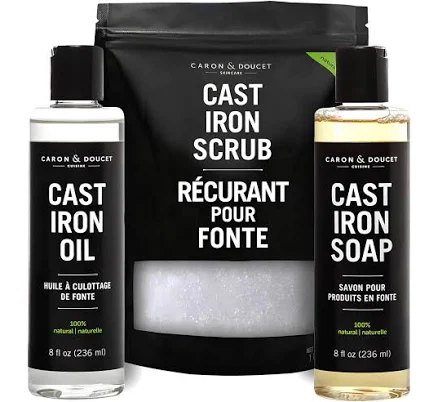
Cast Iron Ultimate Bundle
- cast iron, bare or seasoned with the brand
- We found no PFAS statement from the brand
- Iron leaching into food
2 hazards checked on this product. See all of them.
More cast iron cookware seasoning & oil grades
How we score, every product runs through the same public 0-100 rubric based on materials, coatings, brand disclosure, lab findings, and recalls. See the full methodology → Spotted a mistake? Report an error.