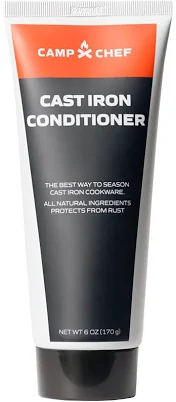
Camp Chef · Cast Iron Cookware Seasoning & Oil
Camp Chef Cast Iron Conditioner
Lower concern. Coconut oil conditioner is not a material linked to PFAS.
This cast iron conditioner is made from coconut oil and food-grade ingredients. Coconut oil is not a material linked to PFAS. Camp Chef has no PFAS statement on record for this product.
The better-graded swap
Crisbee
Stik Cast Iron Seasoning
85/100 safety
Same rubric that flunked this product. The swap earned Excellent.
Still want this one anyway? Check the price on Amazon. We’d swap it.
Material
Coconut oil, food-grade conditioner
Brand disclosure
Brand is silent on PFAS
Lab data
No public lab test
You may also be interested in
Top-graded picks in the categories readers replace first, every one scored on the same rubric.

- polypropylene filter housing, carbon/sediment cartridge
- We found no PFAS statement from the brand
- Bacterial growth in spent cartridges
3 hazards checked on this product, all on its full breakdown.

Aquasure
Premier Series 75 GPD Under Sink Reverse Osmosis Water Filtration System
- RO membrane, carbon filters, stainless steel housing
- We found no PFAS statement from the brand
- Bacterial and microbial growth in housing and filters
4 hazards checked on this product, all on its full breakdown.

Avocado
Vegan Mattress
- organic cotton, natural latex, coconut coir, recycled steel coils
- The brand calls it PFAS-free, which we have not verified
- Heavy metals
2 hazards checked on this product, all on its full breakdown.
What Camp Chef Cast Iron Conditioner is made of, ingredients and materials
This product is coconut oil marketed as a food-grade cast iron seasoning and maintenance conditioner. Coconut oil is a plant-derived triglyceride that solidifies at room temperature and has a smoke point around 350°F (177°C), making it suitable for low-to-medium heat maintenance of cast iron. Unlike synthetic conditioners or mineral oils, coconut oil is edible and leaves no synthetic residue on cooking surfaces. The oil polymerizes slightly when heated on cast iron, building seasoning layers over time.
What’s concerning
Category baseline
The starting point for this type of product, before anything specific to this product is counted.
No PFAS disclosure
No public statement from the brand about PFAS in this product.
Rancidity and oxidation over time
Coconut oil is susceptible to oxidative breakdown and rancid odor development when stored in warm or light conditions. Rancid oil will impart unpleasant flavors to food and may degrade the seasoning layer it creates; this is a quality issue rather than acute toxicity, but compromises product safety and efficacy.
Smoke point limitation
Coconut oil's smoke point (around 350°F) is lower than refined mineral oil or avocado oil, limiting it to low-heat seasoning methods. Using it above this temperature will produce smoke and volatile organic compounds (acroleins) with respiratory irritant potential; users must follow the warm-oven method, not stovetop heat.
What’s reassuring
Base material not linked to PFAS
The main material recorded for this product is not one associated with PFAS.
Allergenic or sensitization potential (topical only)
Coconut oil itself is not a known contact allergen or skin sensitizer for most users. However, individuals with tree nut allergies may have cross-reactivity concerns; no clinical data supports this risk from airborne or skin exposure during cast iron conditioning, but sensitive individuals should use gloves.
Contamination during manufacture or sourcing
No recalls, contamination incidents, or heavy metal testing results are on record for Camp Chef's coconut oil conditioner. However, the brand does not publish third-party testing or sourcing transparency, so pesticide, mycotoxin, or processing-chemical residues cannot be ruled out; this risk is comparable to any unregulated food-grade oil product.
No cast iron coating degradation hazard
Unlike synthetic chemical conditioners or high-temperature oils, coconut oil does not chemically degrade cast iron's natural seasoning or enamel coatings. It is suitable for all cast iron types, including vintage and enameled surfaces.
How is this PFAS grade calculated?
The brand's record and disclosure
Camp Chef is a recognized cookware and outdoor cooking brand owned by Lippert Components. No significant safety recalls, disclosure controversies, or third-party certifications specific to this conditioner product are on public record. The brand does not prominently publish ingredient sourcing, refining methods, or independent safety testing results for this product. Coconut oil products in this category are generally unregulated as cookware accessories rather than as cosmetics or food additives, so formal disclosure standards are minimal.
How it compares in its category
Cast iron conditioners range from food-grade oils (coconut, mineral, avocado) to synthetic seasoning sprays and paste products. Coconut oil has lower concern because it is food-grade, is not a material linked to synthetic contaminants, and will not off-gas harmful fumes at typical seasoning temperatures. Mineral oil alternatives avoid rancidity risk but are petroleum-derived and not edible; synthetic spray conditioners may contain proprietary additives and Teflon-type coating-based coatings that this product avoids. Coconut oil does carry a minor rancidity and storage stability concern that refined mineral oil does not.
If you buy it
Apply sparingly with a lint-free cloth to clean, dry cast iron and wipe excess away to avoid sticky buildup. Do not heat the conditioner to smoke point on the stove; instead, use a warm oven (around 350°F) for 10-15 minutes to set seasoning. Store in a cool, dark place away from direct sunlight to slow oxidation and rancidity, which can create stale-smelling residue over months. Inspect the product for off-odors or separation before use; discard if rancid to avoid tainting food flavors.
What is not known about PFAS in this product?
- Basis
- Model estimate, 92% confidence, not a lab result
- Lab test
- None on record for this exact product
- Brand statement
- Camp Chef has made none
Formulations change between production runs, so check the current label. How we grade.
What are the PFAS-free alternatives to Camp Chef Cast Iron Conditioner?
- Organic waxes and oils blend
- We found no PFAS statement from the brand
- Oil rancidity and off-gassing
2 hazards checked on this product, all on its full breakdown.
- mineral oil and soy-based oil blend
- Aerosol inhalation (mineral oil mist)
3 hazards checked on this product, all on its full breakdown.
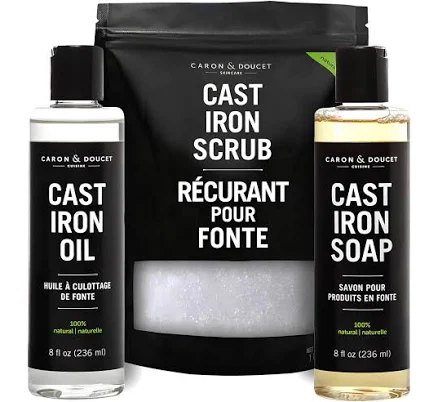
Cast Iron Ultimate Bundle
- cast iron, bare or seasoned with the brand
- We found no PFAS statement from the brand
- Iron leaching into food
2 hazards checked on this product, all on its full breakdown.
More cast iron cookware seasoning & oil grades
How we score, every product runs through the same public 0-100 rubric based on materials, coatings, brand disclosure, lab findings, and recalls. See the full methodology → Spotted a mistake? Report an error.