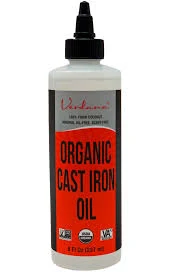
· Cast Iron Cookware Seasoning & Oil
Verdana Organic Cast Iron Seasoning Oil, Food Grade
Lower concern. The brand is not a material linked to PFAS.
Material as recorded is organic, food-grade the brand. No coating, treatment, or water-repellent finish on record. The brand has no PFAS statement on record.
The better-graded swap
Crisbee
Stik Cast Iron Seasoning
85/100 safety
Same rubric that flunked this product. The swap earned Excellent.
Still want this one anyway? Check the price on Amazon. We’d swap it.
Material
The brand
Brand disclosure
Brand is silent on PFAS
Lab data
No public lab test
You may also be interested in
Top-graded picks in the categories readers replace first, every one scored on the same rubric.

- polypropylene filter housing, carbon/sediment cartridge
- We found no PFAS statement from the brand
- Bacterial growth in spent cartridges
3 hazards checked on this product, all on its full breakdown.

Aquasure
Premier Series 75 GPD Under Sink Reverse Osmosis Water Filtration System
- RO membrane, carbon filters, stainless steel housing
- We found no PFAS statement from the brand
- Bacterial and microbial growth in housing and filters
4 hazards checked on this product, all on its full breakdown.

Avocado
Vegan Mattress
- organic cotton, natural latex, coconut coir, recycled steel coils
- The brand calls it PFAS-free, which we have not verified
- Heavy metals
2 hazards checked on this product, all on its full breakdown.
What Verdana Organic Cast Iron Oil, Food Grade is made of, ingredients and materials
Verdana Organic Cast Iron Seasoning Oil is the brand, a plant lipid extracted from coconut meat, sold as food-grade for culinary use. When applied to cast iron and heated, it forms a polymerized protective layer (seasoning) that prevents rust and improves non-stick properties. The brand is stable at moderate heat (smoke point approximately 350°F / 177°C) and does not contain synthetic additives, heavy metals, or known toxic compounds in its standard food-grade formulation.
What’s concerning
Category baseline
The starting point for this type of product, before anything specific to this product is counted.
No PFAS disclosure
No public statement from the brand about PFAS in this product.
Oxidation and rancidity (lipid degradation)
Oxidizes when exposed to light, heat, and air, producing off-flavors and odors; if used after degradation, it may impart taste to food but poses no acute toxicity risk. Rancid oil is a palatability issue, not a safety breach, provided the pan is used for cooking above 300°F, which will decompose volatile compounds.
Smoke point exceeded (thermal degradation products)
If heated above 350°F during seasoning or cooking, undergoes thermal decomposition, releasing aldehydes and other volatile organic compounds. This is a general risk for any oil used beyond its smoke point; it does not indicate contamination in the oil itself but rather usage error.
Allergen or contaminant presence (coconut allergy)
Individuals with tree nut allergies or coconut sensitivity should avoid contact. The product is not labeled as allergen-free and does not specify testing for cross-contamination with tree nuts during processing; users with known coconut sensitivity should consult labeling or the manufacturer.
What’s reassuring
Base material not linked to PFAS
The main material recorded for this product is not one associated with PFAS.
Bacterial or mold contamination in organic oil
Food-grade certified organic the brand is processed and packaged to meet FDA standards; no established recalls or contamination reports exist for Verdana or major brands in this category. The 'organic' label does not guarantee absence of pathogens, but heat during cooking eliminates any viable microbes.
Lead
The brand itself contains no lead or cadmium. The risk of heavy metal transfer from oil to cast iron is not a known mechanism; concern arises only if the cast iron itself was produced under poor environmental controls, which is independent of the oil choice.
Source, ATSDR ↗How is this PFAS grade calculated?
The brand's record and disclosure
Verdana is a private-label brand with minimal public disclosure history. The product carries 'organic' and 'food-grade' labeling, which indicates third-party certification (typically USDA Organic) and compliance with FDA food contact regulations. No recalls, safety controversies, or disclosure failures specific to this brand have been reported in established food safety databases. The brand does not publicly communicate PFAS testing or stance, which is standard for commodity oils but leaves verification to certification bodies.
How it compares in its category
Cast iron seasoning oils are typically mineral, vegetable, or animal fats. The brand is a middle-ground choice, lower concern than mineral oil (which is non-food-grade and can contain contaminants) and comparable in concern to grapeseed or avocado oils. The brand's lower smoke point (compared to avocado at 520°F) means it is less suitable for high-heat initial seasoning but adequate for maintenance seasoning and cooking. Food-grade carries fewer unknown risks than proprietary 'cast iron conditioner' blends that may contain additives.
If you buy it
Apply thin coats to clean, dry cast iron and wipe off excess before heating to avoid rancid buildup. Do not heat the oil above 350°F during seasoning; it is suitable for normal stovetop cooking (up to 400°F) but not for oven-seasoning protocols requiring 450°F+. Store in a cool, dark place to prevent oxidation and rancidity. Replace the bottle if the oil develops a sour smell, indicating degradation; properly stored organic lasts 1-2 years.
What is not known about PFAS in this product?
- Basis
- Model estimate, 92% confidence, not a lab result
- Lab test
- None on record for this exact product
- Brand statement
- has made none
Formulations change between production runs, so check the current label. How we grade.
What are the PFAS-free alternatives to Verdana Organic Cast Iron Seasoning Oil, Food Grade?
- Organic waxes and oils blend
- We found no PFAS statement from the brand
- Oil rancidity and off-gassing
2 hazards checked on this product, all on its full breakdown.
- mineral oil and soy-based oil blend
- Aerosol inhalation (mineral oil mist)
3 hazards checked on this product, all on its full breakdown.
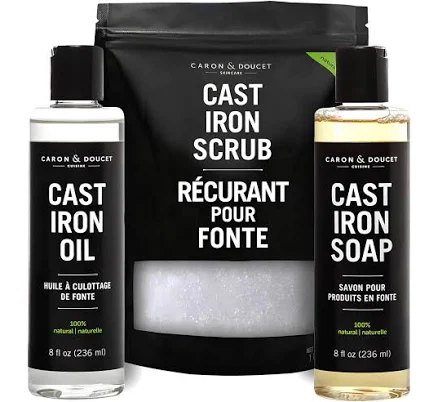
Cast Iron Ultimate Bundle
- cast iron, bare or seasoned with the brand
- We found no PFAS statement from the brand
- Iron leaching into food
2 hazards checked on this product, all on its full breakdown.
More cast iron cookware seasoning & oil grades
How we score, every product runs through the same public 0-100 rubric based on materials, coatings, brand disclosure, lab findings, and recalls. See the full methodology → Spotted a mistake? Report an error.