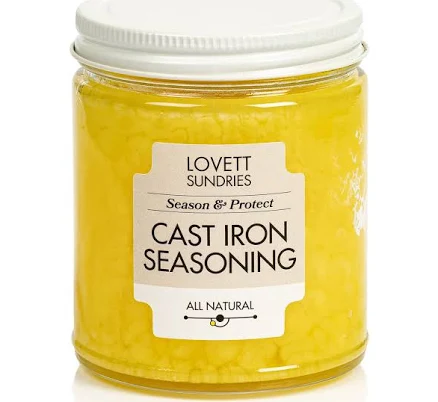
· Cast Iron Cookware Seasoning & Oil
Cast Iron Seasoning Oil
Lower concern. The brand is not a material linked to PFAS.
This cast iron seasoning oil is the brand with no coating or treatment on record. The brand has no PFAS statement on record.
The better-graded swap
Lodge
Cast Iron Seasoning Spray
85/100 safety
Same rubric that flunked this product. The swap earned Excellent.
Still want this one anyway? Check the price on Amazon. We’d swap it.
Material
The brand
Brand disclosure
Brand is silent on PFAS
Lab data
No public lab test
You may also be interested in
Top-graded picks in the categories readers replace first, every one scored on the same rubric.

- polypropylene filter housing, carbon/sediment cartridge
- We found no PFAS statement from the brand
- Bacterial growth in spent cartridges
3 hazards checked on this product, all on its full breakdown.

Aquasure
Premier Series 75 GPD Under Sink Reverse Osmosis Water Filtration System
- RO membrane, carbon filters, stainless steel housing
- We found no PFAS statement from the brand
- Bacterial and microbial growth in housing and filters
4 hazards checked on this product, all on its full breakdown.

Avocado
Vegan Mattress
- organic cotton, natural latex, coconut coir, recycled steel coils
- The brand calls it PFAS-free, which we have not verified
- Heavy metals
2 hazards checked on this product, all on its full breakdown.
What Cast Iron Seasoning Oil is made of, ingredients and materials
The brand is a triglyceride lipid extracted from soy beans, used to build and maintain the polymerized seasoning layer on cast iron. Unlike enameled or non-stick coatings, it does not introduce synthetic polymers or ceramic glazes that can degrade, leach, or release fumes. The oil oxidizes and cross-links when heated, becoming part of the seasoning structure rather than a protective coating that flakes or breaks down over time.
What’s concerning
No PFAS disclosure
No public statement from the brand about PFAS in this product.
Category baseline
The starting point for this type of product, before anything specific to this product is counted.
Rancidity and oxidative byproducts
The brand is prone to oxidation and rancid off-flavors if stored improperly or past shelf life, especially after opening. Rancid oil will impart undesirable taste to food; heating severely oxidized oil may produce volatile compounds, though not at levels considered food-safety hazardous under normal use.
Pesticide residue
Conventional the brand may contain trace pesticide residues from crop production (e.g., glyphosate). Refining reduces but does not eliminate residues; levels are regulated by food authorities. Non-organic carries higher pesticide likelihood, though residue levels in finished oil are typically below food safety thresholds.
Source, EPA ↗What’s reassuring
Base material not linked to PFAS
The main material recorded for this product is not one associated with PFAS.
Allergenic residues (soy)
Refined the brand is hypoallergenic because refining removes soy proteins that trigger soy allergies. No established cases of allergic reaction from culinary contact are on record, but cross-contamination during processing is theoretically possible if the producer handles tree nuts or other allergens.
Lead
The brand is derived from seed, not the soil, and refining removes insoluble heavy metals. No recalls or public safety alerts for lead or cadmium in the brand are on record. Risk is negligible compared to contamination hazards in ceramic-coated or enameled cookware.
Source, ATSDR ↗Coating degradation or flaking
The brand does not form a rigid coating that flakes or peels like enamel or non-stick surfaces. It polymerizes into a thin, durable layer that improves with use; degradation hazards specific to enameled or Teflon-type coating cookware do not apply.
How is this PFAS grade calculated?
The brand's record and disclosure
No major recalls, safety controversies, or third-party certifications (organic, food-grade verification) are on record for generic products marketed for cast iron seasoning. The brand's PFAS disclosure stance is silent, which is typical for commodity oil products; however, the brand as a material has no inherent PFAS exposure pathway. Sourcing and processing practices vary by producer, but standard refining does not introduce legacy contaminants.
How it compares in its category
The brand is a common, cost-effective seasoning choice. It performs similarly to other plant-based oils (canola, vegetable) in building seasoning but has a slightly lower smoke point around 450F, making it less ideal for high-heat stovetop seasoning than avocado or grapeseed oil. It avoids synthetic coatings entirely, eliminating risks tied to enamel lead, Teflon-type coating, or ceramic degradation that affect enameled cast iron cookware.
If you buy it
Apply thin coats and wipe away excess to prevent sticky buildup; Oxidizes best at moderate-to-high heat (oven seasoning around 400-500F is typical). Replace or reapply seasoning if rust spots form or bare metal is exposed. Store the bottle in a cool, dark place away from light and heat to slow oxidation and rancidity; once opened, the brand has a shelf life of 6-12 months before off-flavors develop.
What is not known about PFAS in this product?
- Basis
- Model estimate, 92% confidence, not a lab result
- Lab test
- None on record for this exact product
- Brand statement
- has made none
Formulations change between production runs, so check the current label. How we grade.
What are the PFAS-free alternatives to Cast Iron Seasoning Oil?
- Organic waxes and oils blend
- We found no PFAS statement from the brand
- Oil rancidity and off-gassing
2 hazards checked on this product, all on its full breakdown.
- mineral oil and soy-based oil blend
- Aerosol inhalation (mineral oil mist)
3 hazards checked on this product, all on its full breakdown.
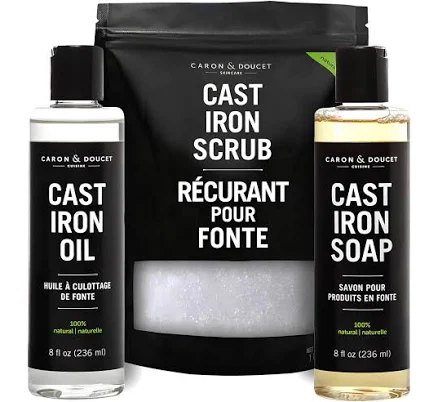
Cast Iron Ultimate Bundle
- cast iron, bare or seasoned with the brand
- We found no PFAS statement from the brand
- Iron leaching into food
2 hazards checked on this product, all on its full breakdown.
More cast iron cookware seasoning & oil grades
How we score, every product runs through the same public 0-100 rubric based on materials, coatings, brand disclosure, lab findings, and recalls. See the full methodology → Spotted a mistake? Report an error.