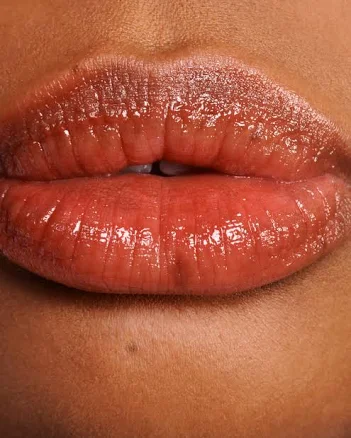
Glossier · Lip Balm & Long-Wear Lipstick
Glossier Balm + Line Duo
Lower concern cosmetic; no known PFAS triggers, though no brand transparency.
Glossier's wax-based lip and eye product lacks water-resistance claims or coated materials that raise PFAS concerns. Glossier hasn't publicly disclosed PFAS policies.
We flunk more products than we pass. This one earned its grade. How we grade
Material
Wax and pigment (lip balm + eyeliner)
Brand disclosure
Brand is silent on PFAS
Lab data
No public lab test
What Glossier Balm + Line Duo is made of, ingredients and materials
The Balm + Line Duo combines a lip balm (typically wax, oils, and emollients) with a pigmented eyeliner pencil. Both are leave-on cosmetics applied to delicate mucous membranes and eye area, so ingredient purity and stability matter. Wax-based formulas are generally stable and non-leaching; pigment quality determines whether heavy metals or problematic dyes are present. The product sits on skin long enough for any volatile components or allergens to cause contact issues, though brief exposure limits systemic absorption risk.
What’s concerning
Category baseline
The starting point for this type of product, before anything specific to this product is counted.
No PFAS disclosure
No public statement from the brand about PFAS in this product.
Fragrance allergens and sensitizers
Glossier's branding emphasizes minimal, 'clean' aesthetics, but full fragrance disclosure is not available. Lip balms commonly include flavor oils (e.g., mint, vanilla) and fragrance compounds that trigger contact dermatitis in sensitive individuals. Risk is higher for repeated lip application in a closed-mouth environment.
What’s reassuring
Base material not linked to PFAS
The main material recorded for this product is not one associated with PFAS.
Lead
Glossier does not publish pigment sourcing or third-party heavy metal testing results. Lip balms and eyeliners are regulated as cosmetics in the US and EU, which set residual limits on lead and cadmium, but enforcement relies on manufacturer compliance. No recalls or adverse event reports link this product to heavy metal exposure.
Source, ATSDR ↗Azo dyes and restricted colorants
Full ingredient list is not publicly detailed; Glossier does not confirm avoidance of restricted azo dyes (e.g., Amaranth, Tartrazine in some markets). Wax-based formulas are less prone to dye migration than liquids, and lip/eyelid exposure is brief, limiting systemic risk even if a restricted dye were present.
Formaldehyde / VOCs
Wax-based anhydrous (water-free) formulas require minimal preservatives; traditional formaldehyde releasers (DMDM hydantoin, imidazolidinyl urea) are more common in water-containing cosmetics. No evidence suggests Glossier uses these in the Balm + Line Duo, but the brand does not confirm absence.
Source, ATSDR ↗Talc contamination in powders or absorptive layers
This product is primarily wax and pigment, not a talc-containing powder. Talc risk is irrelevant unless the eyeliner contains a talc-based binder, which is not indicated in available descriptions.
The full breakdown
The brand's record and disclosure
Glossier does not publicly disclose PFAS testing or avoidance practices, and has not published a full ingredient list online for independent review of heavy metals or restricted azo dyes. The brand maintains no third-party cosmetic certifications (e.g., Leaping Bunny, EWG Verified). No formal recalls or safety controversies are on record for this product line. Glossier is owned by Estee Lauder, a major cosmetics company subject to FDA oversight but not known for exceptional transparency on emerging contaminants.
How it compares in its category
Wax-based lip balms and pencil eyeliners are among the lowest-risk cosmetic formats; they avoid water-based preservatives, volatile alcohols, and the emulsifier complexity that raises contamination risk in liquids or creams. Glossier's positioning as a minimal, aesthetic brand appeals to safer-ingredient-conscious consumers, though that marketing does not guarantee chemical safety. Many competitors (e.g., Burt's Bees, RMS Beauty) offer greater transparency on sourcing and testing; others (mass drugstore brands) offer similar risk profiles with less brand prestige.
If you buy it
Store away from direct heat and sunlight to prevent wax softening or pigment degradation. Replace lip balm every 6-12 months to avoid bacterial growth in a warm, moist pocket; pencil eyeliners last longer if sharpened regularly and capped. Patch-test on the inner arm first if you have fragrance sensitivities or a history of contact dermatitis, since lip balms often contain essential oils or flavor compounds. Discontinue if redness, swelling, or itching develops; these may indicate dye or fragrance allergy rather than a stability issue.
What we don’t know
- Basis
- Model estimate, 72% confidence, not a lab result
- Lab test
- None on record for this exact product
- Brand statement
- Glossier has made none
Formulations change between production runs, so check the current label. How we grade.
More lip balm & long-wear lipstick grades
How we score, every product runs through the same public 0-100 rubric based on materials, coatings, brand disclosure, lab findings, and recalls. See the full methodology → Spotted a mistake? Report an error.