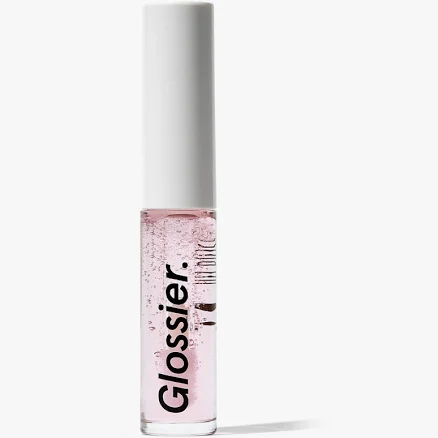
Glossier · Lip Balm & Long-Wear Lipstick
Glossier Glassy High-Shine Lip Gloss
Lower-concern cosmetic; no PFAS trigger identified, though no brand transparency.
Glossier's high-shine lip gloss lacks any disclosed water-repellent or stain-resistant treatments typical of PFAS use. Standard lip glosses rely on silicones and oils, not fluorinated compounds.
We flunk more products than we pass. This one earned its grade. How we grade
Material
liquid lip gloss formulation (typical, silicones, oils, waxes, pigments)
Brand disclosure
Brand is silent on PFAS
Lab data
No public lab test
What Glossier Glassy High-Shine Lip Gloss is made of, ingredients and materials
Glossier Glassy High-Shine Lip Gloss is a liquid formulation built on silicones (likely dimethicone or cyclomethicone) as the primary emollient, combined with oils, waxes, and colorant pigments to create its shine and staying power. Silicone-based lip glosses are chemically stable at body temperature and mouth pH, pose minimal absorption risk through oral mucosa, and degrade slowly in the environment but not in the body. The pigments (likely iron oxides, mica, or synthetic colorants) are approved for cosmetic use but their specific identity and sourcing are not disclosed by the brand.
What’s concerning
Category baseline
The starting point for this type of product, before anything specific to this product is counted.
No PFAS disclosure
No public statement from the brand about PFAS in this product.
Fragrance allergens and sensitizers
Glossier Glassy products are listed as fragrance-free or minimal fragrance, but unscented formulations may still contain masking or preservative fragrances not declared. Lip gloss contact dermatitis is rare but typically linked to fragrance, flavor compounds, or preservatives; individual sensitivity varies.
Microplastics
Mica and synthetic polymer microspheres in lip gloss are not absorbed through oral mucosa but may be ingested in small amounts during eating. The ecological and long-term ingestion impact of cosmetic microplastics remains under study; no acute toxicity is established from lip gloss use.
Source, EPA ↗Microbial contamination (post-application)
Lip gloss packaging (wand applicator) can harbor bacteria if contaminated during manufacturing or through repeated mouth contact in storage. Glossier does not disclose preservative systems or microbial testing; standard cosmetic regulations require antimicrobial efficacy but independent verification is absent.
What’s reassuring
Base material not linked to PFAS
The main material recorded for this product is not one associated with PFAS.
Heavy metals
Lip glosses with iron oxide, mica, and synthetic colorants do not typically concentrate heavy metals; no lead or cadmium contamination has been reported in Glossier products. However, Glossier does not publish third-party metal testing, so absence of reported cases does not confirm absence of risk.
Source, FDA ↗Emulsion instability and ingredient separation
No quality or stability complaints have been documented for the Glassy line. Silicone-based formulations are chemically stable; however, storage above 80°F or repeated temperature swings can cause phase separation, which does not create a toxicity hazard but may reduce product efficacy.
The full breakdown
The brand's record and disclosure
Glossier publishes ingredient lists on product pages but does not voluntarily disclose full formulation details, supplier certifications, or testing protocols for contaminants (heavy metals, microbial content). The brand holds no publicized third-party cosmetic certifications (e.g., Cruelty Free, Clean Beauty standards) and has no recorded product safety recalls. No independent testing or regulatory flags have been filed against this specific product or the Glassy line.
How it compares in its category
Lip glosses occupy a lower-risk category than foundations or eyeshadows because exposure is brief, localized, and typically does not involve skin penetration. Glossier's silicone base is standard across premium lip glosses (e.g., MAC Fix+, Charlotte Tilbury) and avoids the phthalate-prone plasticizers found in budget formulations. Most competitors similarly withhold granular ingredient sourcing, so Glossier's transparency gap is category-typical rather than a brand outlier.
If you buy it
Apply sparingly to avoid ingestion; lip gloss is not formulated for swallowing but incidental ingestion during eating or drinking is normal and low-risk. Store below 75°F to prevent silicone breakdown and pigment settling; do not heat or place near open flame. Replace every 12-18 months or if the texture becomes tacky, grainy, or develops odor, signs of emulsion breakdown or microbial contamination. Discontinue use if redness, swelling, or contact dermatitis develops; fragrance or mica sensitivity is possible in rare cases.
What we don’t know
- Basis
- Model estimate, 72% confidence, not a lab result
- Lab test
- None on record for this exact product
- Brand statement
- Glossier has made none
Formulations change between production runs, so check the current label. How we grade.
More lip balm & long-wear lipstick grades
How we score, every product runs through the same public 0-100 rubric based on materials, coatings, brand disclosure, lab findings, and recalls. See the full methodology → Spotted a mistake? Report an error.