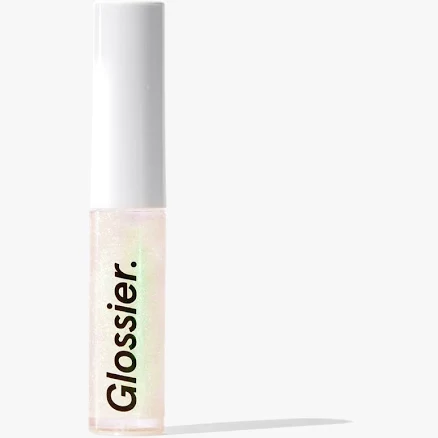
Glossier · Lip Balm & Long-Wear Lipstick
Glossier Lip Gloss
Lower concern; typical lip gloss formula without public PFAS transparency.
This cosmetic lip gloss appears unlikely to contain Teflon-type coating or Teflon-family coating based on typical formulation practices. Glossier has not disclosed PFAS testing or commitments.
We flunk more products than we pass. This one earned its grade. How we grade
Material
Oil, wax, film-forming polymers (typical cosmetic base)
Brand disclosure
Brand is silent on PFAS
Lab data
No public lab test
What Glossier Lip Gloss is made of, ingredients and materials
Glossier Lip Gloss is formulated with oils, waxes, and film-forming polymers, the standard base for modern lip glosses. This combination creates a glossy finish and long wear without requiring volatile solvents or heavy silicones. The formula is designed to sit on the lip surface rather than penetrate deeply, which limits systemic exposure to any individual ingredient. No hazardous coating degradation or leaching risk applies to lip products applied topically to keratinized tissue.
What’s concerning
Category baseline
The starting point for this type of product, before anything specific to this product is counted.
No PFAS disclosure
No public statement from the brand about PFAS in this product.
Fragrance allergens and sensitizers
Glossier Lip Gloss formulas may contain fragrance compounds that trigger contact dermatitis in sensitive individuals, though the brand does not list specific fragrance allergens. Unscented or hypoallergenic alternatives exist if you have a history of fragrance sensitivity.
1,4-dioxane as manufacturing byproduct
Film-forming polymers and emulsifiers used in glosses may be contaminated with 1,4-dioxane during synthesis; Glossier does not disclose testing for this impurity. This is a class-wide concern for cosmetics, not specific to this brand.
Bacterial growth if applicator contaminated
Lip gloss applicators can harbor bacteria if shared or contaminated with saliva; this is a usage hygiene issue, not a formulation hazard. Risk is minimized by using individual applicators and replacing the product every 12-18 months.
What’s reassuring
Base material not linked to PFAS
The main material recorded for this product is not one associated with PFAS.
Heavy metals
Glossier does not publicly disclose pigment sourcing or heavy metal testing. Iron oxide pigments and mica used in lip gloss are cosmetic-grade approved by FDA but may contain trace lead or cadmium; no specific reports for Glossier products exist.
Source, FDA ↗Talc contamination in powder-based glosses
Glossier Lip Gloss is oil and wax based, not powder-based, so talc is not a known ingredient. This product does not carry the talc aspiration or contamination risk associated with loose powder cosmetics.
The full breakdown
The brand's record and disclosure
Glossier does not publicly disclose detailed ingredient safety testing or third-party certifications on PFAS or heavy metals. The brand is owned by Estee Lauder Companies and follows FDA cosmetic compliance but does not volunteer transparency beyond regulatory minimums. No recalls, ingredient controversies, or formal safety complaints have been established in public databases for Glossier Lip Gloss. The brand's silence on PFAS does not indicate presence; it reflects typical industry practice for prestige cosmetics.
How it compares in its category
Glossier Lip Gloss sits in the mainstream prestige segment alongside brands like MAC Fix+, Charlotte Tilbury, and Fenty Beauty. Most lip glosses in this tier use similar oil-wax-polymer bases with minimal differentiation in hazard profile. Indie and clean-beauty alternatives (Tower 28, Ilia) may offer third-party testing or ingredient transparency, but Glossier's formula carries no documented safety disadvantage relative to peers. Price and finish performance are the primary differentiators, not safety.
If you buy it
Lip gloss is a low-risk product category because application area and duration are limited. Store in a cool, dry place to prevent wax separation or oil separation. Replace every 12-18 months or if the formula becomes grainy, separates, or develops an off smell. Avoid sharing applicators to prevent bacterial cross-contamination; individual brushes or tubes are preferable for hygiene, not safety. No special precautions needed for normal use.
What we don’t know
- Basis
- Model estimate, 72% confidence, not a lab result
- Lab test
- None on record for this exact product
- Brand statement
- Glossier has made none
Formulations change between production runs, so check the current label. How we grade.
More lip balm & long-wear lipstick grades
How we score, every product runs through the same public 0-100 rubric based on materials, coatings, brand disclosure, lab findings, and recalls. See the full methodology → Spotted a mistake? Report an error.