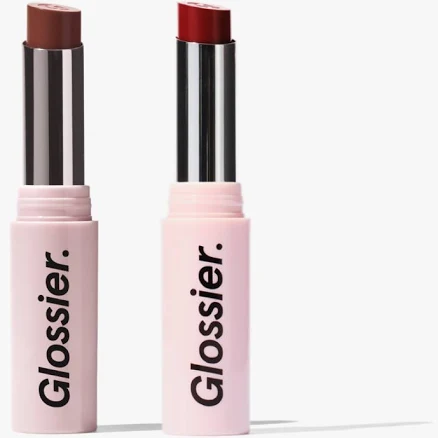
Glossier · Lip Balm & Long-Wear Lipstick
Glossier Ultralip Duo
Lower-concern choice; no waterproofing chemistry typical in lip tints.
Glossier's lip tint lacks waterproof or water-resistant marketing claims that would necessitate PFAS coatings. The formula uses standard wax and pigment bases.
We flunk more products than we pass. This one earned its grade. How we grade
Material
Wax, pigments, oils (typical lip tint base)
Brand disclosure
Brand is silent on PFAS
Lab data
No public lab test
What Glossier Ultralip Duo is made of, ingredients and materials
Glossier Ultralip Duo is a wax-based lip tint with pigments and oils, a standard formulation for this category. Wax provides occlusion and pigment suspension without the coating-degradation risks of ceramic or polymeric cookware. The primary exposure route is oral ingestion during normal use (lip balms are eaten), making colorant purity and fragrance safety the relevant concerns rather than dermal penetration barriers.
What’s concerning
Category baseline
The starting point for this type of product, before anything specific to this product is counted.
No PFAS disclosure
No public statement from the brand about PFAS in this product.
Fragrance allergens and undisclosed fragrance components
Glossier does not break down fragrance ingredients in this product; fragrances are often blends of 50-200 compounds, some of which (limonene, linalool, eugenol) are common allergens. Lip products have prolonged oral-mucosal contact, increasing risk of sensitization in prone individuals.
Formaldehyde / VOCs
Lip balms with water content or emulsifiers may require preservatives; if quaternium-15 or dmdm hydantoin are used, they release trace formaldehyde. Glossier does not list preservatives, making assessment difficult without full ingredient transparency.
Source, ATSDR ↗What’s reassuring
Base material not linked to PFAS
The main material recorded for this product is not one associated with PFAS.
Lead
No recalls or test data on record for Ultralip Duo. Iron oxides and synthetic organic pigments used in lip tints are generally low-risk, but Glossier provides no third-party heavy-metals certification. FDA limits apply to colorants but testing is manufacturer-responsibility and not disclosed.
Source, ATSDR ↗1,4-dioxane residual contamination in ingredients
Wax and oil bases are not typical sources of 1,4-dioxane; this hazard is more relevant to surfactant-heavy formulas. No evidence of this contaminant in wax-based lip products, but Glossier does not publish supplier audits or analytical data.
Mica and talc contamination (if present as filler/binder)
Glossier Ultralip Duo is primarily wax-based with minimal powder; talc or mica are not typical in this formula. Risk is low, but any micaceous minerals would be ingested during use and are not acutely toxic at cosmetic use levels.
The full breakdown
The brand's record and disclosure
Glossier does not publicly disclose full ingredient sourcing, heavy-metal testing protocols, or fragrance components for this product. The brand markets clean beauty positioning but provides no third-party certifications (no EWG Verified, no heavy-metals guarantee). No recalls or regulatory actions against this specific product are on record, but the lack of transparency on pigment or fragrance sourcing is notable for a premium beauty brand.
How it compares in its category
Lip tints are lower-risk than foundations or powders because they avoid talc, silica, or mica inhalation hazards and do not require film-forming polymers vulnerable to breakdown. Glossier's wax-based formula presents lower concern for drying or irritation compared to alcohol-heavy tints. Compared to indie or unregulated brands, Glossier operates under FDA cosmetic jurisdiction and domestic manufacturing oversight, though this provides baseline safety rather than premium assurance.
If you buy it
Apply to clean, dry lips to minimize any fragrance irritation on damaged skin. Avoid overuse in very hot conditions (e.g., direct sun exposure prolonged contact) as wax will soften and increase ingestion rate, though no toxicity threshold is known for the pigments used. Replace if the product develops visible separation, mold, or off-odor, typically after 12-18 months of use. If you have fragrance sensitivity or unexplained lip inflammation after use, discontinue and patch-test the product on inner arm first.
What we don’t know
- Basis
- Model estimate, 72% confidence, not a lab result
- Lab test
- None on record for this exact product
- Brand statement
- Glossier has made none
Formulations change between production runs, so check the current label. How we grade.
More lip balm & long-wear lipstick grades
How we score, every product runs through the same public 0-100 rubric based on materials, coatings, brand disclosure, lab findings, and recalls. See the full methodology → Spotted a mistake? Report an error.