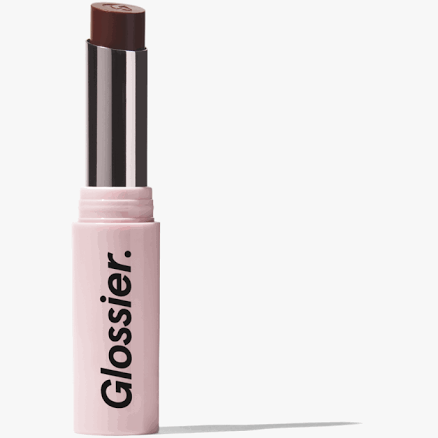
Glossier · Lip Balm & Long-Wear Lipstick
Glossier Ultralip Shine
Lower concern for PFAS; typical lip gloss unlikely to need water-resistant coatings.
Glossier's silicone-based lip gloss lacks publicly disclosed PFAS or waterproofing treatments. Lip glosses rarely require synthetic coatings that introduce PFAS.
We flunk more products than we pass. This one earned its grade. How we grade
Material
Silicone, oils, waxes, pigments (typical lip gloss formulation)
Brand disclosure
Brand is silent on PFAS
Lab data
No public lab test
What Glossier Ultralip Shine is made of, ingredients and materials
Glossier Ultralip Shine is a silicone-oil hybrid gloss, typical of modern cosmetic lip products. The silicone base (likely dimethicone or cyclopentasiloxane) provides slip and longevity; oils and waxes add conditioning and texture. Pigments are synthetic iron oxides or mica-based, standard in color cosmetics. Lip glosses pose minimal systemic toxicity risk because the product sits on the lip surface with low dermal penetration and most of the dose is swallowed or wiped away rather than absorbed.
What’s concerning
Category baseline
The starting point for this type of product, before anything specific to this product is counted.
No PFAS disclosure
No public statement from the brand about PFAS in this product.
Fragrance allergens and undisclosed fragrance components
Glossier Ultralip Shine contains fragrance (exact components not disclosed on most retailers). Fragrance mixes can include known allergens such as limonene, linalool, or citral; individuals with sensitive skin or fragrance sensitivity may experience irritation. Without full ingredient disclosure, specific allergen risk cannot be quantified.
What’s reassuring
Base material not linked to PFAS
The main material recorded for this product is not one associated with PFAS.
Lead
Glossier Ultralip Shine uses standard synthetic iron oxide and mica pigments; no recalls or test reports citing heavy metal contamination exist for this product. FDA cosmetic regulations do not set hard limits on trace metals in colorants, but mainstream brands use refined pigment suppliers and heavy metal detection is routine.
Source, ATSDR ↗1,4-dioxane contamination (cosmetic impurity)
1,4-dioxane is a potential byproduct of ethoxylated surfactants; Ultralip Shine's silicone-based formula is unlikely to require such surfactants. No public testing or recalls have flagged this product for 1,4-dioxane contamination.
Talc contamination or use
Glossier Ultralip Shine does not list talc in available ingredient information and is a liquid or semi-liquid gloss formulation that does not require talc as a filler. Silicone and mica serve the slip and texture functions talc would provide.
Silicone polymer accumulation or bioaccumulation concern
Cyclopentasiloxane and dimethicone are volatile or surface-sitting silicones; they do not bioaccumulate systemically from lip product use. Scientific consensus supports silicone safety in cosmetics at typical use levels.
The full breakdown
The brand's record and disclosure
Glossier does not publicly disclose full ingredient lists or third-party testing certifications for Ultralip Shine on their website. The brand has not faced major safety recalls or public controversies over this product line. Glossier is owned by Estee Lauder and operates under FDA cosmetic jurisdiction; no red flags in regulatory filings are on record. The brand's general stance on PFAS and chemical transparency remains minimal, consistent with most mainstream beauty brands.
How it compares in its category
Silicone-based lip glosses are the industry standard and offer lower concern for rancidity compared to older oil-only formulas. Ultralip Shine sits in the mainstream mid-luxury tier; it avoids niche claims (natural, organic, waterproof) that might trigger use of problematic additives. Compared to tinted lip balms with SPF or long-wear claims, it has fewer preservative demands and stabilizers, which reduces incidental hazard surface area. Performance-focused glosses may use higher loads of pigment or silicones, but Glossier's formula appears conventionally formulated.
If you buy it
Apply only to lips; avoid eye area and mucous membranes beyond the lip line. Do not ingest intentionally, though incidental swallowing during normal use is not a safety concern. Replace if the product separates, changes smell, or becomes sticky or clumpy, indicating degradation. Store in a cool, dry place away from direct heat; silicone glosses can soften in extreme warmth but this does not create a hazard, only a texture change.
What we don’t know
- Basis
- Model estimate, 72% confidence, not a lab result
- Lab test
- None on record for this exact product
- Brand statement
- Glossier has made none
Formulations change between production runs, so check the current label. How we grade.
More lip balm & long-wear lipstick grades
How we score, every product runs through the same public 0-100 rubric based on materials, coatings, brand disclosure, lab findings, and recalls. See the full methodology → Spotted a mistake? Report an error.