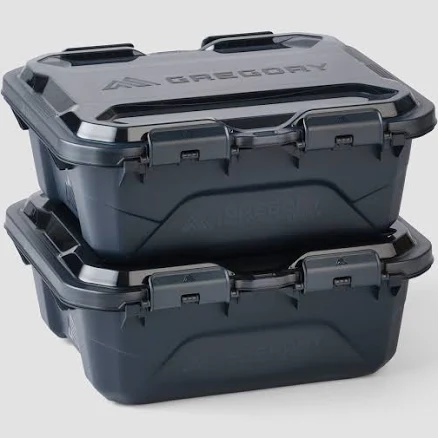
Gregory · Waterproof Outdoor Gear Storage Bags
Gregory Alpaca Gear Box 25 2 Pack Backpack
Backpack uses water-repellent coating; Gregory discloses no PFAS stance.
Gregory backpacks typically use water-repellent coating finishes on nylon. The brand provides no public PFAS information or testing data.
Still want this one anyway? Check the price on Amazon. We’d swap it.
Material
Nylon fabric with water-repellent coating water-repellent treatment
Brand disclosure
Brand is silent on PFAS
Lab data
No public lab test
What Gregory Alpaca Gear Box 25 2 Pack Backpack is made of, ingredients and materials
Gregory Alpaca Gear Box uses nylon fabric with a water-repellent coating (water-repellent coating) finish. water-repellent coating coatings are applied to textiles to shed water; the composition matters because some formulations historically relied on PFAS chemistry, though many modern treatments now use non-fluorinated alternatives. Nylon itself is a synthetic polymer with no established leaching hazard under normal wear. The 2-pack format suggests these are durable goods intended for repeated use over years.
What’s concerning
Category baseline
The starting point for this type of product, before anything specific to this product is counted.
No PFAS disclosure
No public statement from the brand about PFAS in this product.
Waterproof / stain-resistant treatment
Water-repellent coating treatments have historically used PFAS.
PFAS
Gregory does not disclose water-repellent coating chemistry or PFAS status. Nylon backpacks with fluorinated water repellents are still common; PFAS-free alternatives exist but are not confirmed here. Skin contact with treated nylon is unlikely to transfer significant PFAS, but washing may release trace amounts into wastewater.
Source, ATSDR ↗water-repellent coating finish degradation and reapplication toxicity
The original water-repellent coating will degrade with washing and use (typical lifespan 50-100 washes). If you reapply commercial water-repellent coating sprays, ensure the product is PFAS-free certified and apply in ventilation. Some budget aftermarket water-repellent coating products may contain PFAS or unregulated solvents.
What’s reassuring
Formaldehyde / VOCs
No public recalls or complaints document formaldehyde in Gregory nylon packs. Modern nylon finishing rarely uses formaldehyde-based resins, though very early off-gassing from new textile treatments is theoretically possible. Ventilation during first use mitigates any residual odor or vapors.
Source, ATSDR ↗Heavy metals
Gregory is a recognized outdoor brand; no documented dye-related safety issues on record. Nylon backpacks are typically dyed with disperse or acid dyes rather than azo compounds, and the brand's market position suggests standard dyehouse compliance with REACH and CPSIA.
Source, FDA ↗Antimony in polyester components
This pack is primarily nylon with likely polyester webbing or reinforcement. Antimony as a polyester catalyst is not known to leach under normal wear or washing of backpacks; no safety issue has been reported for Gregory or similar mid-market packs.
The full breakdown
The brand's record and disclosure
Gregory has not publicly disclosed its water-repellent coating treatment chemistry or PFAS policy, despite growing industry transparency on fluorinated water repellents. The brand is owned by Vista Outdoor (parent of multiple outdoor gear lines) but does not appear to have signed ZDHC Gateway, bluesign, or similar supply-chain certification programs that would certify PFAS-free treatments. No major safety recalls or chemical controversies have been publicly documented for Gregory backpacks in standard safety databases.
How it compares in its category
Mid-market nylon backpacks with water-repellent coating treatment are standard in outdoor gear; Gregory sits in the mainstream segment. Competitors range from budget brands with non-disclosed treatments to premium brands (Patagonia, Arc'teryx) that increasingly certify PFAS-free water-repellent coating or use wax-based alternatives. Gregory's silence on treatment chemistry is typical of mid-tier brands but lags transparency leaders. For a casual-to-moderate-use backpack, the risk profile is not exceptional, but choice opacity is a comparative weakness.
If you buy it
Wash the backpack in cool water with mild detergent before first heavy use to allow any residual finish solvents to rinse out. Avoid dry cleaning, which may add solvents. Do not heat (no dryers or direct sun curing); hang dry in ventilation. Reapply commercial water-repellent coating treatment only when water no longer beads on fabric; this extends life and lets you choose a certified PFAS-free product at that stage. Store in a cool, dry place away from direct sunlight to prevent nylon degradation.
What we don’t know
- Basis
- Model estimate, 55% confidence, not a lab result
- Lab test
- None on record for this exact product
- Brand statement
- Gregory has made none
Formulations change between production runs, so check the current label. How we grade.
Better-graded alternatives in Waterproof Outdoor Gear Storage Bags
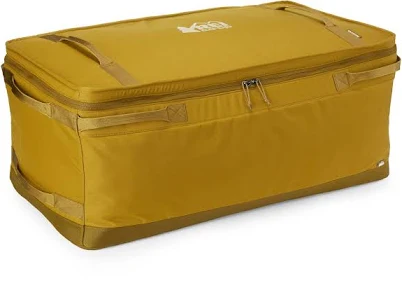
REI Co-op
Trailgate Gear Bin Green 140 L
- Polypropylene storage bin, no water-resistant coating mentioned
- UV degradation and additive leaching
3 hazards checked on this product. See all of them.
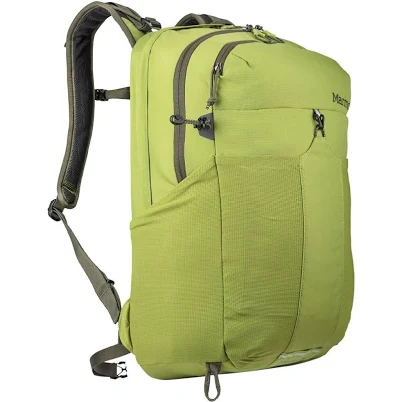
Marmot
Tool Box
- Nylon, polyester, cotton blend; details unspecified
- Volatile organic compounds (VOCs) from polyester and nylon manufacturing
5 hazards checked on this product. See all of them.
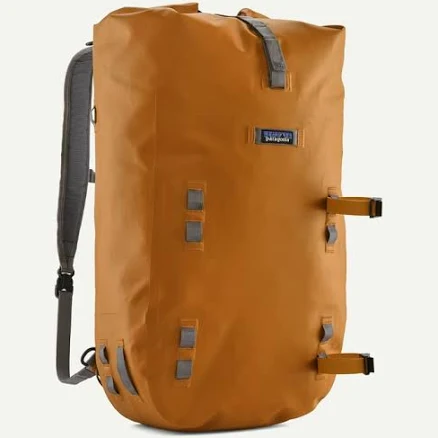
Patagonia
Disperser Roll Top Pack 40L
- Recycled polyester with water-repellent coating (water-repellent coating) finish
- The brand calls it PFAS-free, which we have not verified
- PFAS
4 hazards checked on this product. See all of them.
More waterproof outdoor gear storage bags grades
How we score, every product runs through the same public 0-100 rubric based on materials, coatings, brand disclosure, lab findings, and recalls. See the full methodology → Spotted a mistake? Report an error.