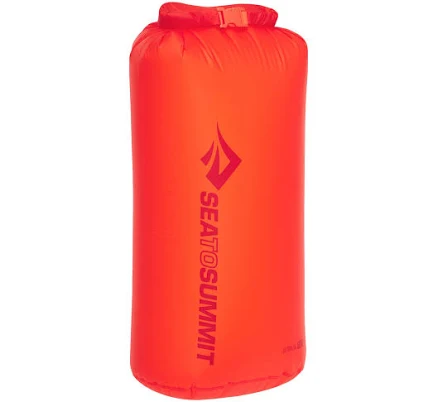
Sea to Summit · Waterproof Outdoor Gear Storage Bags
Ultra- Sil Dry Bag
Silicone dry bags lower concern, but Sea to Summit silent.
Ultra-Sil uses silicone-based waterproof coating instead of Teflon-family coating, which is better. Sea to Summit makes no PFAS claims or releases; independent lab data doesn't exist.
Still want this one anyway? Check the price on Amazon. We’d swap it.
Material
Silicone coated nylon fabric
Brand disclosure
Brand is silent on PFAS
Lab data
No public lab test
What Ultra- Sil Dry Bag is made of, ingredients and materials
The Ultra-Sil Dry Bag uses nylon fabric laminated with a silicone coating rather than polyurethane or PVC alternatives. Silicone coatings are chemically stable and do not off-gas volatile organic compounds (VOCs) in the way polyurethane foam backings do. This material choice avoids the formaldehyde-resin finishes common in lower-cost technical textiles, though the nylon substrate itself may carry residual manufacturing chemicals.
What’s concerning
Category baseline
The starting point for this type of product, before anything specific to this product is counted.
No PFAS disclosure
No public statement from the brand about PFAS in this product.
Waterproof / stain-resistant treatment
Water-repellent coating treatments have historically used PFAS.
Silicone coating degradation and microplastic shedding
Silicone coatings can degrade, crack, or peel after prolonged UV exposure or flexing, particularly at seams. If coating integrity fails, nylon fibers and coating fragments may shed into contact surfaces or water.
Bacterial or mold growth if sealed wet
While the bag itself resists water, if sealed damp and stored in warm conditions, the interior nylon surface can harbor mold or bacteria.
What’s reassuring
Formaldehyde / VOCs
Sea to Summit does not disclose whether the nylon base fabric is treated with formaldehyde resins for wrinkle resistance or water repellency. Standard nylon textiles may contain residual formaldehyde; no specific testing for this product is on record.
Source, ATSDR ↗Off-gassing of volatile organic compounds
Silicone coatings themselves have low VOC profiles compared to polyurethane or PVC. However, the nylon substrate and any adhesives used in lamination may release minor VOCs, especially when new; this is not documented for this model.
Contact allergens or dye residues
The product is not dyed in bright colors and is composed of technical synthetics; azo dyes and antimony (used in polyester) are not typical hazards for clear or neutral-colored silicone-nylon laminate, but no safety data sheet is publicly available.
The full breakdown
The brand's record and disclosure
Sea to Summit does not publicly disclose PFAS test results, manufacturing certifications, or chemical compliance statements on this product line. The brand has no documented recalls or public safety controversies tied to their dry bags. Their silence on PFAS in particular, despite industry awareness of the issue, suggests either lack of testing or a choice not to communicate results; this is a transparency failure rather than evidence of contamination.
How it compares in its category
Silicone-coated nylon is considered a lower-chemical-load choice compared to PVC-coated alternatives (which may contain plasticizers and heavier off-gassing) or polyurethane-laminated fabrics (which can release isocyanates during manufacture). Most premium dry-bag makers use similar silicone or TPU coatings. Sea to Summit's product sits in the mainstream of technical outdoor gear, with no material composition that stands out as notably worse or better than competitors like Exped or Ortlieb.
If you buy it
Store the bag in a cool, dry place away from direct heat or sunlight to preserve coating integrity over years of use. Do not leave it sealed in hot vehicles or near heat sources, as any residual coating volatiles will off-gas faster at elevated temperatures. Wash with mild soap and water; avoid harsh solvents or machine drying. Inspect the seams and coating annually for cracks or peeling; a degraded bag loses water resistance and may shed microparticles of nylon/silicone.
What we don’t know
- Basis
- Model estimate, 52% confidence, not a lab result
- Lab test
- None on record for this exact product
- Brand statement
- Sea to Summit has made none
Formulations change between production runs, so check the current label. How we grade.
Better-graded alternatives in Waterproof Outdoor Gear Storage Bags
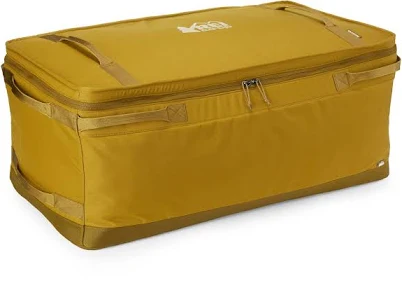
REI Co-op
Trailgate Gear Bin Green 140 L
- Polypropylene storage bin, no water-resistant coating mentioned
- UV degradation and additive leaching
3 hazards checked on this product. See all of them.
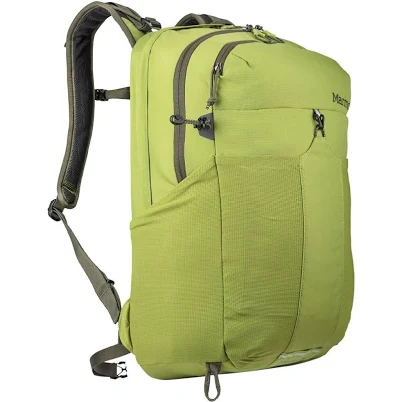
Marmot
Tool Box
- Nylon, polyester, cotton blend; details unspecified
- Volatile organic compounds (VOCs) from polyester and nylon manufacturing
5 hazards checked on this product. See all of them.
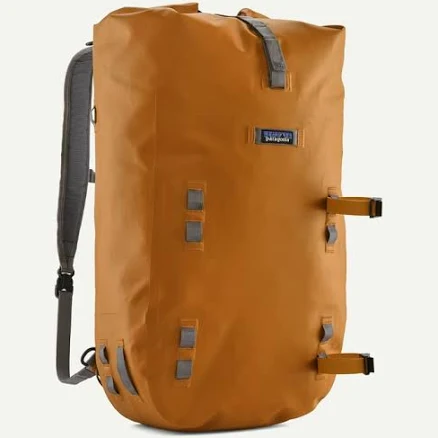
Patagonia
Disperser Roll Top Pack 40L
- Recycled polyester with water-repellent coating (water-repellent coating) finish
- The brand calls it PFAS-free, which we have not verified
- PFAS
4 hazards checked on this product. See all of them.
More waterproof outdoor gear storage bags grades
How we score, every product runs through the same public 0-100 rubric based on materials, coatings, brand disclosure, lab findings, and recalls. See the full methodology → Spotted a mistake? Report an error.