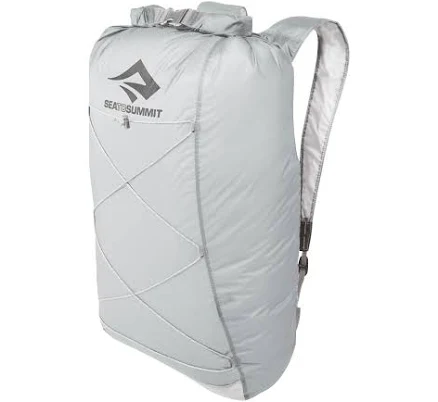
Sea to Summit · Waterproof Outdoor Gear Storage Bags
Sea to Summit Ultra Sil Dry
Likely lower PFAS risk, but brand doesn't disclose details.
Ultra Sil Dry relies on silicone or polyurethane coatings for water resistance, approaches that typically avoid traditional PFAS. Sea to Summit won't explicitly confirm PFAS status or detail their water-repellent coating process.
Still want this one anyway? Check the price on Amazon. We’d swap it.
Material
ripstop nylon with silicone or polyurethane coating
Brand disclosure
Brand is silent on PFAS
Lab data
No public lab test
What Sea to Summit Ultra Sil Dry is made of, ingredients and materials
The Ultra Sil Dry is a lightweight ripstop nylon fabric treated with either silicone or polyurethane (brand does not specify which) to create a water-resistant barrier. Ripstop nylon itself is a stable synthetic polymer with low leaching risk in normal use. The coating is the functional concern, silicone coatings are generally inert and do not off-gas significantly at ambient temperatures, while polyurethane coatings can release volatile organic compounds (VOCs) during manufacture and curing but stabilize quickly once dried. Neither coating class is associated with heavy metal contamination or formaldehyde-based resins.
What’s concerning
Category baseline
The starting point for this type of product, before anything specific to this product is counted.
No PFAS disclosure
No public statement from the brand about PFAS in this product.
Waterproof / stain-resistant treatment
Water-repellent coating treatments have historically used PFAS.
Volatile organic compound (VOC) off-gassing from polyurethane coating
If the coating is polyurethane-based, new bags may emit trace VOCs during the first few days of use or storage. This is not unique to Sea to Summit and dissipates quickly; no adverse health reports exist for this product line.
Coating degradation and microplastic shedding over time
Any synthetic fabric coating, including silicone and polyurethane, can degrade and shed particles with age and UV exposure. This is a general durability concern for all dry bags, not specific to this product, but replacement before visible flaking is advisable.
Skin contact irritation or sensitization from coating or residual chemicals
Individuals with sensitive skin or polyurethane/silicone sensitivity may experience mild irritation on prolonged contact; rinsing before use and avoiding tight skin contact reduces this low risk. No specific incidents documented for this product.
What’s reassuring
Formaldehyde / VOCs
Standard ripstop nylon used in outdoor dry bags is not typically treated with formaldehyde-based finishes or problematic azo dyes. No reports of formaldehyde or dye-related issues in Sea to Summit apparel exist.
Source, ATSDR ↗Heavy metals
Sea to Summit's color options are typically produced by standard commercial textile dyes without documented heavy metal contamination. No cadmium or lead issues have been reported for this brand's nylon products.
Source, FDA ↗The full breakdown
The brand's record and disclosure
Sea to Summit does not publicly disclose the specific coating chemistry, water-repellent coating (water-repellent coating) treatments, or third-party test results for the Ultra Sil line. The brand has no known safety recalls, product bans, or documented exposure incidents related to this item. However, the lack of transparency about coating type and treatment chemicals makes independent verification of hazard claims impossible. Sea to Summit markets to outdoor enthusiasts and emphasizes durability but does not highlight chemical safety credentials or certifications like Bluesign or GOTS.
How it compares in its category
Ultralight dry bags occupy a niche where most competitors (including brands like Osprey and Granite Gear) also use ripstop nylon with proprietary coatings, and none routinely disclose full chemical details. The Ultra Sil Dry's material profile is typical for the category, low-weight nylon with a hydrophobic coating. It does not stand out as higher or lower risk than mainstream alternatives; the main differentiator is weight and durability, not chemical safety. Lack of fluorinated water-repellent coating treatment (if confirmed) would be a minor advantage, but brand silence prevents confirmation.
If you buy it
Rinse the bag before first use to remove any residual coating volatiles or manufacturing dust. Store in a well-ventilated space for the first week if new smell is noticeable. Avoid prolonged direct sunlight or extreme heat (above 60 degrees Celsius), which could degrade the coating or cause minor off-gassing. Inspect seams and coating annually for wear; once the waterproof layer fails visibly, replacement reduces the risk of introducing unknown adhesives that could contain PFAS rather than repair attempts.
What we don’t know
- Basis
- Model estimate, 62% confidence, not a lab result
- Lab test
- None on record for this exact product
- Brand statement
- Sea to Summit has made none
Formulations change between production runs, so check the current label. How we grade.
Better-graded alternatives in Waterproof Outdoor Gear Storage Bags
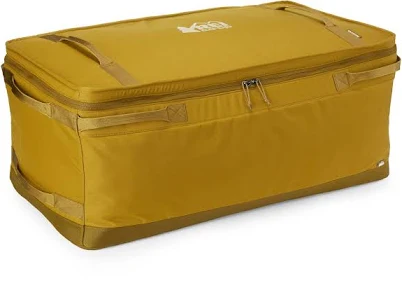
REI Co-op
Trailgate Gear Bin Green 140 L
- Polypropylene storage bin, no water-resistant coating mentioned
- UV degradation and additive leaching
3 hazards checked on this product. See all of them.
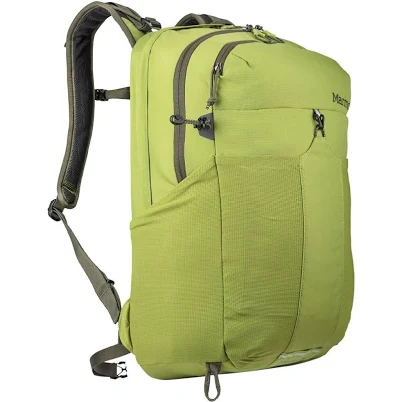
Marmot
Tool Box
- Nylon, polyester, cotton blend; details unspecified
- Volatile organic compounds (VOCs) from polyester and nylon manufacturing
5 hazards checked on this product. See all of them.
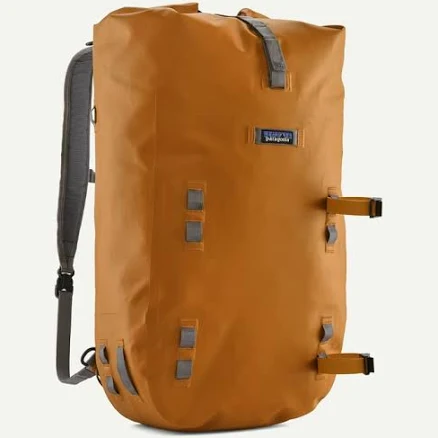
Patagonia
Disperser Roll Top Pack 40L
- Recycled polyester with water-repellent coating (water-repellent coating) finish
- The brand calls it PFAS-free, which we have not verified
- PFAS
4 hazards checked on this product. See all of them.
More waterproof outdoor gear storage bags grades
How we score, every product runs through the same public 0-100 rubric based on materials, coatings, brand disclosure, lab findings, and recalls. See the full methodology → Spotted a mistake? Report an error.