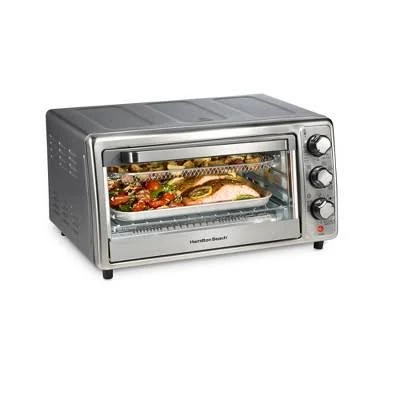
Hamilton Beach Sure-Crisp Air Fryer Toaster Oven 31418
Skip until Hamilton Beach confirms coating chemistry or specifies PFAS-free materials.
Nonstick coatings cover the heating elements and cooking surfaces, but Hamilton Beach does not disclose which polymer or PFAS content they used. No third-party testing or PFAS-free confirmation exists for this model.
The better-graded swap
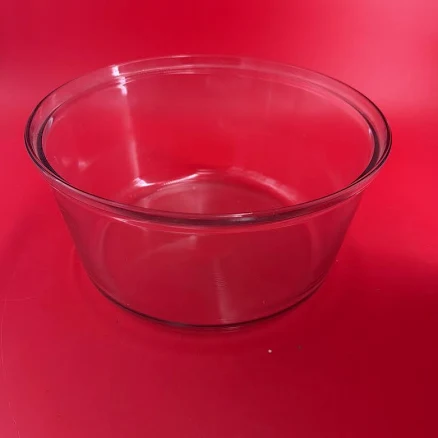
Big Boss
Big Boss Oil Less Fryer Air Fryer 16 Quart Replacement Clear Glass
75/100 safety
Same rubric that flunked this product. The swap earned Excellent.
Still want this one anyway? Check the price on Amazon. We’d swap it.
Material
Nonstick-coated heating elements; basket/tray material unspecified
Brand disclosure
Brand is silent on PFAS
Lab data
No public lab test
You may also be interested in
Top-graded picks in the categories readers replace first, every one scored on the same rubric.

- polypropylene filter housing, carbon/sediment cartridge
- We found no PFAS statement from the brand
- Bacterial growth in spent cartridges
3 hazards checked on this product, all on its full breakdown.

Aquasure
Premier Series 75 GPD Under Sink Reverse Osmosis Water Filtration System
- RO membrane, carbon filters, stainless steel housing
- We found no PFAS statement from the brand
- Bacterial and microbial growth in housing and filters
4 hazards checked on this product, all on its full breakdown.

Avocado
Vegan Mattress
- organic cotton, natural latex, coconut coir, recycled steel coils
- The brand calls it PFAS-free, which we have not verified
- Heavy metals
2 hazards checked on this product, all on its full breakdown.
What Hamilton Beach Sure-Crisp Air Toaster Oven is made of, ingredients and materials
The Hamilton Beach 31418 features nonstick-coated heating elements and an unspecified basket/tray material (likely aluminum or steel with nonstick coating). The manufacturer has not publicly disclosed whether the nonstick coating is Teflon-type coating-based (traditional Teflon), ceramic, or another chemistry. Nonstick coatings are relevant because degradation at high temperatures can release fumes, and some formulations contain PFAS compounds used in manufacturing.
What’s concerning
Category baseline
The starting point for this type of product, before anything specific to this product is counted.
No PFAS disclosure
No public statement from the brand about PFAS in this product.
Non-stick, chemistry undisclosed
Marketed as non-stick without stating the coating chemistry.
Teflon-type coating fume risk (nonstick coating degradation)
Nonstick coating composition is undisclosed. If Teflon-type coating-based, overheating or physical damage can release fumes associated with polymer fume fever (reversible but acute). Risk is low under normal use but increases with coating wear over time.
Coating degradation and microparticle ingestion
Mechanical wear, thermal cycling, and metal utensil use can flake nonstick coatings. Ingestion of small particles is not known to cause acute harm, but long-term accumulation and exposure route are not well-characterized in humans.
What’s reassuring
Aluminum leaching from heating elements or basket
No published testing or recalls for this model. Standard aluminum air fryer baskets do not present established leaching hazards under typical cooking conditions, though acidic or prolonged contact may mobilize trace aluminum.
Electrical or heating element safety
No recalls or published defect reports for the 31418. Hamilton Beach appliances are generally UL-listed and meet standard electrical safety codes.
Formaldehyde / VOCs
No public safety data or complaints on record. Plastic housing and internal insulation may release trace VOCs during initial use, typical for small appliances, but not a distinguishing concern for this brand.
Source, ATSDR ↗How is this PFAS grade calculated?
The brand's record and disclosure
Hamilton Beach does not maintain public documentation of nonstick coating chemistry or PFAS-free material certifications for this model. The brand has not issued recalls or safety advisories specific to this unit. Absence of disclosure is common in the small appliance market but leaves consumers unable to verify coating safety profile independently.
How it compares in its category
Most air fryer toaster ovens use similar nonstick coatings on heating elements and baskets without public material transparency. This model is typical for the price range and category. Some competitors (e.g., Ninja, Cosori) have begun disclosing ceramic or Teflon-type coating-free coatings, making this unit less transparent than the emerging market standard.
If you buy it
Use the unit in a well-ventilated space; avoid preheating above manufacturer specifications and never exceed 450F without checking the manual. Inspect the basket and heating elements monthly for chipping, discoloration, or peeling. Replace baskets or trays if coating degradation is visible. Hand wash nonstick surfaces gently; avoid metal utensils and dishwasher use.
What is not known about PFAS in this product?
- Basis
- Model estimate, 42% confidence, not a lab result
- Lab test
- None on record for this exact product
- Brand statement
- Hamilton Beach has made none
Formulations change between production runs, so check the current label. How we grade.
What are the PFAS-free alternatives to Hamilton Beach Sure-Crisp Air Fryer Toaster Oven 31418?
- borosilicate glass, bare uncoated
- We found no PFAS statement from the brand
- Thermal shock and fracture
2 hazards checked on this product, all on its full breakdown.
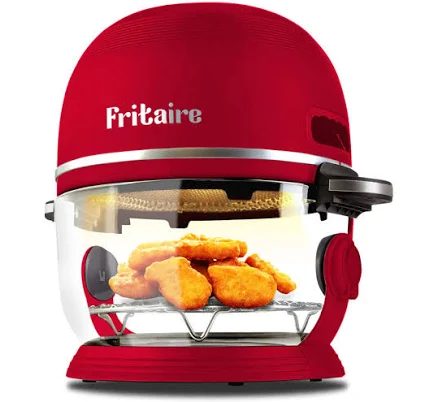
- borosilicate glass
- We found no PFAS statement from the brand
- Aluminum leaching from base/housing
4 hazards checked on this product, all on its full breakdown.
Find an alternative on Amazon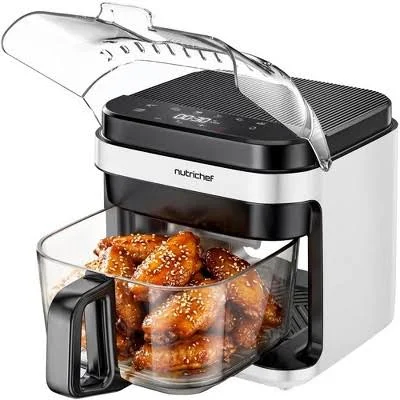
- glass bowl, stainless steel exterior
- We found no PFAS statement from the brand
- Thermal stress and glass breakage
2 hazards checked on this product, all on its full breakdown.
Find an alternative on AmazonMore air fryers grades
How we score, every product runs through the same public 0-100 rubric based on materials, coatings, brand disclosure, lab findings, and recalls. See the full methodology → Spotted a mistake? Report an error.