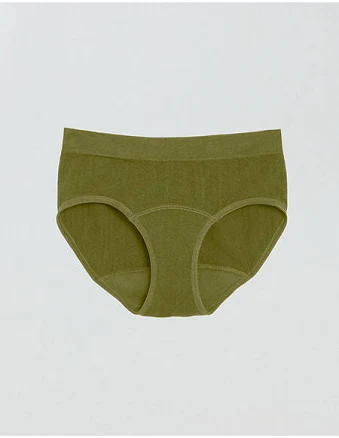
The Period Company · Period Underwear
The Period Company Bikini Heavy Flow Women's
Lower concern. Period underwear unlikely PFAS source.
Highlight's period bikini uses absorbent textiles without reported water-repellent treatment. No brand PFAS disclosure found, but product category carries minimal PFAS risk.
We flunk more products than we pass. This one earned its grade. How we grade
Material
Absorbent textiles, likely cotton or synthetic blend
Brand disclosure
Brand is silent on PFAS
Lab data
No public lab test
What The Period Company Bikini Heavy Flow is made of, ingredients and materials
Period Company bikinis are absorbent textile blends, typically cotton or cotton-synthetic mixes designed to absorb menstrual fluid without leaking. The material chemistry relies on fiber porosity and layering rather than chemical coatings, which reduces hazard surface area compared to heavily treated textiles. Synthetic components (if present) are generally polyester or nylon, which are stable in normal wear but can shed microfibers under washing and wear.
What’s concerning
Category baseline
The starting point for this type of product, before anything specific to this product is counted.
No PFAS disclosure
No public statement from the brand about PFAS in this product.
Azo dyes and synthetic dye residues
Textiles dyed with azo compounds can release aromatic amines under sweat or body-heat conditions. No specific testing on record for Highlight products, but mid-market brands without OEKO-TEX certification typically do not exclude azo dyes.
Formaldehyde / VOCs
Wrinkle-resistant or antimicrobial finishes on synthetic blends may contain formaldehyde resins. Highlight does not disclose finish chemistry; first wash helps off-gas residual formaldehyde but complete elimination is not guaranteed.
Source, ATSDR ↗Microfiber shedding from synthetic content
Synthetic textiles (polyester, nylon) shed microfibers during washing and wear, which accumulate in wastewater. This is a known environmental and potential ingestion concern, though direct health impact from wearing is minor compared to washing.
Bacterial growth and odor if worn continuously
Period underwear traps moisture; if not changed daily or dried fully between wears, anaerobic bacteria and odor-causing microbes can proliferate, increasing vulvovaginal irritation risk in susceptible users.
Elastic degradation and skin contact with degraded polymers
Spandex/elastane in waistbands and leg cuffs degrades over time and with heat. Degraded elastic can shed polymer fragments; no toxicity data specific to Highlight, but unknown polymer blends in elastic are not formally tracked.
What’s reassuring
Base material not linked to PFAS
The main material recorded for this product is not one associated with PFAS.
The full breakdown
The brand's record and disclosure
Highlight (The Period Company) does not publish detailed material safety certifications or heavy-metal/dye testing data on its website or publicly available sources. No major recalls or contamination incidents are on record for this brand. The brand's silence on third-party testing (OEKO-TEX, GOTS) is typical for mid-market period-care brands but limits independent verification of dyeing standards and formaldehyde-resin content in finishes.
How it compares in its category
Period underwear as a category carries lower chemical hazard burden than traditional pads or tampons because it relies on mechanical absorption rather than bleaching, superabsorbent polymers, or adhesives. Highlight's product sits in the mainstream safety tier, not as rigorously certified as organic cotton brands (e.g., Thinx or Knix with OEKO-TEX claims), but no worse than generic athletic or intimate apparel from comparable retailers.
If you buy it
Wash in cold water before first use to reduce loose dyes and finishes; hot water can accelerate synthetic fiber degradation and microfiber release. Air dry when possible to preserve elasticity and reduce microfiber shedding in the dryer. Replace after 1-2 years or when absorbency noticeably declines or elastic degrades. If worn continuously, rotate pairs daily to allow full drying and avoid bacterial growth in prolonged dampness.
What we don’t know
- Basis
- Model estimate, 72% confidence, not a lab result
- Lab test
- None on record for this exact product
- Brand statement
- The Period Company has made none
Formulations change between production runs, so check the current label. How we grade.
Better-graded alternatives in Period Underwear

Ruby Love
Rubylove First Period Kit +teen Period Underwear
- organic cotton, waterproof backing layer
- A third party reports verifying it as PFAS-free
- Coating degradation and microparticle shedding
2 hazards checked on this product. See all of them.
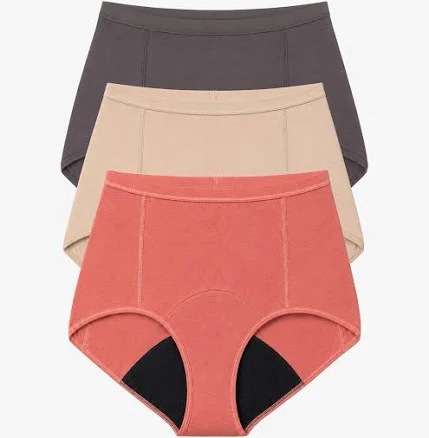
Lunapads
3-Pack BOOST Brief
- organic cotton blend, water-resistant gusset
- The brand calls it PFAS-free, which we have not verified
- Microplastic shedding from water-resistant barrier
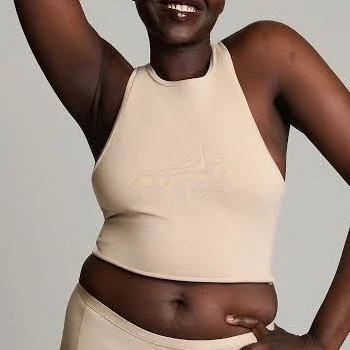
Aisle
Super Hipster
- Organic cotton, wood pulp fiber
- The brand calls it PFAS-free, which we have not verified
- Azo dyes and synthetic dyes
2 hazards checked on this product. See all of them.
More period underwear grades
How we score, every product runs through the same public 0-100 rubric based on materials, coatings, brand disclosure, lab findings, and recalls. See the full methodology → Spotted a mistake? Report an error.