HydroJug · Portable Water Bottles
Mini Jug 32 oz Water Bottle
Lower concern water bottle; Tritan not known to contain PFAS.
HydroJug Mini uses Tritan copolyester, a BPA-free plastic with no established PFAS concerns. Brand makes no PFAS claims or disclosures.
We flunk more products than we pass. This one earned its grade. How we grade
Material
Tritan copolyester plastic
Brand disclosure
Brand is silent on PFAS
Lab data
No public lab test
You may also be interested in
Top-graded picks in the categories readers replace first, every one scored on the same rubric.

- polypropylene filter housing, carbon/sediment cartridge
- We found no PFAS statement from the brand
- Bacterial growth in spent cartridges
3 hazards checked on this product, all on its full breakdown.

Aquasure
Premier Series 75 GPD Under Sink Reverse Osmosis Water Filtration System
- RO membrane, carbon filters, stainless steel housing
- We found no PFAS statement from the brand
- Bacterial and microbial growth in housing and filters
4 hazards checked on this product, all on its full breakdown.

Avocado
Vegan Mattress
- organic cotton, natural latex, coconut coir, recycled steel coils
- The brand calls it PFAS-free, which we have not verified
- Heavy metals
2 hazards checked on this product, all on its full breakdown.
What Mini Jug 32 oz Water Bottle is made of, ingredients and materials
HydroJug Mini Jug is made from Tritan copolyester, a BPA-free engineered plastic designed to resist hydrolysis and maintain clarity over repeated use cycles. Tritan is not known to contain or leach PFAS, phthalates, or BPA under normal drinking conditions. The material was developed as an alternative to polycarbonate and acrylic, and is approved for food contact by the FDA. Over time, like all plastics, it can accumulate microscopic wear, scratches, and microfractures if not handled gently.
What’s concerning
Category baseline
The starting point for this type of product, before anything specific to this product is counted.
No PFAS disclosure
No public statement from the brand about PFAS in this product.
Microplastic shedding from surface degradation
Like all plastics, Tritan can shed microparticles if scratched, cracked, or degraded by heat or UV exposure. This is a wear-related concern common to all plastic water bottles, not unique to this brand or material.
Lid or closure material hazards
The lid material (rubber gasket, silicone seal, or plastic components) is not specified in available product information. Common lid materials can occasionally shed particles or absorb flavor compounds; maintenance and replacement of worn seals is standard practice.
What’s reassuring
Base material not linked to PFAS
The main material recorded for this product is not one associated with PFAS.
BPA & bisphenols
Tritan copolyester is formulated without BPA or BPS. No published reports of these compounds leaching from HydroJug Mini Jug under normal use.
Source, FDA ↗Phthalate migration
Tritan does not typically contain phthalate plasticizers; none are known to be present in this product formulation or documented in independent testing.
Chemical leaching from coating or adhesives
No specific coatings, enamels, or thermal liners are identified in the known product specifications. The bottle material itself is the primary contact surface; standard manufacturing adhesives in the cap seal are not documented as a known hazard source.
How is this PFAS grade calculated?
The brand's record and disclosure
HydroJug maintains a public stance emphasizing BPA-free and durable design but does not publish transparency reports on chemical testing, ingredient sourcing, or third-party certifications. No significant product recalls or chemical safety controversies are established in the public record for this brand. The company does not disclose PFAS testing results or manufacturing practices in publicly available materials, though the choice of Tritan itself is consistent with lower PFAS risk.
How it compares in its category
Tritan copolyester water bottles sit in the mid-tier of safety profile compared to glass, stainless steel, and other plastics. They avoid known leaching hazards associated with polycarbonate (BPA) and older acrylic formulations, but still require proper care to avoid degradation. Many competitors offer similar Tritan formulations; HydroJug's 32 oz capacity and design are standard for reusable plastic bottles. Some higher-end brands (e.g., hydro-flask-type vessels) use stainless steel to eliminate plastic contact entirely, while budget alternatives may use lower-cost plastics with less longevity data.
If you buy it
Hand wash or use dishwasher-safe cycle; avoid prolonged exposure to temperatures above 50 degrees Celsius (122 degrees Fahrenheit) to prevent stress-cracking and accelerated polymer breakdown. Replace the bottle if visible cracks, cloudiness, or persistent odor develops, as these indicate surface degradation that may increase microplastic shedding. Do not use with hot beverages or fill immediately after boiling water. Store in a cool, dry place away from direct sunlight, which can embrittle plastics over time.
What is not known about PFAS in this product?
- Basis
- Model estimate, 72% confidence, not a lab result
- Lab test
- None on record for this exact product
- Brand statement
- HydroJug has made none
Formulations change between production runs, so check the current label. How we grade.
What are the PFAS-free alternatives to Mini Jug 32 oz Water Bottle?
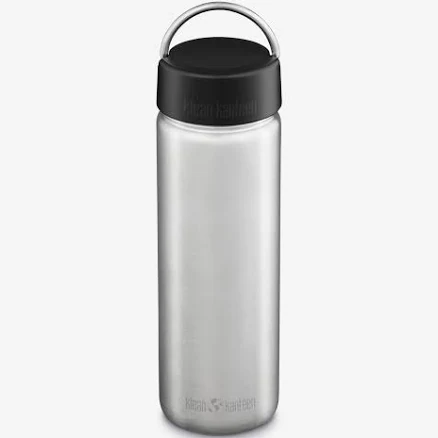
- 18/8 stainless steel, no interior coating
- The brand calls it PFAS-free, which we have not verified
- Cap or closure contamination
2 hazards checked on this product, all on its full breakdown.
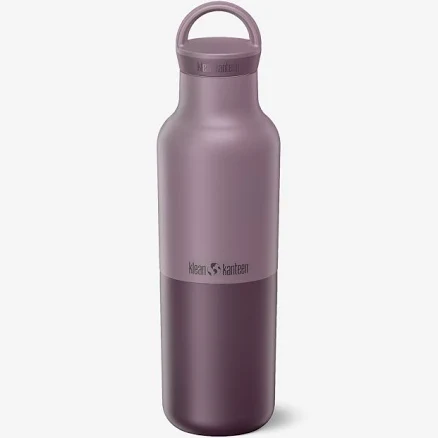
- stainless steel body, foam insulation, stainless steel cap
- The brand calls it PFAS-free, which we have not verified
- Cap gasket and seal contamination
- Stainless steel body, no coating disclosed
- We found no PFAS statement from the brand
- Bacterial or mold growth in storage
3 hazards checked on this product, all on its full breakdown.
More portable water bottles grades
How we score, every product runs through the same public 0-100 rubric based on materials, coatings, brand disclosure, lab findings, and recalls. See the full methodology → Spotted a mistake? Report an error.