Reduce · Portable Water Bottles
Cold1 30 oz Insulated Water Bottle
Lower concern; standard insulated bottle with no known PFAS risk.
Reduce Cold1 is a double-wall stainless steel insulated bottle with no disclosed coatings or treatments. No PFAS claims found, but stainless steel construction presents lower PFAS concern.
We flunk more products than we pass. This one earned its grade. How we grade
Material
Double-wall stainless steel
Brand disclosure
Brand is silent on PFAS
Lab data
No public lab test
You may also be interested in
Top-graded picks in the categories readers replace first, every one scored on the same rubric.

- polypropylene filter housing, carbon/sediment cartridge
- We found no PFAS statement from the brand
- Bacterial growth in spent cartridges
3 hazards checked on this product, all on its full breakdown.

Aquasure
Premier Series 75 GPD Under Sink Reverse Osmosis Water Filtration System
- RO membrane, carbon filters, stainless steel housing
- We found no PFAS statement from the brand
- Bacterial and microbial growth in housing and filters
4 hazards checked on this product, all on its full breakdown.

Avocado
Vegan Mattress
- organic cotton, natural latex, coconut coir, recycled steel coils
- The brand calls it PFAS-free, which we have not verified
- Heavy metals
2 hazards checked on this product, all on its full breakdown.
What Cold1 30 oz Insulated Water Bottle is made of, ingredients and materials
The Cold1 is constructed from double-wall stainless steel, a food-grade metal alloy that does not require protective coatings or liners to contain liquids safely. Stainless steel is inert with water and most beverages at normal use temperatures, meaning no leaching of lead, cadmium, or aluminum into contents. The double-wall design provides insulation through an air gap, not chemical additives or foam, eliminating off-gassing risk.
What’s concerning
Category baseline
The starting point for this type of product, before anything specific to this product is counted.
No PFAS disclosure
No public statement from the brand about PFAS in this product.
Lid and seal polymer hazards
The lid and internal gaskets likely contain plastic polymers (polypropylene, silicone, or polyester); material composition of these parts is not specified in public product information. Seals are not food-contacting at high temperatures in typical use, but long-term degradation should be monitored.
Bacterial growth and maintenance
The insulation air gap itself cannot harbor bacteria, but the lid, gaskets, and interior threads can accumulate buildup if not cleaned regularly. Double-wall construction does not inherently prevent maintenance issues; proper care is required.
What’s reassuring
Base material not linked to PFAS
The main material recorded for this product is not one associated with PFAS.
Coating degradation and food contact
Double-wall stainless steel bottles do not rely on applied coatings or enamels for food safety; the material itself is the barrier. No chipping, peeling, or corrosion hazards specific to this product type are established.
Lead
Stainless steel does not leach aluminum, lead, or cadmium into liquids under normal use. Food-grade stainless steel alloys (typically 18/8 or similar) are chemically stable with water and common beverages.
Source, ATSDR ↗Microplastic or degradation when heated
The stainless steel body does not shed microplastics or degrade when exposed to hot beverages. Any polymer lid seals are not typically immersed in hot liquid for extended periods.
How is this PFAS grade calculated?
The brand's record and disclosure
Reduce is known for insulated drinkware and does not prominently advertise third-party certifications (e.g., FDA, NSF) or detailed material sourcing on publicly available records. The brand has not published a dedicated PFAS statement; however, the product itself shows lower PFAS concern based on material type. No significant safety recalls or controversies linked to this specific model are on record.
How it compares in its category
Double-wall stainless steel bottles are among the lowest-hazard options in the insulated drinkware category, avoiding coating-related risks present in some ceramic-lined or plastic-lined competitors. Most commercial alternatives (plastic polymer bottles, metal bottles with polymer liners) introduce either plastic leaching or Teflon-type coating/coating degradation as concerns; stainless steel avoids both. Durability and material inertness make this a typical choice for safety-conscious consumers.
If you buy it
Stainless steel is durable and does not require special temperature limits for everyday use; hot and cold beverages are low concern. Inspect the bottle annually for dents or damage to the outer wall, which could compromise the insulation seal but not safety. Clean with mild soap and water; the interior is not prone to buildup if rinsed regularly. If the lid contains polymer seals or gaskets, inspect and replace if visibly degraded or after 2-3 years of heavy use.
What is not known about PFAS in this product?
- Basis
- Model estimate, 72% confidence, not a lab result
- Lab test
- None on record for this exact product
- Brand statement
- Reduce has made none
Formulations change between production runs, so check the current label. How we grade.
What are the PFAS-free alternatives to Cold1 30 oz Insulated Water Bottle?
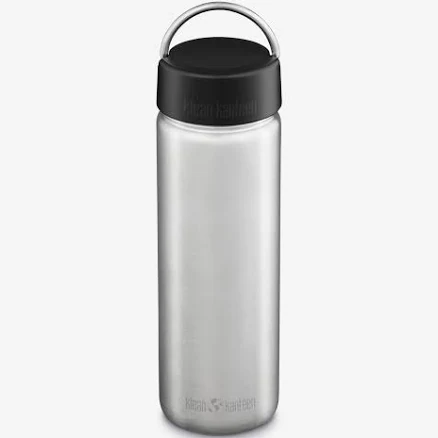
- 18/8 stainless steel, no interior coating
- The brand calls it PFAS-free, which we have not verified
- Cap or closure contamination
2 hazards checked on this product, all on its full breakdown.
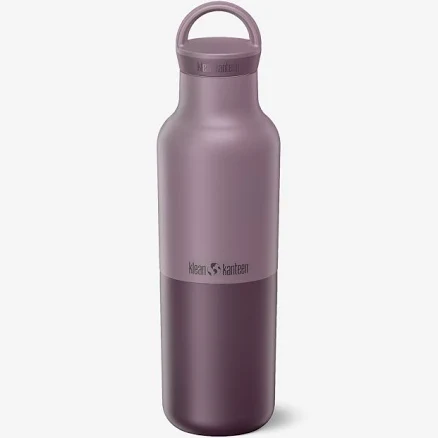
- stainless steel body, foam insulation, stainless steel cap
- The brand calls it PFAS-free, which we have not verified
- Cap gasket and seal contamination
- Stainless steel body, no coating disclosed
- We found no PFAS statement from the brand
- Bacterial or mold growth in storage
3 hazards checked on this product, all on its full breakdown.
More portable water bottles grades
How we score, every product runs through the same public 0-100 rubric based on materials, coatings, brand disclosure, lab findings, and recalls. See the full methodology → Spotted a mistake? Report an error.