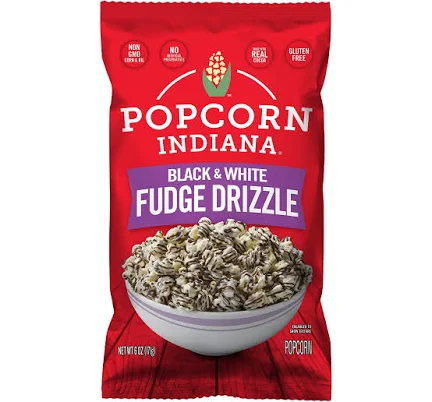
Popcorn Indiana · Microwave Popcorn
Popcorn Indiana Black & White Fudge Drizzle Popcorn
Grease-resistant packaging commonly contains PFAS. No brand disclosure available.
Popcorn bag likely coated for grease resistance, a common PFAS vector. Indy Pop makes no public statement on PFAS content. Request transparency or choose uncoated alternatives.
The better-graded swap
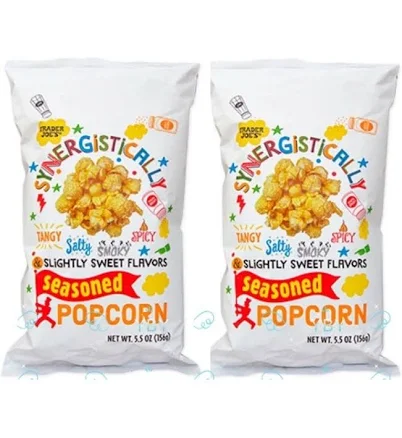
Trader Joe's
2 Packs Trader Joe's Synergistically Seasoned Popcorn 5.5 Oz Each Pack
70/100 safety
Same rubric that flunked this product. The swap earned Good.
Still want this one anyway? Check the price on Amazon. We’d swap it.
Material
Paper-based popcorn bag with grease-resistant coating
Brand disclosure
Brand is silent on PFAS
Lab data
No public lab test
You may also be interested in
Top-graded picks in the categories readers replace first, every one scored on the same rubric.

- polypropylene filter housing, carbon/sediment cartridge
- We found no PFAS statement from the brand
- Bacterial growth in spent cartridges
3 hazards checked on this product, all on its full breakdown.

Aquasure
Premier Series 75 GPD Under Sink Reverse Osmosis Water Filtration System
- RO membrane, carbon filters, stainless steel housing
- We found no PFAS statement from the brand
- Bacterial and microbial growth in housing and filters
4 hazards checked on this product, all on its full breakdown.

Avocado
Vegan Mattress
- organic cotton, natural latex, coconut coir, recycled steel coils
- The brand calls it PFAS-free, which we have not verified
- Heavy metals
2 hazards checked on this product, all on its full breakdown.
What Popcorn Indiana Black Drizzle Popcorn is made of, ingredients and materials
Popcorn Indiana Black & White Fudge Drizzle popcorn is packaged in a paper-based bag with a grease-resistant coating designed to prevent oil and chocolate fudge from seeping through. This type of coating commonly relies on fluorinated compounds (PFAS) to achieve water and oil repellency. The popcorn itself is a ready-to-eat snack with chocolate drizzle coating, but the packaging material is the primary safety consideration here rather than the food contents.
What’s concerning
Waterproof / stain-resistant treatment
Water-repellent coating treatments have historically used PFAS.
Category baseline
The starting point for this type of product, before anything specific to this product is counted.
No PFAS disclosure
No public statement from the brand about PFAS in this product.
PFAS
Paper-based snack bags with grease barriers almost always contain fluorinated compounds (PFAS). No public test data or independent analysis of this specific product's coating is available, but the material class carries high probability of PFAS presence. Indy Pop's silence on formulation supports this assessment.
Source, ATSDR ↗Coating degradation and particulate transfer
Over time or with heat exposure, polymer coatings on food-contact paper can degrade and potentially shed microparticles into the product. This is uncommon in normal storage but increases risk if bags are stored above 70°F or exposed to sunlight for extended periods.
Migration of coating components to food
Grease-resistant coatings can leach into fatty or oily foods under certain conditions. The fudge chocolate drizzle on this popcorn is a lipophilic medium that could theoretically increase coating-to-food transfer; however, migration at consumer-safe levels is unlikely under standard storage unless temperatures exceed 80°F.
What’s reassuring
Formaldehyde / VOCs
No recalls or reports link Popcorn Indiana bags to formaldehyde off-gassing or VOC emissions. Paper bags in snack food typically receive minimal chemical treatment beyond water resistance and grease barriers.
Source, ATSDR ↗Heavy metals
The chocolate fudge drizzle itself has not been subject to independent heavy metal testing or contamination reports for this product. Popcorn Indiana is a mainstream consumer brand subject to FDA oversight; no specific safety incidents are documented.
Source, FDA ↗How is this PFAS grade calculated?
The brand's record and disclosure
Indy Pop (Popcorn Indiana) has not publicly disclosed the specific composition of its bag coatings or taken a stated position on PFAS reduction. No major recalls or safety controversies specific to this brand's packaging are on record. The brand's silence on grease-resistant coating chemistry is typical for the popcorn and snack industry, where PFAS-containing food-contact papers remain standard practice without mandatory labeling.
How it compares in its category
Most mass-market popcorn bags use identical PFAS-based grease barriers, making this product representative of the category rather than an outlier. Premium or eco-conscious popcorn brands may use alternative coatings (starch-based or silicon-based), but these are less common in conventional retail snack aisles. Buying unpackaged popcorn from bulk bins or using glass containers for homemade popcorn eliminates this packaging hazard entirely.
If you buy it
Store the bag in a cool, dry place away from heat or direct sunlight, as elevated temperatures can increase coating degradation. Do not microwave popcorn in the original bag if the coating shows visible damage or peeling. Avoid prolonged contact of the bag lining with greasy residues by transferring popcorn to an airtight container for storage. If PFAS exposure concerns you, this product's packaging is a significant consideration; switching to popcorn kernels you pop at home eliminates this route of exposure.
What is not known about PFAS in this product?
- Basis
- Model estimate, 45% confidence, not a lab result
- Lab test
- None on record for this exact product
- Brand statement
- Popcorn Indiana has made none
Formulations change between production runs, so check the current label. How we grade.
What are the PFAS-free alternatives to Popcorn Indiana Black & White Fudge Drizzle Popcorn?
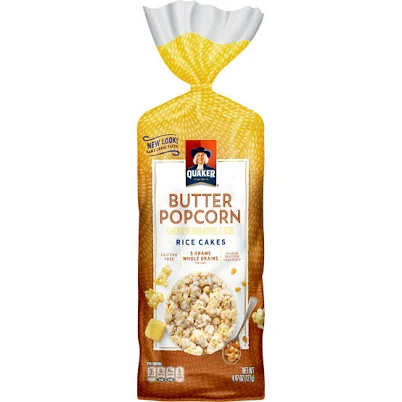
- puffed rice cakes in paperboard packaging
- We found no PFAS statement from the brand
- Mold or bacterial growth in packaging
- paperboard popcorn bag, grease-resistant interior lining
- We found no PFAS statement from the brand
- Moisture and mold risk if bag is compromised
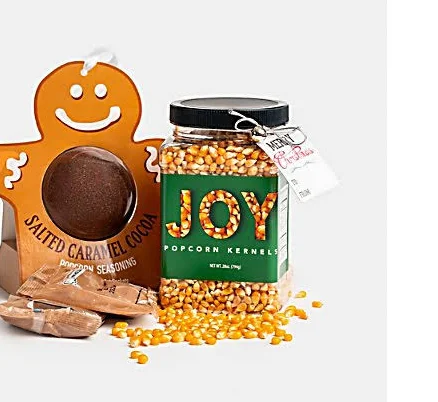
- paper-based food packaging with standard coating
- We found no PFAS statement from the brand
- Ink migration (printing on exterior or interior)
3 hazards checked on this product, all on its full breakdown.
More microwave popcorn grades
How we score, every product runs through the same public 0-100 rubric based on materials, coatings, brand disclosure, lab findings, and recalls. See the full methodology → Spotted a mistake? Report an error.