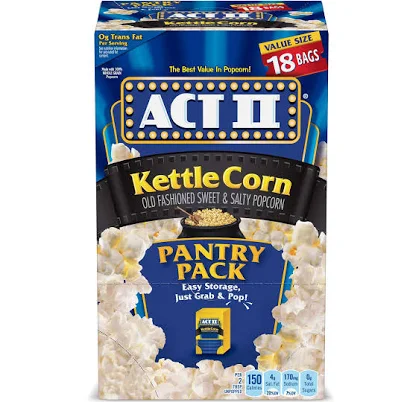
Act II Kettle Corn Microwave Popcorn
Microwave popcorn bags often use grease-resistant coatings; composition unclear.
The brand does not disclose PFAS use in bag coatings. Microwave popcorn packaging commonly employs water and grease barriers that may contain PFAS, though specific formulation unknown.
The better-graded swap
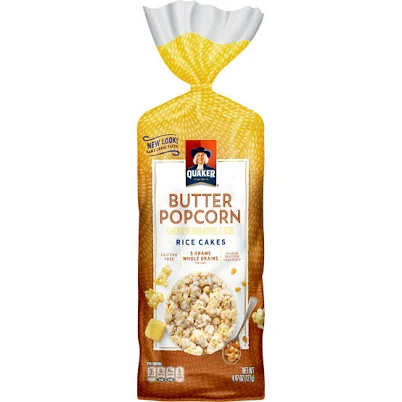
Quaker
Quaker Butter Popcorn Rice Cakes
70/100 safety
Same rubric that flunked this product. The swap earned Good.
Still want this one anyway? Check the price on Amazon. We’d swap it.
Material
paper bag with grease-resistant coating
Brand disclosure
Brand is silent on PFAS
Lab data
No public lab test
You may also be interested in
Top-graded picks in the categories readers replace first, every one scored on the same rubric.

- polypropylene filter housing, carbon/sediment cartridge
- We found no PFAS statement from the brand
- Bacterial growth in spent cartridges
3 hazards checked on this product, all on its full breakdown.

Aquasure
Premier Series 75 GPD Under Sink Reverse Osmosis Water Filtration System
- RO membrane, carbon filters, stainless steel housing
- We found no PFAS statement from the brand
- Bacterial and microbial growth in housing and filters
4 hazards checked on this product, all on its full breakdown.

Avocado
Vegan Mattress
- organic cotton, natural latex, coconut coir, recycled steel coils
- The brand calls it PFAS-free, which we have not verified
- Heavy metals
2 hazards checked on this product, all on its full breakdown.
What Act II Kettle Corn Microwave Popcorn is made of, ingredients and materials
Kettle Corn bags are paper lined with a grease-resistant coating designed to prevent oil saturation during microwaving and storage. The specific chemical composition of this coating is not publicly disclosed by the manufacturer, but microwave popcorn bags in this category typically use fluorinated compounds (PFAS) or oleophobic polymers to repel fats. The bag's interior coating contacts heated butter/oil flavoring and reaches elevated temperatures (over 100 degrees Celsius during popping), which can increase migration of coating chemicals into the food or release as vapor inhalation.
What’s concerning
Waterproof / stain-resistant treatment
Water-repellent coating treatments have historically used PFAS.
Category baseline
The starting point for this type of product, before anything specific to this product is counted.
No PFAS disclosure
No public statement from the brand about PFAS in this product.
PFAS
Microwave popcorn bag coatings are a known PFAS source; this product does not disclose its coating chemistry, and industry-wide practice suggests fluorinated compounds are probable. Heat and agitation during microwaving increase migration risk.
Source, ATSDR ↗Coating migration from heat
The bag interior reaches 100+ degrees Celsius during popping, and the coating contacts heated butter flavoring (fat solvent). Non-PFAS polymer coatings may also leach small amounts of oligomers or additives under these conditions, though data specific to the brand is not publicly available.
Inhalation of coating volatiles
Microwave heating may cause coating components to vaporize or aerosolize, especially if the bag is torn or overheated. Direct inhalation of warm vapors immediately after microwaving is the primary exposure route, though quantified risk is not established for this brand.
What’s reassuring
Ink or adhesive leachables (packaging printing)
No specific contamination has been reported in bags. Standard food-contact inks and adhesives used in microwave popcorn packaging are regulated by FDA and generally pose low risk if the bag is used unopened and unmodified.
Microbial or physical contamination in bulk product
Popcorn kernels themselves are not known to carry elevated mold, aflatoxin, or pest residues. Standard manufacturing and storage practices apply; no recalls for biological hazard in this product line are on record.
How is this PFAS grade calculated?
The brand's record and disclosure
Kettle Korn (owned by ConAgra) has not publicly disclosed the chemical identity of its bag coatings or committed to PFAS phase-out, despite industry awareness of these chemicals since at least 2016. No major safety recalls specifically linked to this product's packaging have been documented in FDA or CPSC records. The brand does not market 'PFAS-free' or provide transparency on grease-resistant coating ingredients, placing it in the silent/non-responsive category relative to competitors like Orville Redenbacher, which has made vague sustainability commitments.
How it compares in its category
Most conventional microwave popcorn bags (Orville Redenbacher, Pop-Secret, the brand) use similar grease-resistant coatings with unclear PFAS status. Alternatives with lower chemical risk include stovetop popcorn in paper or bulk kernels, air-popped machines (no bag exposure), or brands explicitly marketing PFAS-free bags (niche suppliers, often pricier and harder to verify). Standard microwave popcorn remains a common compromise product; The brand is typical for its category rather than notably worse or better in disclosed safety profile.
If you buy it
Use only as directed, do not perforate, tear, or custom-heat bags beyond package instructions, as this increases coating contact with food and inhalation of fumes. Avoid breathing vapors directly over the bag immediately after microwaving; allow steam to dissipate in open air. Do not reuse bags or store unpopped kernels in them long-term. If PFAS exposure is a household concern (e.g., pregnancy, young children, high fish consumption), consider lower-risk alternatives such as air-popping or stove-top methods that avoid coated packaging entirely.
What is not known about PFAS in this product?
- Basis
- Model estimate, 45% confidence, not a lab result
- Lab test
- None on record for this exact product
- Brand statement
- has made none
Formulations change between production runs, so check the current label. How we grade.
What are the PFAS-free alternatives to Act II Kettle Corn Microwave Popcorn?
- puffed rice cakes in paperboard packaging
- We found no PFAS statement from the brand
- Mold or bacterial growth in packaging
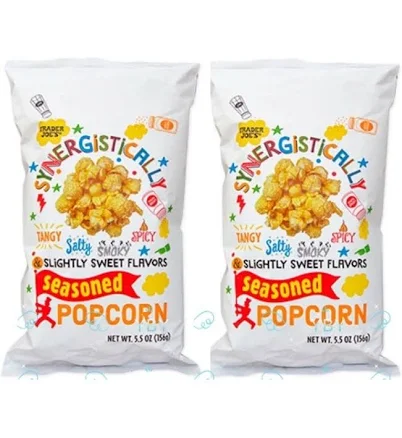
- paperboard popcorn bag, grease-resistant interior lining
- We found no PFAS statement from the brand
- Moisture and mold risk if bag is compromised
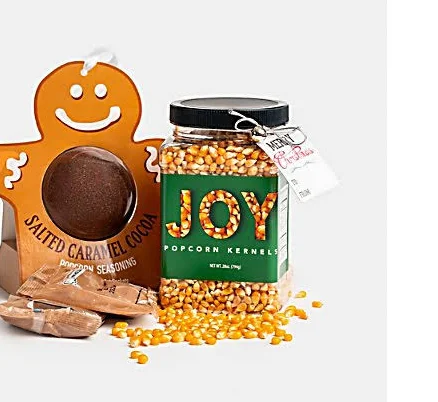
- paper-based food packaging with standard coating
- We found no PFAS statement from the brand
- Ink migration (printing on exterior or interior)
3 hazards checked on this product, all on its full breakdown.
More microwave popcorn grades
How we score, every product runs through the same public 0-100 rubric based on materials, coatings, brand disclosure, lab findings, and recalls. See the full methodology → Spotted a mistake? Report an error.