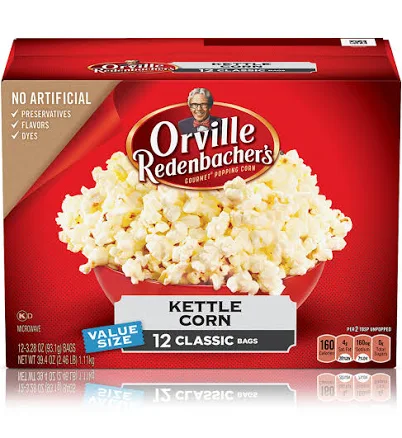
Orville Redenbacher's Kettle Corn Microwave Popcorn
Skip until brand discloses PFAS status of bag coating.
Orville Redenbacher microwave popcorn bags likely contain grease-resistant fluorochemical coatings typical of the category, but the brand makes no public PFAS disclosure. Lab data unavailable.
The better-graded swap

Wabash Valley
Wabash Valley Farms Sweet
70/100 safety
Same rubric that flunked this product. The swap earned Good.
Still want this one anyway? Check the price on Amazon. We’d swap it.
Material
paper/paperboard popcorn bag with grease-resistant coating
Brand disclosure
Brand is silent on PFAS
Lab data
No public lab test
You may also be interested in
Top-graded picks in the categories readers replace first, every one scored on the same rubric.

- polypropylene filter housing, carbon/sediment cartridge
- We found no PFAS statement from the brand
- Bacterial growth in spent cartridges
3 hazards checked on this product, all on its full breakdown.

Aquasure
Premier Series 75 GPD Under Sink Reverse Osmosis Water Filtration System
- RO membrane, carbon filters, stainless steel housing
- We found no PFAS statement from the brand
- Bacterial and microbial growth in housing and filters
4 hazards checked on this product, all on its full breakdown.

Avocado
Vegan Mattress
- organic cotton, natural latex, coconut coir, recycled steel coils
- The brand calls it PFAS-free, which we have not verified
- Heavy metals
2 hazards checked on this product, all on its full breakdown.
What Orville Redenbacher's Kettle Corn Popcorn is made of, ingredients and materials
Kettle Corn microwave popcorn is sold in a paper/paperboard bag lined with a grease-resistant coating to prevent oil migration and maintain product freshness during storage and heating. This coating is typically a fluorochemical polymer (PFAS-based), which resists both water and oil but does not break down in the environment or your body. When the bag is heated in a microwave, the coating can migrate into the popcorn, especially the oily kernels, at rates that increase with temperature and time.
What’s concerning
Waterproof / stain-resistant treatment
Water-repellent coating treatments have historically used PFAS.
Category baseline
The starting point for this type of product, before anything specific to this product is counted.
No PFAS disclosure
No public statement from the brand about PFAS in this product.
PFAS
FDA and academic studies confirm that microwave heating of PFAS-lined popcorn bags causes fluorochemicals to migrate into the food, particularly the oily popcorn kernels. Long-term accumulation in the body is a concern; The brand does not disclose whether it uses legacy or newer formulations.
Source, ATSDR ↗Thermal degradation of coating polymers
Paper-based food packaging coatings can break down under repeated or prolonged microwave heat, potentially releasing unidentified polymer fragments or unreacted precursor chemicals into the food.
Microplastics
If the Teflon-family coating degrades or flakes during heating or storage, microscopic particles may end up in the popcorn; the frequency and health impact of this pathway are not well quantified for this specific product.
Source, EPA ↗Residual monomers and processing aids in coating
Manufacturing of PFAS-based polymers can leave trace unreacted fluorochemicals or surfactants in the coating matrix; these may leach at low levels during use, though brand-specific data is not publicly available.
Lack of packaging transparency
The brand does not list the specific grease-barrier chemistry on the package or website, preventing consumers from making an informed choice and indicating a broader industry practice of concealing known PFAS use.
How is this PFAS grade calculated?
The brand's record and disclosure
Parent company (now owned by Conagra Brands) has not made public commitments to disclose or eliminate PFAS from popcorn bag coatings, nor has the brand responded to consumer inquiries about coating chemistry. The popcorn industry as a whole has faced FDA scrutiny over PFAS migration from microwave bag linings since at least 2016, yet most brands, including this one, continue to use legacy formulations without transparent ingredient labeling. No major certifications (organic, non-GMO verified, etc.) cover PFAS avoidance in packaging.
How it compares in its category
Most microwave popcorn bags on the market still use PFAS-based grease barriers; this product is not exceptional in that regard but also not ahead of lower-concern alternatives. Stovetop popcorn (kernels in a pot or air popper) avoids the bag-coating issue entirely. A small number of brands now use non-fluorinated grease barriers or paper-only bags, though availability is limited; these represent a lower-concern option if sourcing friction is acceptable.
If you buy it
Do not rely on this as a routine snack; reserve it for occasional use only. Follow microwave time instructions precisely and avoid overheating, as longer heating increases PFAS migration risk. Store unopened bags away from heat and sunlight, as environmental stress can accelerate coating breakdown. Consider stovetop popcorn or air-popped alternatives as your primary option to reduce cumulative PFAS exposure from food packaging.
What is not known about PFAS in this product?
- Basis
- Model estimate, 45% confidence, not a lab result
- Lab test
- None on record for this exact product
- Brand statement
- has made none
Formulations change between production runs, so check the current label. How we grade.
What are the PFAS-free alternatives to Orville Redenbacher's Kettle Corn Microwave Popcorn?
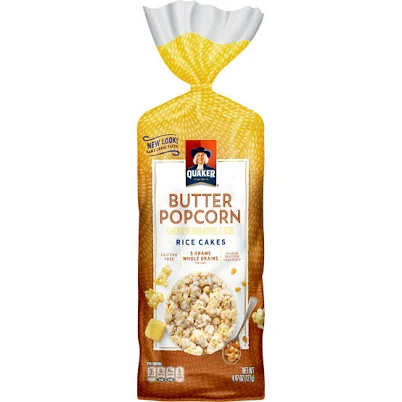
- puffed rice cakes in paperboard packaging
- We found no PFAS statement from the brand
- Mold or bacterial growth in packaging
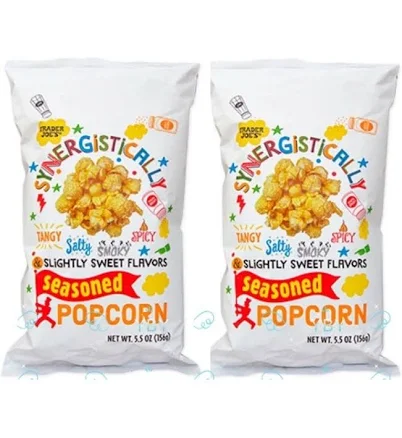
- paperboard popcorn bag, grease-resistant interior lining
- We found no PFAS statement from the brand
- Moisture and mold risk if bag is compromised
- paper-based food packaging with standard coating
- We found no PFAS statement from the brand
- Ink migration (printing on exterior or interior)
3 hazards checked on this product, all on its full breakdown.
More microwave popcorn grades
How we score, every product runs through the same public 0-100 rubric based on materials, coatings, brand disclosure, lab findings, and recalls. See the full methodology → Spotted a mistake? Report an error.