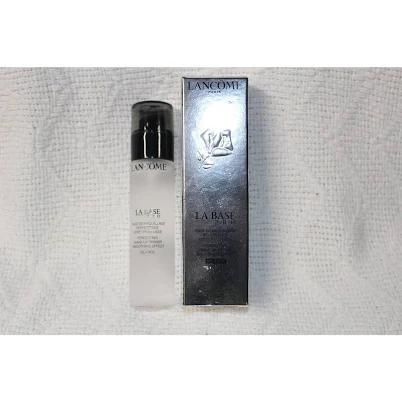
Lancome La Base Pro Perfecting Makeup Primer Smoothing Effect
Insufficient data; Lancôme does not disclose PFAS status for this primer.
Lancôme's La Base Pro primer contains typical cosmetic ingredients like silicone and glycerin with no public PFAS disclosure. No lab testing or third-party certification available to assess risk.
The better-graded swap
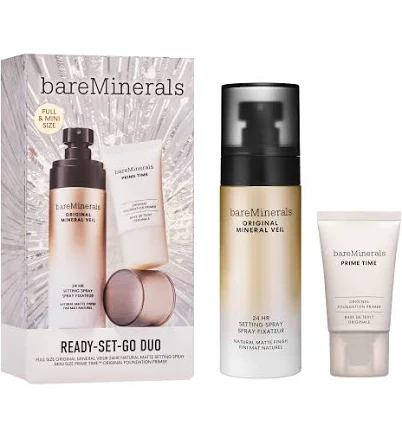
Bare Minerals
bareMinerals Ready-Set-Go Prime & Set Duo
100/100 safety
Same rubric that flunked this product. The swap earned Excellent.
Still want this one anyway? Check the price on Amazon. We’d swap it.
Material
silicone base, mineral pigments, glycerin
Brand disclosure
Brand is silent on PFAS
Lab data
No public lab test
You may also be interested in
Top-graded picks in the categories readers replace first, every one scored on the same rubric.

- polypropylene filter housing, carbon/sediment cartridge
- We found no PFAS statement from the brand
- Bacterial growth in spent cartridges
3 hazards checked on this product, all on its full breakdown.

Aquasure
Premier Series 75 GPD Under Sink Reverse Osmosis Water Filtration System
- RO membrane, carbon filters, stainless steel housing
- We found no PFAS statement from the brand
- Bacterial and microbial growth in housing and filters
4 hazards checked on this product, all on its full breakdown.

Avocado
Vegan Mattress
- organic cotton, natural latex, coconut coir, recycled steel coils
- The brand calls it PFAS-free, which we have not verified
- Heavy metals
2 hazards checked on this product, all on its full breakdown.
What Lancome La Base Pro Smoothing Effect is made of, ingredients and materials
This primer is silicone-based, which means it forms a water-resistant film across skin to smooth texture and extend makeup wear. Silicones are not absorbed systemically and are widely regarded as inert on skin. The product contains mineral pigments (likely iron oxides or mica) and glycerin, a humectant that draws moisture to the skin. None of these ingredients are known dermal penetrators or systemic toxins at the concentrations typical in cosmetics.
What’s concerning
Category baseline
The starting point for this type of product, before anything specific to this product is counted.
No PFAS disclosure
No public statement from the brand about PFAS in this product.
Fragrance allergens
Product name and Lancôme's typical formulations suggest fragrance is included for sensory appeal. Specific fragrance components are not disclosed on label; undisclosed fragrance allergens can trigger contact dermatitis or respiratory sensitivity in susceptible individuals.
Heavy metals
Mineral pigments (iron oxides, mica) can contain trace contaminants of lead or cadmium depending on ore source and refining. Lancôme does not publicly disclose heavy-metal testing limits or results for this primer; risk is low but not independently verified.
Source, FDA ↗1,4-dioxane (preservative byproduct)
Silicone primers may use ethoxylated preservatives or emulsifiers that can contain trace 1,4-dioxane as a manufacturing byproduct. Lancôme does not disclose whether their production process removes or limits this contaminant, though EU regulations cap allowable levels.
What’s reassuring
Formaldehyde / VOCs
Silicone and mineral-based primers do not typically require formaldehyde-releasing preservatives; modern cosmetics in this category use gentler systems. No formaldehyde-releaser concern is on record for this product class.
Source, ATSDR ↗Talc contamination
Silicone primers do not use talc as a base ingredient. No talc-related concern applies to this product.
How is this PFAS grade calculated?
The brand's record and disclosure
Lancôme is owned by L'Oréal and operates under EU cosmetics regulation where it sells, meaning ingredients are listed and banned substances are excluded. The brand does not publicly disclose PFAS content or absence in its products, which is consistent with broader cosmetics industry silence on this issue. No product-specific recalls or safety warnings for this primer are on record. Lancôme has not pursued third-party certifications like cruelty-free or clean beauty standards that would signal heightened transparency.
How it compares in its category
Silicone-based primers are the dominant category standard and are generally lower-concern than water-based or oil-based alternatives in terms of preservative load and microbial risk. This product occupies the luxury mass-market tier; it carries no material advantage or disadvantage versus drugstore silicone primers in terms of core safety hazards. Mineral pigment primers (as opposed to synthetic dyes) present lower risk for heavy-metal contamination, though Lancôme does not disclose pigment sourcing or testing.
If you buy it
Store at room temperature away from direct sunlight; silicone primers are stable and do not degrade rapidly. Discontinue use if redness, irritation, or rash develops, though contact sensitization to silicones is rare. Replace if the formula separates, smells rancid, or shows signs of mold growth, typically after 12-24 months of use. Patch test on inner arm if you have sensitive or reactive skin, especially if you use multiple silicone products simultaneously.
What is not known about PFAS in this product?
- Basis
- Model estimate, 45% confidence, not a lab result
- Lab test
- None on record for this exact product
- Brand statement
- Lancôme has made none
Formulations change between production runs, so check the current label. How we grade.
What are the PFAS-free alternatives to Lancome La Base Pro Perfecting Makeup Primer Smoothing Effect?
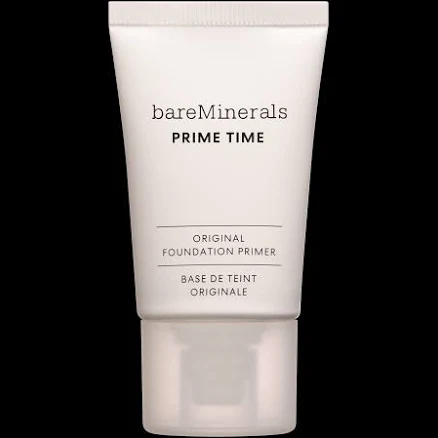
- mineral powder, silicones, mica
- The brand calls it PFAS-free, which we have not verified
- Fragrance allergen sensitization
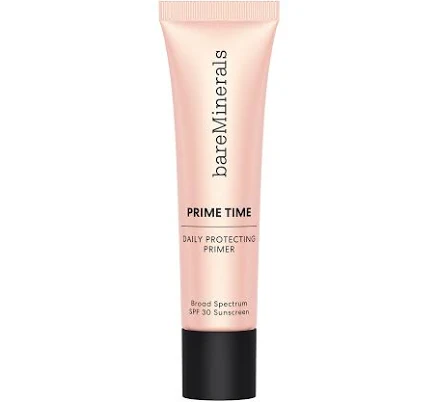
- mineral powder, silica, mica, talc
- The brand calls it PFAS-free, which we have not verified
- Talc inhalation
2 hazards checked on this product, all on its full breakdown.
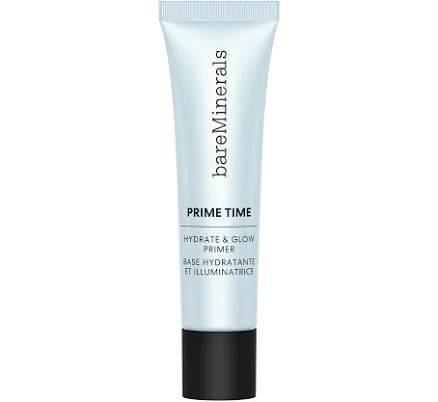
- mineral pigments, glycerin, plant extracts, silicones
- The brand calls it PFAS-free, which we have not verified
- Fragrance allergens and undisclosed fragrance components
2 hazards checked on this product, all on its full breakdown.
More foundation & primer grades
How we score, every product runs through the same public 0-100 rubric based on materials, coatings, brand disclosure, lab findings, and recalls. See the full methodology → Spotted a mistake? Report an error.