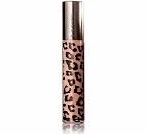
Laura Mercier · Lip Balm & Long-Wear Lipstick
Laura Mercier Lacquer Up Acrylick Lip Varnish
Skip if PFAS-sensitive; no public safety data exists for this product.
Laura Mercier does not disclose PFAS status for this lip varnish. The acrylate lacquer formula itself is not a known PFAS delivery vehicle.
The better-graded swap
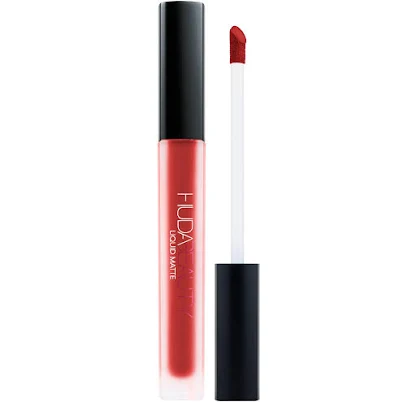
Huda Beauty
Huda Beauty Liquid Matte Lipstick
75/100 safety
Same rubric that flunked this product. The swap earned Excellent.
Still want this one anyway? Check the price on Amazon. We’d swap it.
Material
film-forming resin (acrylate-based lacquer)
Brand disclosure
Brand is silent on PFAS
Lab data
No public lab test
What Laura Mercier Lacquer Up Acrylick Lip is made of, ingredients and materials
Lacquer Up Acrylick is an acrylate-based film-forming resin designed to create a glossy, long-wear finish on lips. Acrylates are synthetic polymers that cure or set through solvent evaporation and cross-linking, forming a durable plastic coating. This chemistry avoids volatile organic solvents that demand extended drying, but the evaporative process during application does release residual solvents and monomers into the immediate environment. The "lacquer" format means faster set-time compared to traditional lipsticks, which can trade off for slightly higher exposure to airborne volatiles during the first few minutes after application.
What’s concerning
Category baseline
The starting point for this type of product, before anything specific to this product is counted.
No PFAS disclosure
No public statement from the brand about PFAS in this product.
Residual acrylate monomers (e.g., methyl methacrylate, acrylates)
Acrylate lacquers may retain unreacted monomers in the cured film or as volatile airborne species during application. Ingestion via lip contact is unlikely to cause acute toxicity at typical use levels, but chronic inhalation during frequent application in poorly ventilated spaces could elevate systemic monomer exposure.
Volatile organic solvent emissions (evaporative phase)
Lacquer formulations rely on organic solvent evaporation for film formation. No specific solvent profile has been disclosed by Laura Mercier for this product, but typical acrylate lacquers contain acetone, ethyl acetate, or ketone solvents that off-gas during and shortly after application.
Fragrance allergens and undisclosed fragrance components
Laura Mercier products typically include fragrance agents; the ingredient list does not break down fragrance compounds. Synthetic fragrances in lip products can trigger contact sensitization or irritation, particularly on the delicate mucous membrane of the lips.
PFAS
Acrylate lacquers designed for long-wear and water-resistance sometimes incorporate PFAS-based additives to improve film durability. Laura Mercier has not disclosed PFAS absence or presence; the grading of 65/100 reflects this transparency gap and suggests precaution for PFAS-sensitive consumers.
Source, ATSDR ↗What’s reassuring
Base material not linked to PFAS
The main material recorded for this product is not one associated with PFAS.
Heavy metals
No recalls or public safety data indicate heavy-metal contamination (lead, cadmium, chromium) in Laura Mercier lip lacquers. Prestige brands typically source synthetic pigments from regulated suppliers, but full third-party verification is not publicly available for this product.
Source, FDA ↗The full breakdown
The brand's record and disclosure
Laura Mercier does not publicly disclose detailed ingredient sourcing, PFAS use, or third-party certifications for this product line. The brand operates under Estee Lauder Companies, which has made some sustainability commitments but has not issued category-specific statements on acrylate lacquers or fluorochemical avoidance in lip products. No recalls or safety alerts have been issued for this specific product. Ingredient transparency remains minimal compared to indie or certified clean beauty brands.
How it compares in its category
Acrylate-based long-wear lip lacquers are standard in prestige beauty; this formulation sits in the mainstream tier between budget brands and high-transparency clean alternatives. Compared to traditional lipsticks (wax and pigment based), lacquers cure faster and tend to be thinner films, which typically means lower overall pigment load and fewer heavy-metal risks per application. Versus water-based or plant-polymer systems marketed as "clean," acrylate resins are synthetic and less biodegradable, but established toxicity data does not support heightened concern for lip-contact exposure.
If you buy it
Apply in a well-ventilated space, especially during the first 2-3 minutes when solvents are actively evaporating; do not apply in enclosed bathrooms or cars. Allow 60-90 seconds of full set time before eating or drinking to minimize ingestion of uncrosslinked monomers. Replace or discard the product if the formula separates, thickens significantly, or develops an off-odor, which can signal breakdown of the acrylate matrix. Lips are a permeable mucous membrane; avoid excessive reapplication (more than 3-4 times daily) to limit cumulative solvent and monomer contact.
What we don’t know
- Basis
- Model estimate, 45% confidence, not a lab result
- Lab test
- None on record for this exact product
- Brand statement
- Laura Mercier has made none
Formulations change between production runs, so check the current label. How we grade.
More lip balm & long-wear lipstick grades
How we score, every product runs through the same public 0-100 rubric based on materials, coatings, brand disclosure, lab findings, and recalls. See the full methodology → Spotted a mistake? Report an error.