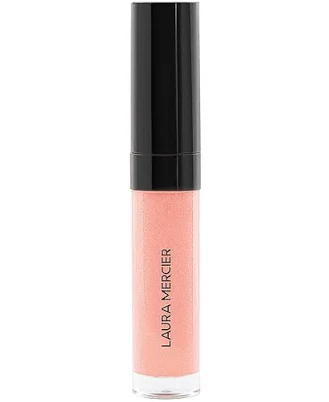
Laura Mercier · Lip Balm & Long-Wear Lipstick
Laura Mercier Lip Glace in Pink
Lower PFAS concern, but Laura Mercier discloses nothing.
This silicone and oil-based cosmetic contains no known PFAS-prone ingredients like water-repellent coatings. Laura Mercier makes no PFAS claims.
We flunk more products than we pass. This one earned its grade. How we grade
Material
Silicone-based glace, oils, waxes
Brand disclosure
Brand is silent on PFAS
Lab data
No public lab test
What Laura Mercier Lip Glace in Pink is made of, ingredients and materials
Laura Mercier Lip Glace is a silicone-based gloss, typically formulated with dimethicone or cyclomethicone as the base, combined with oils (often mineral or plant-derived), waxes, and pigments for color and shine. Silicone polymers are chemically inert once cured and do not migrate into lips or saliva under normal use. The oil and wax components are occlusive and generally recognized as low concern for lip products; the Pink shade relies on approved colorants (iron oxides or mica) rather than synthetic azo dyes, reducing allergenic risk.
What’s concerning
Category baseline
The starting point for this type of product, before anything specific to this product is counted.
No PFAS disclosure
No public statement from the brand about PFAS in this product.
Fragrance allergens and undisclosed fragrance components
Laura Mercier Lip Glace is not marketed as fragrance-free and likely contains fragrance oils or extracts; specific allergen components are not itemized on packaging. Risk is low for most users but real for those with fragrance sensitivity.
What’s reassuring
Base material not linked to PFAS
The main material recorded for this product is not one associated with PFAS.
Lead
Iron oxides and mica used in Pink shades are approved colorants with no reported contamination in Laura Mercier products. FDA-regulated color additives in cosmetics have strict limits.
Source, ATSDR ↗1,4-dioxane (byproduct of ethoxylated ingredients)
Silicone-based and oil-wax formulas do not typically rely on ethoxylated emulsifiers that generate 1,4-dioxane; no public reports of detected 1,4-dioxane in this product line.
Formaldehyde / VOCs
Silicone and wax-based cosmetics do not require formaldehyde preservatives; standard preservative systems in lip glosses (phenoxyethanol, preservative blends) do not release formaldehyde.
Source, ATSDR ↗Migration of silicone monomers or cyclic siloxanes into saliva
High-molecular-weight silicone polymers in lip gloss do not degrade or leach into saliva under normal use; regulatory review has found no evidence of systemic uptake from topical silicone cosmetics.
The full breakdown
The brand's record and disclosure
Laura Mercier does not publish ingredient transparency reports or PFAS avoidance statements as a matter of policy. The brand is owned by Estee Lauder Companies, which has faced no major recalls or safety investigations specifically tied to this lip gloss line. No independent lab reports of heavy-metal contamination in Laura Mercier lip products are publicly available. The brand meets FDA color-additive and cosmetic ingredient regulations but does not exceed them with voluntary third-party certification.
How it compares in its category
Silicone-based glosses like this occupy the mainstream middle ground, less occlusive than wax-heavy balms, more stable than water-based formulas, and less prone to separation than oil-only products. Compared to brands marketing 'clean' or 'non-toxic' alternatives, Laura Mercier discloses less and makes no hypoallergenic or fragrance-free claims. The Pink shade is a standard iron oxide or mica blend, typical across the category and not an elevated allergen risk.
If you buy it
Silicone glosses are stable at room and body temperature and do not degrade into harmful monomers with normal lip contact. Store away from direct heat and sunlight to prevent wax separation, though this affects texture, not safety. Replace every 12-18 months or if the product develops an off smell or visible mold, though shelf life is typically longer. Patch-test on the back of your hand if you have sensitive lips or a history of reaction to cosmetics.
What we don’t know
- Basis
- Model estimate, 72% confidence, not a lab result
- Lab test
- None on record for this exact product
- Brand statement
- Laura Mercier has made none
Formulations change between production runs, so check the current label. How we grade.
More lip balm & long-wear lipstick grades
How we score, every product runs through the same public 0-100 rubric based on materials, coatings, brand disclosure, lab findings, and recalls. See the full methodology → Spotted a mistake? Report an error.