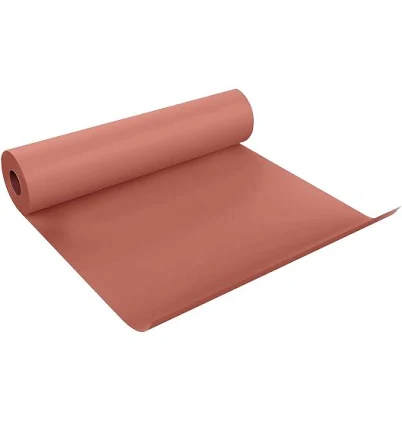
Expert Grill · Deli Meat & Cold Cuts Packaging
Expert Grill Butcher Paper
Butcher paper likely lower PFAS risk, but brand discloses nothing about coating.
Butcher paper is traditionally coated for grease resistance. LEM provides no public PFAS transparency. FDA food-contact approval doesn't exclude PFAS use or contamination.
The better-graded swap
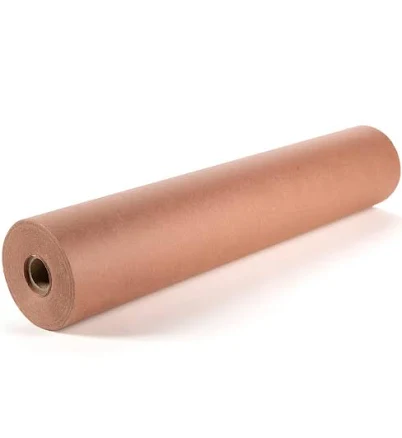
IDL Packaging
Idl Packaging White Butcher Paper 18" x 12000" Natural Butcher Paper Roll for Meat and Fish
95/100 safety
Same rubric that flunked this product. The swap earned Excellent.
Still want this one anyway? Check the price on Amazon. We’d swap it.
Material
kraft paper with FDA-approved food-contact coating
Brand disclosure
Brand is silent on PFAS
Lab data
No public lab test
What Expert Grill Butcher Paper is made of, ingredients and materials
LEM Expert Grill Butcher Paper is kraft paper (cellulose fibers from wood pulp) with an FDA-approved food-contact coating on one side. The coating enables grease and moisture resistance without compromising the paper's breathability, which is intentional for smoking and curing meats. Kraft paper itself is inert at typical food temperatures; the hazard profile depends entirely on the coating composition, which LEM does not publicly disclose in detail.
What’s concerning
Category baseline
The starting point for this type of product, before anything specific to this product is counted.
No PFAS disclosure
No public statement from the brand about PFAS in this product.
Waterproof / stain-resistant treatment
Water-repellent coating treatments have historically used PFAS.
Food-contact coating migration (unidentified chemistry)
LEM does not disclose the coating formulation. While FDA-approved coatings are approved for food contact, unknown additives (plasticizers, slip agents, or processing aids) could migrate to fatty foods at elevated temperatures. Risk is low under normal use but non-zero due to lack of transparency.
Thermal degradation of coating
Prolonged contact with heat above 180°C may cause the coating to soften, flake, or release volatile compounds. Smoking meats at lower temperatures (below 150°C) shows lower concern for coating stability; direct grill heat exposure risks coating failure.
What’s reassuring
Microbial growth in paper substrate
Kraft paper itself is a cellulose substrate that can support mold or bacterial growth if stored damp or used in high-humidity settings. This is a storage and handling issue, not a manufacturing hazard, but relevant for professional kitchens or smokers in humid climates.
Ink or printing residue (if product is printed)
Standard butcher paper is often printed with brand or product information. LEM's packaging does not appear to have inks on the food-contact surface, but any printed roll should be used with the printed side facing outward, away from food, to avoid ink transfer.
Chlorine/bleach residues in paper pulp
Kraft paper is typically produced with chlorine-free or reduced-chlorine pulping. No public record of chlorine residue complaints with LEM butcher paper; standard food-grade papers meet EPA guidelines.
The full breakdown
The brand's record and disclosure
LEM Products is a meat-processing equipment and supplies manufacturer with no documented product safety recalls or regulatory actions on their food wraps. However, the company provides no public statement on PFAS use, intentional or as processing residue, in their coatings. For a product marketed to professional butchers and home smokers handling expensive proteins, the lack of transparency about food-contact coating chemistry is a notable gap compared to premium competitors who explicitly test or certify PFAS-free status.
How it compares in its category
Butcher paper is inherently lower risk than plastic wraps (no BPA/BPS, no phthalates, no microplastic shedding) and better than aluminum foil for acidic or salt-cured foods. Within kraft butcher papers, uncoated products eliminate coating leaching risk entirely but sacrifice moisture barrier; LEM's coated version trades that safety margin for functional convenience. Competitors like Honeager and some generic bulk suppliers offer similar coated kraft without better disclosure, making LEM a category norm rather than an outlier.
If you buy it
Use for ambient and warm food contact (wrapping cooked or cured meats, smoking). Avoid direct flame or temperatures sustained above 180°C (356°F), which may degrade the coating and cause migration. Replace rolls if the coating visibly flakes, cracks, or discolors. Store in a cool, dry place to prevent mold growth in the paper fibers, especially in high-humidity kitchens or smoking operations.
What we don’t know
- Basis
- Model estimate, 68% confidence, not a lab result
- Lab test
- None on record for this exact product
- Brand statement
- Expert Grill has made none
Formulations change between production runs, so check the current label. How we grade.
Better-graded alternatives in Deli Meat & Cold Cuts Packaging
IDL Packaging
White Butcher Paper 18" x 12000" Natural Butcher Paper Roll for Meat and Fish
- natural kraft butcher paper, no coating specified
- The brand calls it PFAS-free, which we have not verified
- Bleach residue and chlorine compounds
2 hazards checked on this product. See all of them.
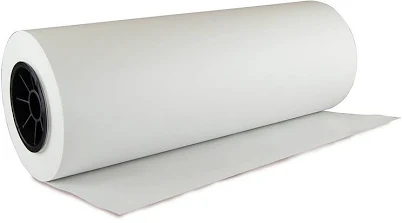
LEM
15" Freezer Paper Cutter
- stainless steel blade, bare metal construction
- We found no PFAS statement from the brand
- Blade degradation and metal particle shedding
2 hazards checked on this product. See all of them.
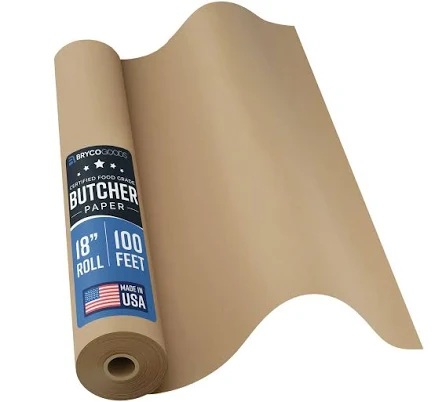
Bryco Goods
White Kraft Butcher Paper Roll 18 Inch x 175 Feet
- kraft paper, unbleached cellulose
- We found no PFAS statement from the brand
- Heavy metals
2 hazards checked on this product. See all of them.
More deli meat & cold cuts packaging grades
How we score, every product runs through the same public 0-100 rubric based on materials, coatings, brand disclosure, lab findings, and recalls. See the full methodology → Spotted a mistake? Report an error.