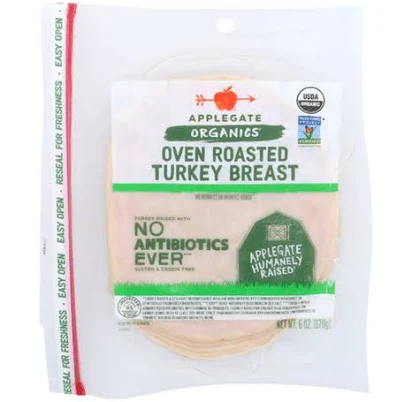
Applegate · Deli Meat & Cold Cuts Packaging
Applegate Organic Roasted Turkey Breast
Lower concern for the product, packaging PFAS risk remains unclear.
Applegate Organic Roasted Turkey Breast is standard processed meat in typical deli wrap. Moisture-resistant deli packaging sometimes uses grease-repelling coatings that may contain PFAS, but Applegate offers no details.
We flunk more products than we pass. This one earned its grade. How we grade
Material
deli meat in plastic/paper composite packaging
Brand disclosure
Brand is silent on PFAS
Lab data
No public lab test
You may also be interested in
Top-graded picks in the categories readers replace first, every one scored on the same rubric.

- polypropylene filter housing, carbon/sediment cartridge
- We found no PFAS statement from the brand
- Bacterial growth in spent cartridges
3 hazards checked on this product, all on its full breakdown.

Aquasure
Premier Series 75 GPD Under Sink Reverse Osmosis Water Filtration System
- RO membrane, carbon filters, stainless steel housing
- We found no PFAS statement from the brand
- Bacterial and microbial growth in housing and filters
4 hazards checked on this product, all on its full breakdown.

Avocado
Vegan Mattress
- organic cotton, natural latex, coconut coir, recycled steel coils
- The brand calls it PFAS-free, which we have not verified
- Heavy metals
2 hazards checked on this product, all on its full breakdown.
What Applegate Organic Roasted Turkey Breast is made of, ingredients and materials
Applegate Organic Roasted Turkey Breast is cured poultry packaged in a composite of plastic and paper designed to maintain freshness and prevent bacterial growth during refrigerated storage. The product itself contains no synthetic nitrates or nitrites (replaced with celery juice concentrate, which provides naturally occurring nitrates), a meaningful reduction from conventional deli turkey. The plastic-paper laminate serves as a moisture and oxygen barrier; composition specifics are not publicly detailed, but industry-standard laminates may include polypropylene or polyethylene layers bonded to paperboard.
What’s concerning
Category baseline
The starting point for this type of product, before anything specific to this product is counted.
No PFAS disclosure
No public statement from the brand about PFAS in this product.
Sodium content and processed-meat health risk
Deli turkey is inherently high in sodium (typically 400-600 mg per 2-oz serving) due to curing and preservation; this is a dietary rather than chemical safety concern. Applegate's organic status does not reduce sodium load relative to conventional competitors.
PFAS
The plastic layer in deli meat packaging may leach small amounts of additives (plasticizers, antioxidants) into fatty meat, especially under temperature stress or extended storage. No specific data exists for Applegate's packaging formulation; risk is consistent with the deli meat category and not elevated or reduced compared to alternatives.
Source, ATSDR ↗Naturally occurring nitrates from celery juice
Celery juice concentrate used in organic curing still provides nitrates that can form nitrosamines under high heat (e.g., frying or broiling). This is a chemical conversion risk, not a contamination issue, and applies equally to all cured deli meats using this curing method.
Allergen cross-contamination in shared facility
Applegate products are processed in facilities that may handle milk, soy, and tree nuts; the label should be checked for allergen warnings. This is a facility-wide risk factor unrelated to packaging or material choice.
What’s reassuring
Base material not linked to PFAS
The main material recorded for this product is not one associated with PFAS.
Microbial contamination from production or packaging breach
No recalls or contamination incidents specific to Applegate deli turkey are on public record. Standard deli meat risks (Listeria, Salmonella) apply if packaging is damaged or storage temperature is compromised, not due to the brand itself.
How is this PFAS grade calculated?
The brand's record and disclosure
Applegate is a certified organic brand owned by Hormel Foods that maintains USDA Organic and Non-GMO Project Verified labels, indicating third-party oversight of ingredient sourcing and processing. The brand does not publicly disclose packaging material composition or PFAS testing data; this silence is common across the deli meat category and does not signal higher risk than competitors. No major food safety recalls specific to packaging leachate or contamination have been established for Applegate deli products in recent public records.
How it compares in its category
Applegate's use of celery-juice curing and organic certification places it above mass-market conventional deli turkey in terms of synthetic additive avoidance; however, it is priced and positioned similarly to other organic/cleaner-label cold cuts (Organic Valley, Simple Mills branded lines). The packaging is typical for refrigerated deli meat and offers no known material advantage or disadvantage over similar brands' composites. All deli meats carry baseline sodium and processed-meat health considerations unrelated to packaging safety.
If you buy it
Store in the coldest part of your refrigerator and consume within 5-7 days of opening, as opened deli meat creates a high-moisture environment that can accelerate packaging degradation and bacterial growth. Do not heat the product in its original packaging; transfer to a ceramic or glass container if warming is desired, to avoid any plastic leaching from temperature stress. Check the seal and expiration date at purchase; any visible packaging damage (separation, punctures, or discoloration) warrants return. This is a shelf-stable product until opened and does not require special handling beyond standard deli meat hygiene.
What is not known about PFAS in this product?
- Basis
- Model estimate, 72% confidence, not a lab result
- Lab test
- None on record for this exact product
- Brand statement
- Applegate has made none
Formulations change between production runs, so check the current label. How we grade.
What are the PFAS-free alternatives to Applegate Organic Roasted Turkey Breast?
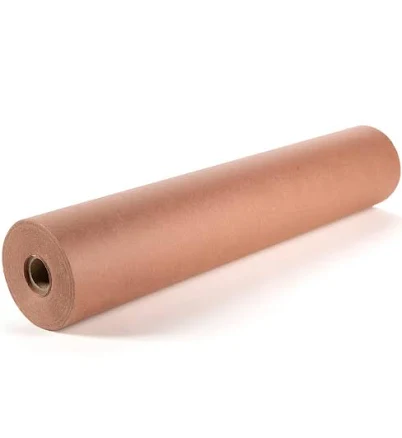
IDL Packaging
White Butcher Paper 18" x 12000" Natural Butcher Paper Roll for Meat and Fish
- natural kraft butcher paper, no coating specified
- The brand calls it PFAS-free, which we have not verified
- Bleach residue and chlorine compounds
2 hazards checked on this product, all on its full breakdown.
- stainless steel blade, bare metal construction
- We found no PFAS statement from the brand
- Blade degradation and metal particle shedding
2 hazards checked on this product, all on its full breakdown.
More deli meat & cold cuts packaging grades
How we score, every product runs through the same public 0-100 rubric based on materials, coatings, brand disclosure, lab findings, and recalls. See the full methodology → Spotted a mistake? Report an error.