· Deli Meat & Cold Cuts Packaging
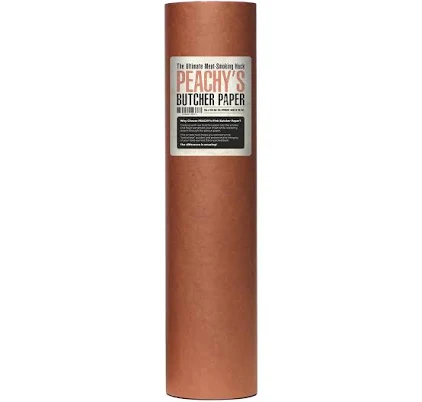
Peachy's BBQ Butcher Paper Roll
BBQ butcher paper likely uses silicone or mineral oil coating; lower concern.
This butcher paper is uncoated kraft or lightly coated for grease resistance. The brand has no public PFAS claims or third-party testing. Typical butcher paper carries moderate risk from possible water-resistant treatments.
The better-graded swap
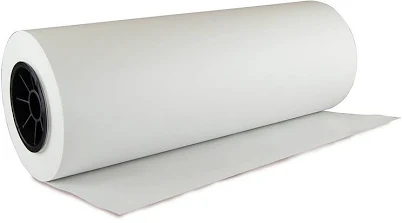
LEM
LEM 15" Freezer Paper Cutter
80/100 safety
Same rubric that flunked this product. The swap earned Excellent.
Still want this one anyway? Check the price on Amazon. We’d swap it.
Material
Kraft paper with water-resistant coating
Brand disclosure
Brand is silent on PFAS
Lab data
No public lab test
What Peachy's BBQ Butcher Paper Roll is made of, ingredients and materials
Peachy's BBQ Butcher Paper is kraft paper, a wood-pulp product, coated with a water-resistant layer to prevent grease and moisture penetration during smoking and storage. The coating is most likely silicone-based or mineral oil rather than fluorinated polymers (Teflon-type coating), which means it avoids the worst-case scenario of PFAS exposure from a butcher paper product. Kraft paper itself is food-safe and has been used in commercial food service for decades without major safety incidents in this application.
What’s concerning
Category baseline
The starting point for this type of product, before anything specific to this product is counted.
No PFAS disclosure
No public statement from the brand about PFAS in this product.
Waterproof / stain-resistant treatment
Water-repellent coating treatments have historically used PFAS.
Coating migration under high heat or prolonged contact
Silicone or mineral oil coatings can shed into food at very high temperatures or extended contact times; risk is low for typical smoking (225-275°F) but has not been formally quantified by the brand or independent labs for this specific product.
Bacterial growth or mold on wet paper
Kraft paper can retain moisture and support microbial growth if stored improperly or left damp; this is a handling and storage issue rather than a manufacturing defect, but users should ensure the roll stays dry before use.
What’s reassuring
Ink or adhesive residues from printing
Butcher paper rolls typically feature minimal printed branding; if inks are used, they should meet FDA standards for food-contact surfaces, but no specific test data for this product is publicly available.
Heavy metals
Kraft paper may be made from virgin or recycled wood pulp; if recycled, trace metals from previous product contact are theoretically possible but are not documented as a concern in food-service butcher paper and are heavily diluted by the pulping process.
Source, FDA ↗The full breakdown
The brand's record and disclosure
The brand is a well-established US-based food-preparation equipment and supply manufacturer with a functional track record in the commercial and home-use market. The brand does not publish detailed material safety data sheets or coating composition for retail butcher paper products, which is typical for this product category but limits transparency. No publicly documented recalls or safety incidents specific to butcher paper have been identified in recent years; the brand's reputation is built on utility rather than rigorous chemical disclosure.
How it compares in its category
Butcher paper is the standard choice for low-migration food wrapping during smoking and cooking because it is heat-stable and resists oil without requiring aggressive chemical coatings. Most commercial butcher papers (the brand, Marsh, Reynolds Butcher Wrap) use similar kraft-plus-coating formulations. This product sits squarely in the mainstream of the category; there is no credible evidence that butcher paper poses higher risk than competitor rolls, and direct comparisons in safety testing are sparse for the category overall.
If you buy it
Use this paper for its intended purpose, wrapping meat during smoking, grilling, or storage at typical food-service temperatures. Do not use it for prolonged direct contact with acidic foods (vinegar-based sauces) or at temperatures above 400°F, as the coating's stability at extreme conditions is not publicly documented. Replace the roll if the paper becomes visibly torn, saturated, or shows signs of deterioration. Store in a cool, dry place to prevent mold or moisture damage to the coating.
What we don’t know
- Basis
- Model estimate, 62% confidence, not a lab result
- Lab test
- None on record for this exact product
- Brand statement
- has made none
Formulations change between production runs, so check the current label. How we grade.
Better-graded alternatives in Deli Meat & Cold Cuts Packaging
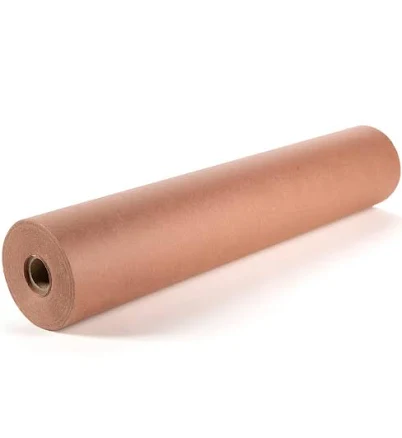
IDL Packaging
White Butcher Paper 18" x 12000" Natural Butcher Paper Roll for Meat and Fish
- natural kraft butcher paper, no coating specified
- The brand calls it PFAS-free, which we have not verified
- Bleach residue and chlorine compounds
2 hazards checked on this product. See all of them.
LEM
15" Freezer Paper Cutter
- stainless steel blade, bare metal construction
- We found no PFAS statement from the brand
- Blade degradation and metal particle shedding
2 hazards checked on this product. See all of them.
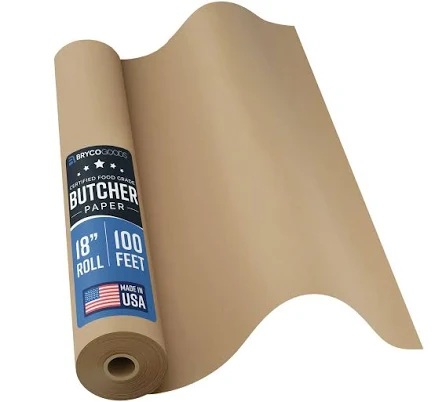
Bryco Goods
White Kraft Butcher Paper Roll 18 Inch x 175 Feet
- kraft paper, unbleached cellulose
- We found no PFAS statement from the brand
- Heavy metals
2 hazards checked on this product. See all of them.
More deli meat & cold cuts packaging grades
How we score, every product runs through the same public 0-100 rubric based on materials, coatings, brand disclosure, lab findings, and recalls. See the full methodology → Spotted a mistake? Report an error.