IDL Packaging · Deli Meat & Cold Cuts Packaging
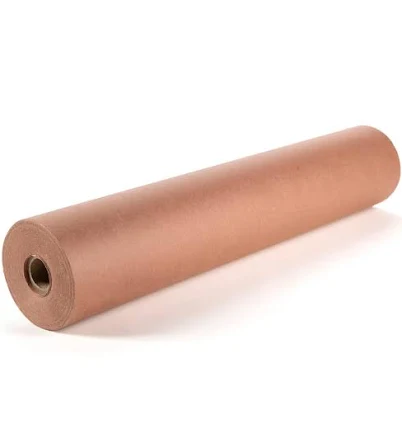
Idl Packaging White Butcher Paper 18" x 12000" Natural Butcher Paper Roll for Meat and Fish
Brand PFAS statement on record, which we have not verified.
IDL Packaging describes these grease-proof paper sheets as PFAS-free and uncoated. We record that as an unverified brand claim.
Brand says: “IDL Packaging describes these grease-proof paper sheets as PFAS-free and uncoated.”
We flunk more products than we pass. This one earned its grade. How we grade
Material
natural kraft butcher paper, no coating specified
Brand disclosure
Brand claims PFAS-free
Lab data
No public lab test
You may also be interested in
Top-graded picks in the categories readers replace first, every one scored on the same rubric.

- polypropylene filter housing, carbon/sediment cartridge
- We found no PFAS statement from the brand
- Bacterial growth in spent cartridges
3 hazards checked on this product, all on its full breakdown.

Aquasure
Premier Series 75 GPD Under Sink Reverse Osmosis Water Filtration System
- RO membrane, carbon filters, stainless steel housing
- We found no PFAS statement from the brand
- Bacterial and microbial growth in housing and filters
4 hazards checked on this product, all on its full breakdown.

Avocado
Vegan Mattress
- organic cotton, natural latex, coconut coir, recycled steel coils
- The brand calls it PFAS-free, which we have not verified
- Heavy metals
2 hazards checked on this product, all on its full breakdown.
What Idl Packaging White Butcher Paper 18" Fish is made of, ingredients and materials
This is uncoated natural kraft paper, made by mechanical and chemical pulping of wood fibers. Natural kraft paper has no synthetic polymers, clay coatings, or chemical water barriers applied, which means it lacks the common sources of migration hazards found in coated food papers. The paper is food-safe for direct meat contact under FDA guidelines because it relies on the kraft fiber structure itself rather than surface treatments to provide grease resistance for short-term storage.
What’s concerning
Category baseline
The starting point for this type of product, before anything specific to this product is counted.
Bleach residue and chlorine compounds
Kraft paper can be whitened using chlorine or chlorine dioxide during pulping. This product is described as natural but not explicitly unbleached; residual chlorine compounds are typically minimal in food-grade kraft, but full chemical composition is not disclosed.
Mold or microbial contamination in storage
Uncoated kraft is porous and hygroscopic (absorbs moisture); if stored in damp conditions before use, mold or bacterial colonization can occur. Proper storage by both manufacturer and end user is critical.
What’s reassuring
Brand-stated PFAS-free
The brand states this product is PFAS-free. We have not verified the claim.
Base material not linked to PFAS
The main material recorded for this product is not one associated with PFAS.
Ink or printing residue (if any applied)
Product description does not specify printing or branding on the roll surface. If text or graphics are present, they may contain heavy metals (lead, chromium) in older inks or azo dyes, but no record of IDL Packaging using problematic inks on this product.
Microplastics
Natural kraft paper is a cellulose product and does not inherently contain synthetic microplastics. Shedding of paper fibers into food is a texture concern rather than a toxicological one.
Source, EPA ↗Heavy metals
No recalls or test data on record for IDL Packaging's butcher paper regarding cadmium, lead, or other metals. Food-grade kraft typically meets FDA standards for heavy metal content, but verification requires a safety data sheet or third-party test report, not available publicly.
Source, FDA ↗How is this PFAS grade calculated?
The brand's record and disclosure
IDL Packaging has made a public PFAS-free claim, which we have not independently verified through third-party testing. No recalls or safety controversies are on record for this specific product or brand. The company does not prominently publish material certifications (e.g., FDA compliance letter, compostability standards) in widely accessible sources, so disclosure is minimal beyond the PFAS statement.
How it compares in its category
Natural uncoated kraft is the safest option in butcher paper because it eliminates coated-paper migration risks (e.g., fluorochemical water barriers, silicone). Many commercial butcher papers use bleached kraft or include clay/mineral coatings to improve grease resistance; this product's uncoated status removes those variables. The trade-off is shorter grease hold time and less moisture barrier, making it suitable for refrigerated storage but not extended room-temperature exposure.
If you buy it
Store rolls in a cool, dry location away from direct moisture to prevent mold or fiber degradation. Use within 2-3 years of purchase; kraft paper can yellow and brittleness can increase over time in humid conditions. Replace immediately if the paper becomes torn, stained with unknown substances, or shows mold. This paper is suitable for meat wrapping in the refrigerator and freezer; avoid prolonged contact with acidic foods at room temperature, as kraft lacks a barrier against acid migration.
What is not known about PFAS in this product?
- Basis
- Model estimate, 78% confidence, not a lab result
- Lab test
- None on record for this exact product
- Brand statement
- IDL Packaging has made a specific claim
Formulations change between production runs, so check the current label. How we grade.
More deli meat & cold cuts packaging grades
How we score, every product runs through the same public 0-100 rubric based on materials, coatings, brand disclosure, lab findings, and recalls. See the full methodology → Spotted a mistake? Report an error.