Lip Smacker · Lip Balm & Long-Wear Lipstick
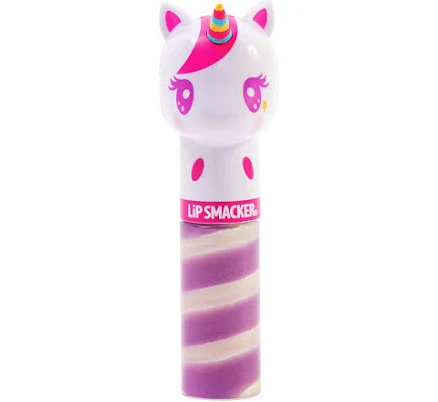
Lip Smacker Lippy Pal Swirl Gloss Unicorn
Lower concern for typical lip gloss formula, though brand discloses nothing.
This gloss uses standard cosmetic waxes and oils without disclosed water-resistance or nonstick coatings. Lip glosses generally carry lower PFAS risk than waterproof mascaras or long-wear foundations.
We flunk more products than we pass. This one earned its grade. How we grade
Material
wax, oils, pigments (typical lip gloss)
Brand disclosure
Brand is silent on PFAS
Lab data
No public lab test
What Lip Smacker Lippy Pal Swirl Gloss Unicorn is made of, ingredients and materials
Lip Smacker Lippy Pal is a wax-oil-pigment formulation typical of mass-market lip glosses, with no silicones or synthetic polymers that would elevate hazard profile. The unicorn-themed swirl product uses cosmetic-grade colorants and fragrance to create appeal for children and tweens. Wax and oil bases are inherently low-toxicity and do not migrate into skin significantly during the brief contact time of lip application. The main safety concern in this category centers on pigment heavy metals and fragrance allergens, not the carrier matrix.
What’s concerning
Category baseline
The starting point for this type of product, before anything specific to this product is counted.
No PFAS disclosure
No public statement from the brand about PFAS in this product.
Heavy metals
Lip Smacker does not disclose pigment sourcing or heavy metal limits. Carmine-based reds and synthetic iron oxide colorants are standard in this price tier; contamination with lead or cadmium is uncommon in regulated US cosmetics but not ruled out without third-party testing.
Source, FDA ↗Fragrance allergens and sensitization
Lip glosses marketed to children often contain synthetic fragrance blends. Fragrance is not itemized on labels, so specific allergens (e.g., limonene, linalool) cannot be verified. Lip skin is thinner and more permeable than facial skin, raising sensitization risk slightly.
Ingestion risk from playful use by young consumers
Lip Smacker products are intentionally designed to appeal to children and tweens. While the wax-oil formula is non-toxic at low doses, repeated or excessive ingestion could cause mild gastrointestinal upset; the brand includes no prominent warning against swallowing.
What’s reassuring
Base material not linked to PFAS
The main material recorded for this product is not one associated with PFAS.
1,4-dioxane as a trace contaminant in fragrance or preservatives
No established record of 1,4-dioxane in Lip Smacker products. Dioxane is a possible contaminant in some cosmetic preservative systems, but Lip Smacker's wax-based, low-water formulas typically require minimal preservatives and do not appear on any public dioxane watch lists.
Formaldehyde / VOCs
Lip gloss formulations with high oil and wax content have low water activity and do not require formaldehyde-releasing agents like DMDM hydantoin or imidazolidinyl urea. No recalls or reports link Lip Smacker to these preservatives.
Source, ATSDR ↗The full breakdown
The brand's record and disclosure
Lip Smacker (owned by Markwins International) does not publish detailed ingredient safety data, PFAS statements, or third-party certifications for this product line. The brand has no documented recalls or safety controversies linked to classic lip gloss formulas. No cruelty-free, vegan, or organic claims are made, suggesting standard industrial sourcing without premium safety gates. Parent company Markwins has faced no major product safety actions in recent years that would extend to this product.
How it compares in its category
This product sits in the mainstream children's lip gloss segment alongside brands like Maybelline Baby Lips and Burt's Bees. It lacks third-party certifications (EWG verified, Clean Beauty, etc.) that some premium alternatives offer, but faces no unique hazards relative to direct competitors. Wax-based glosses are generally safer than silicone-heavy or long-wear polymeric formulas that may contain plasticizers or higher fragrance loads. Price and positioning reflect typical safety and ingredient standards for this age-targeted market tier.
If you buy it
Apply sparingly and avoid ingestion; while lip gloss is low-risk during normal use, children should not eat or repeatedly ingest the product. Store in a cool, dry place away from direct sunlight to prevent wax separation or fragrance volatilization. Replace if odor, color, or texture change noticeably, or after 18-24 months of storage. Discontinue use if any rash, itching, or swelling develops around the lips; lip sensitivity to fragrance or colorants is rare but possible.
What we don’t know
- Basis
- Model estimate, 72% confidence, not a lab result
- Lab test
- None on record for this exact product
- Brand statement
- Lip Smacker has made none
Formulations change between production runs, so check the current label. How we grade.
More lip balm & long-wear lipstick grades
How we score, every product runs through the same public 0-100 rubric based on materials, coatings, brand disclosure, lab findings, and recalls. See the full methodology → Spotted a mistake? Report an error.