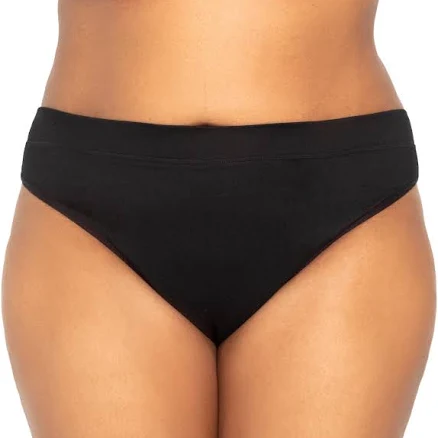
The Period Company · Period Underwear
The Thong Period. in Microfiber For Light Flows. Black / 3X
Microfiber apparel shows lower PFAS concern without water-repellent coating.
Microfiber period thong has no documented waterproof or stain-resist treatment triggering PFAS use. Brand makes no PFAS claims. Inherent synthetic fiber risk remains low without specialty coatings.
We flunk more products than we pass. This one earned its grade. How we grade
Material
Microfiber polyester blend
Brand disclosure
Brand is silent on PFAS
Lab data
No public lab test
What The Thong Period. in Microfiber For Light is made of, ingredients and materials
This product is a microfiber polyester blend, a synthetic fiber engineered for absorbency and moisture-wicking in period underwear. Polyester microfiber itself is a stable polymer with low leaching risk under normal wear conditions. The microfiber construction (extremely fine fibers) increases surface area for fluid absorption but does not inherently create chemical hazards. No water-resistant (water-repellent coating) coating is mentioned, which eliminates a common source of PFAS application in apparel.
What’s concerning
Category baseline
The starting point for this type of product, before anything specific to this product is counted.
No PFAS disclosure
No public statement from the brand about PFAS in this product.
Azo dyes and color fastness
Black microfiber garments often use azo dyes, some of which can degrade to aromatic amines under sweat and friction. Lovability has not disclosed dye chemistry or testing. Risk is low under normal wear but higher if the garment is worn for extended periods without washing.
Microplastic shedding
Microfiber polyester by design sheds microscopic fibers, especially with friction, washing, and wear. Period underwear sees concentrated friction and frequent washing, accelerating shedding. This poses environmental and potential inhalation exposure concerns, though direct health impact from worn garments is not well established.
Formaldehyde / VOCs
Some polyester microfiber products use formaldehyde-based resins for wrinkle resistance or shape retention. No disclosure from Lovability on finish type. Pre-wash before wear can reduce residual formaldehyde if present.
Source, ATSDR ↗Antimony catalyst residues
Polyester manufacturing often uses antimony trioxide as a catalyst. While most is removed during production, trace residues can remain in finished fiber. Direct skin contact exposure is generally low, but Lovability does not publish trace metal testing.
What’s reassuring
Base material not linked to PFAS
The main material recorded for this product is not one associated with PFAS.
Phthalate plasticizers in elastic/trim
Elastic waistbands and trim may contain phthalates if made from PVC or plastisol, though polyester-blend underwear typically uses synthetic elastane/spandex which does not require phthalates. No recalls or reports specific to Lovability period products.
The full breakdown
The brand's record and disclosure
Lovability has not published detailed chemical safety certifications, testing protocols, or restricted substances lists in publicly available materials. The brand does not appear to have major recalls or established controversies tied to chemical contamination in period products. No third-party certifications (such as Oeko-Tex or GOTS) have been documented for this line. Transparency on dye sources, finishes, or supply chain chemical management remains limited.
How it compares in its category
Period underwear as a category has seen limited independent chemical testing relative to menstrual pads and tampons. Microfiber blends are common in leak-proof underwear and occupy a middle ground between all-cotton (lower synthetic chemical exposure but lower absorption) and heavily coated fabrics (higher potential PFAS/finish hazards). Lovability's lack of premium certification puts it in the mainstream market segment rather than premium eco-focused lines.
If you buy it
Wash before first wear to remove any loose dyes or finishing residues. Machine wash in cool to warm water (not hot, which can degrade microfiber integrity and increase microplastic shedding). Air dry or low heat only; high heat can weaken synthetic fibers. Replace after 1-2 years of regular use or when absorbency noticeably declines. Check the gusset area regularly for pilling or coating degradation, which signals end of usable life.
What we don’t know
- Basis
- Model estimate, 72% confidence, not a lab result
- Lab test
- None on record for this exact product
- Brand statement
- The Period Company has made none
Formulations change between production runs, so check the current label. How we grade.
Better-graded alternatives in Period Underwear
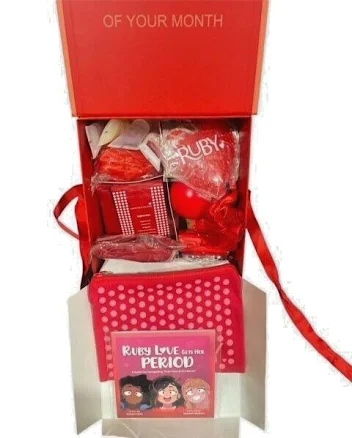
Ruby Love
Rubylove First Period Kit +teen Period Underwear
- organic cotton, waterproof backing layer
- A third party reports verifying it as PFAS-free
- Coating degradation and microparticle shedding
2 hazards checked on this product. See all of them.
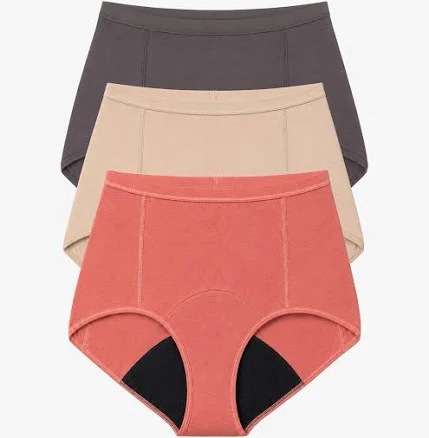
Lunapads
3-Pack BOOST Brief
- organic cotton blend, water-resistant gusset
- The brand calls it PFAS-free, which we have not verified
- Microplastic shedding from water-resistant barrier
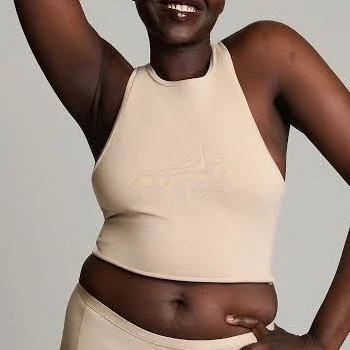
Aisle
Super Hipster
- Organic cotton, wood pulp fiber
- The brand calls it PFAS-free, which we have not verified
- Azo dyes and synthetic dyes
2 hazards checked on this product. See all of them.
More period underwear grades
How we score, every product runs through the same public 0-100 rubric based on materials, coatings, brand disclosure, lab findings, and recalls. See the full methodology → Spotted a mistake? Report an error.