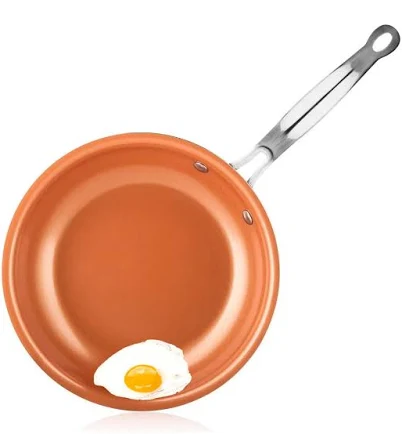
LMETJMA Frying Pan Nonstick 20 24 28cm Frying Pan with Ceramic Titanium Coating Round Copper Egg Pan
Skip this one, unspecified non-stick coating, no PFAS clarity.
This pan claims ceramic-titanium non-stick but provides no chemistry breakdown or verification. Undisclosed non-stick formulations often hide PFAS, and the brand's silence worsens the concern.
The better-graded swap
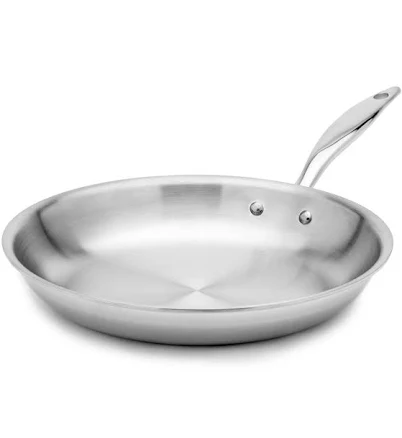
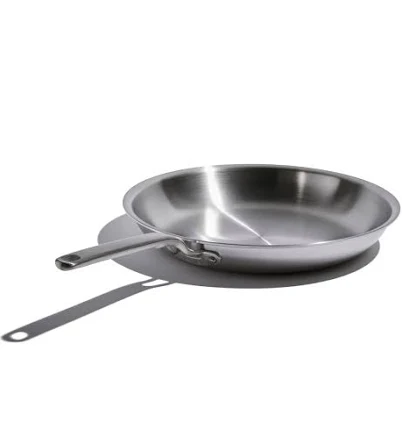
Heritage Steel
Heritage Steel Fry Pan
100/100 safety
Same rubric that flunked this product. The swap earned Excellent.
Still want this one anyway? Check the price on Amazon. We’d swap it.
Material
Ceramic-titanium nonstick coating (unspecified composition)
Brand disclosure
Brand is silent on PFAS
Lab data
No public lab test
Is LMETJMA Frying Pan Nonstick 20 24 28cm non-toxic? What it is made of
This pan uses a ceramic-titanium nonstick coating, but Lutema provides no public specification of its exact composition, binder chemistry, or manufacturing standard. Ceramic coatings marketed as nonstick typically combine ceramic particles with a polymer or resin binder; without disclosure, it is impossible to verify whether the binder contains Teflon-type coating, PFOA, or other regulated substances, or what happens to the coating under heat stress. The aluminum substrate itself is a standard cookware material, but its safety depends entirely on the integrity and composition of the topcoat.
What’s concerning
Category baseline
The starting point for this type of product, before anything specific to this product is counted.
Vague safety claims only
Uses vague language ("eco-friendly", "clean") without a specific PFAS statement.
Non-stick, chemistry undisclosed
Marketed as non-stick without stating the coating chemistry.
PFAS
Ceramic-titanium coatings require a polymer binder; without specification, the binder may contain Teflon-type coating, PFOA, or other fluorinated compounds. Lutema's complete silence on PFAS status creates reasonable suspicion, especially for budget-tier cookware.
Source, ATSDR ↗Coating degradation and particulate release
Aluminum leaching (if coating fails)
The underlying aluminum substrate can leach into food if the ceramic-titanium topcoat is scratched, peeled, or degraded. Acidic foods (tomatoes, citrus) accelerate this process. The brand provides no information on coating thickness or resistance standards that would mitigate this risk.
Thermal fume risk from overheating
Ceramic coatings with unknown polymer binders can emit volatile organic compounds or other fumes if heated above their decomposition point. Without technical specification from Lutema clarifying temperature limits, using the pan requires guesswork about appropriate operating conditions.
What’s reassuring
Lead
No recalls or test results for this specific product are on record. However, unregulated ceramic coatings from lesser-known brands occasionally test positive for heavy metals; third-party testing would be necessary to rule this out.
Source, ATSDR ↗The full breakdown
The brand's record and disclosure
Lutema is a lesser-known cookware brand with minimal publicly available safety documentation, third-party certifications, or transparency statements regarding nonstick coatings and PFAS. No recalls specific to this model are on record, but the absence of disclosure on coating composition and manufacturing standards is itself a red flag in the cookware category, where competitors often provide material safety data sheets or explicit PFAS-free claims. The brand's silence on these topics suggests either lack of commitment to chemical transparency or use of materials they prefer not to specify.
How it compares in its category
Major cookware brands (T-fal, Calphalon, GreenPan) now routinely disclose coating chemistry and provide PFAS-free certifications or third-party testing results; Lutema offers none of this. Ceramic-titanium coatings are a legitimate category, but reputable manufacturers specify whether they are truly ceramic or ceramic-polymer hybrids, and clarify PFAS status. This product's lack of specificity and pricing (typically budget-tier) suggests it may use lower-cost coating formulations with less rigorous quality control.
If you buy it
Do not use at temperatures above 400F (200C), as unspecified ceramic coatings can degrade and release particulates or fumes when overheated. Hand-wash only; dishwasher use accelerates coating breakdown. Inspect the pan every few months for flaking, discoloration, or rough patches; discontinue use if coating integrity is compromised. Avoid metal utensils, which will scratch the coating and expose the aluminum substrate, accelerating leaching.
What we don’t know
- Basis
- Model estimate, 35% confidence, not a lab result
- Lab test
- None on record for this exact product
- Brand statement
- LMETJMA has made none
Formulations change between production runs, so check the current label. How we grade.
Better-graded alternatives in Cookware
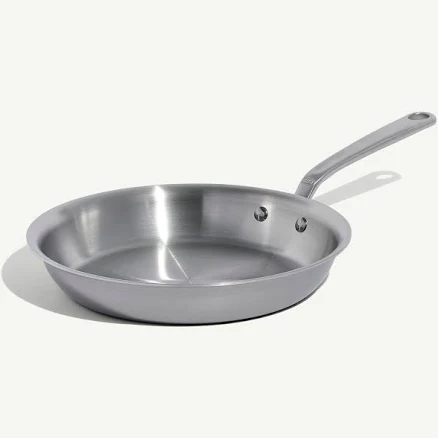
Made In
Stainless Clad Fry Pan
- Stainless steel clad construction, no nonstick coating
- The brand calls it PFAS-free, which we have not verified
- Clad separation or delamination over time
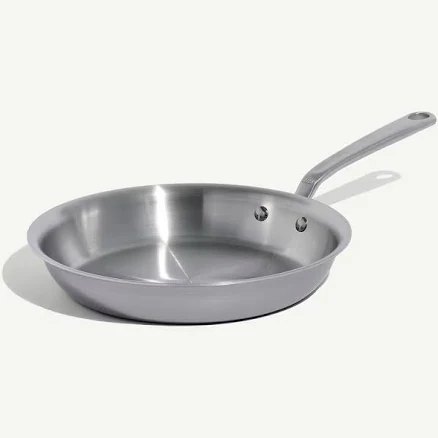
Made In
10' Stainless Clad Frying Pan
- stainless steel clad construction, no nonstick coating
- The brand calls it PFAS-free, which we have not verified
- Nickel leaching from stainless steel
3 hazards checked on this product. See all of them.
Heritage Steel
Eater Fry Pan
- Clad stainless steel, no coating
- The brand calls it PFAS-free, which we have not verified
- Metal ion release during cooking (iron, nickel, chromium)
More cookware grades
How we score, every product runs through the same public 0-100 rubric based on materials, coatings, brand disclosure, lab findings, and recalls. See the full methodology → Spotted a mistake? Report an error.