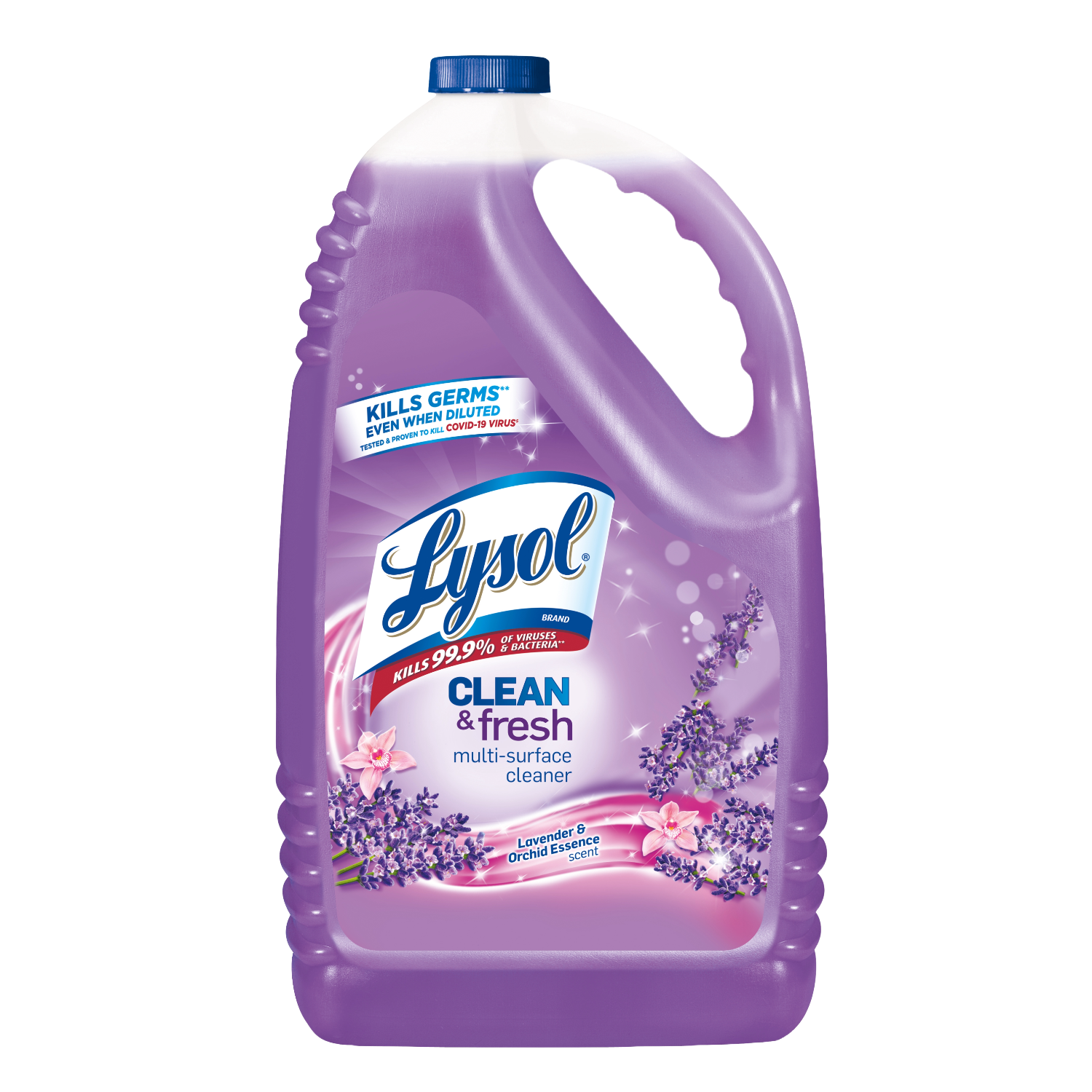
Lysol Pourable Lavender & Orchid
Lower concern; liquid cleaner without known PFAS use.
Lysol pourable cleaners are formulated surfactant-based products not typically treated with PFAS. No public disclosure or third-party testing available.
We flunk more products than we pass. This one earned its grade. How we grade
Material
water, cleaning agents, fragrance
Lab data
No public lab test
You may also be interested in
Top-graded picks in the categories readers replace first, every one scored on the same rubric.

- polypropylene filter housing, carbon/sediment cartridge
- We found no PFAS statement from the brand
- Bacterial growth in spent cartridges
3 hazards checked on this product, all on its full breakdown.

Aquasure
Premier Series 75 GPD Under Sink Reverse Osmosis Water Filtration System
- RO membrane, carbon filters, stainless steel housing
- We found no PFAS statement from the brand
- Bacterial and microbial growth in housing and filters
4 hazards checked on this product, all on its full breakdown.

Avocado
Vegan Mattress
- organic cotton, natural latex, coconut coir, recycled steel coils
- The brand calls it PFAS-free, which we have not verified
- Heavy metals
2 hazards checked on this product, all on its full breakdown.
What Lysol Pourable Lavender & Orchid is made of, ingredients and materials
Lysol Pourable Lavender & Orchid is a water-based disinfectant cleaner containing quaternary ammonium compounds (quats) as active antimicrobial agents, plus surfactants, fragrance, and preservatives. The formula is designed for hard surfaces and does not rely on volatile organic solvents or toxic chlorine bleach, making inhalation and skin contact risks lower than traditional bleach or solvent cleaners. Fragrance components are added for scent appeal; these are typically mixtures of essential oils and aroma chemicals.
What’s concerning
Category baseline
The starting point for this type of product, before anything specific to this product is counted.
No PFAS disclosure
No public statement from the brand about PFAS in this product.
Fragrance allergens and skin sensitization
Lavender and orchid fragrances may contain limonene, linalool, or other terpenes that are skin allergens in sensitive populations. The full fragrance composition is not disclosed on the label, so specific allergen risk cannot be fully assessed.
Quaternary ammonium compound (quat) irritation
Quats are the active disinfectants and are known to cause respiratory irritation and dermatitis with prolonged or high-concentration exposure. Proper dilution and ventilation mitigate this risk for normal household use.
What’s reassuring
Base material not linked to PFAS
The main material recorded for this product is not one associated with PFAS.
1,4-dioxane (preservative byproduct)
No public reports or testing data specific to Lysol Pourable indicate 1,4-dioxane contamination. Ethoxylated surfactants in cleaners can theoretically form trace dioxane; however, standard disinfectant formulations typically undergo quality controls to keep levels negligible.
Microplastics
The product comes in a rigid plastic bottle. Standard polyethylene terephthalate (PET) or high-density polyethylene (HDPE) bottles used for pourable cleaners do not leach into the liquid under normal storage conditions. No recalls or contamination reports are on record for this product line.
Source, EPA ↗Heavy metals
Fragrance liquids do not typically contain pigments requiring heavy metal testing. No regulatory findings or independent testing has flagged heavy metal contamination in Lysol disinfectants.
Source, FDA ↗How is this PFAS grade calculated?
The brand's record and disclosure
Lysol (parent company Reckitt Benckiser) does not prominently disclose full fragrance composition on consumer labels, following industry practice of listing fragrance as a single ingredient. The brand has not faced major recalls or regulatory warnings specific to this formulation. Reckitt has not made public commitments to fragrance transparency or allergen labeling beyond regulatory minimums in most markets.
How it compares in its category
Lysol Pourable is a mainstream quaternary ammonium disinfectant, chemically similar to most commercial household disinfectant sprays and wipes. It sits in the middle of the safety spectrum, lower concern than products with chlorine bleach, phenolics, or high VOC content, but offering no special transparency or hypoallergenic claims compared to plant-based or fragrance-free alternatives. For basic antimicrobial efficacy and cost, it is broadly representative of the category.
If you buy it
Dilute as directed on the label; do not use on food contact surfaces without rinsing thoroughly. Ensure adequate ventilation when applying, especially in enclosed spaces, to minimize inhalation of fragrance and aerosolized actives. Keep away from children and pets. Do not mix with other cleaners, particularly bleach or ammonia. Discard if the bottle shows signs of leakage or discoloration, as preservative efficacy may be compromised over time.
What is not known about PFAS in this product?
- Basis
- Model estimate, 72% confidence, not a lab result
- Lab test
- None on record for this exact product
- Brand statement
- Lysol has made a specific claim
Formulations change between production runs, so check the current label. How we grade.
What are the PFAS-free alternatives to Lysol Pourable Lavender & Orchid?
- Hypochlorous acid electrochemical solution
- A third party reports verifying it as PFAS-free
- Oxidizer / skin and eye irritation
3 hazards checked on this product, all on its full breakdown.
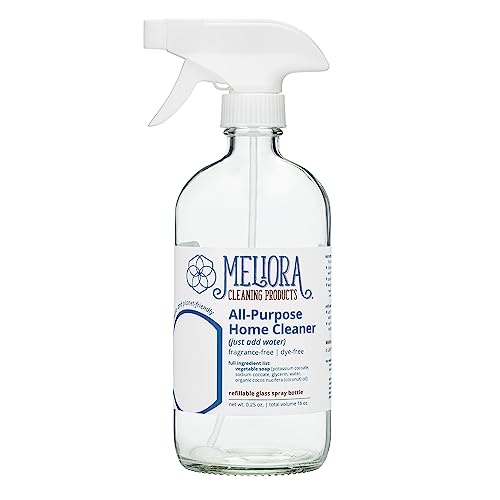
- Plant-derived surfactants, water, essential oils
- A third party reports verifying it as PFAS-free
- Essential oil inhalation and sensitization
3 hazards checked on this product, all on its full breakdown.
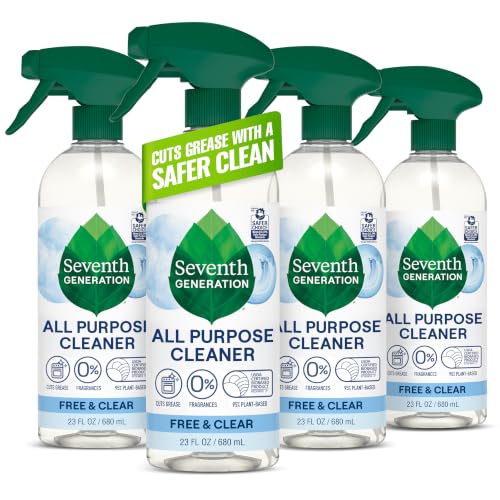
- water, plant-derived surfactants, mineral salts
- A third party reports verifying it as PFAS-free
- Skin irritation from surfactants
2 hazards checked on this product, all on its full breakdown.
More all-purpose cleaner grades
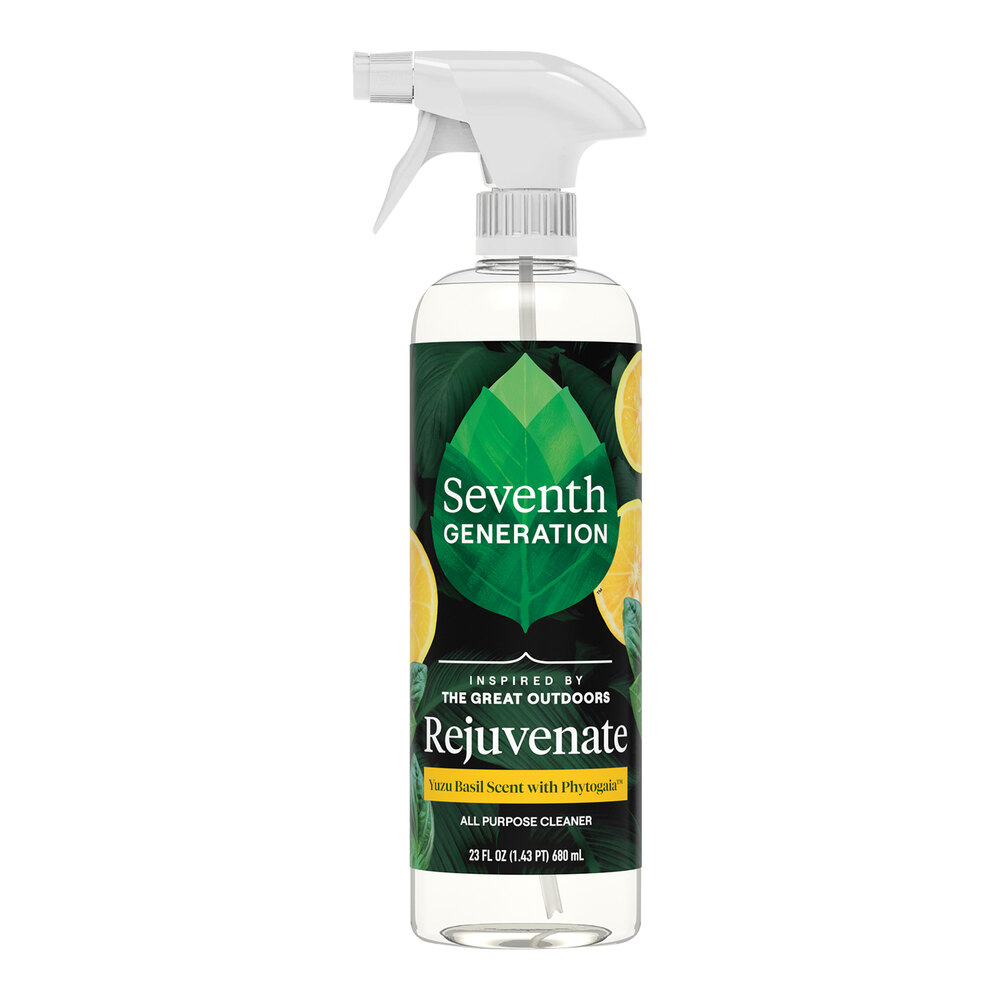 100Seventh Generation All Purpose Cleaner - Yuzu Basil with Phytogaia™
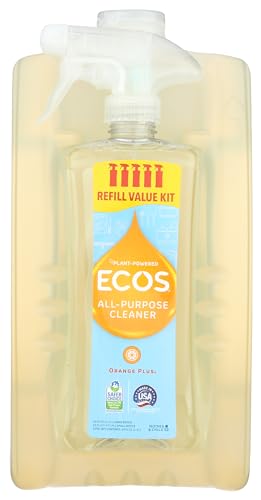 100ECOS All-Purpose Cleaner - Orange
 100Seventh Generation All Purpose Cleaner - Lemon Zest
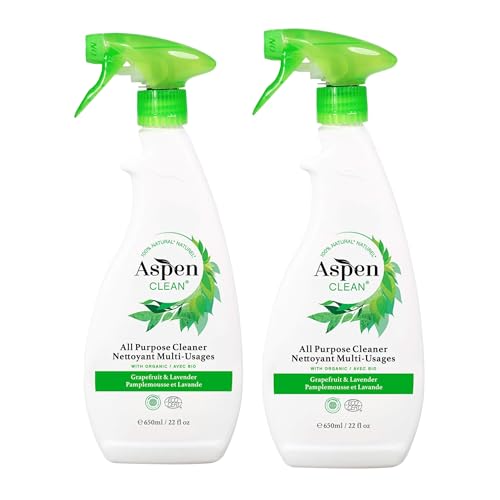 100AspenClean Natural All Purpose Cleaner
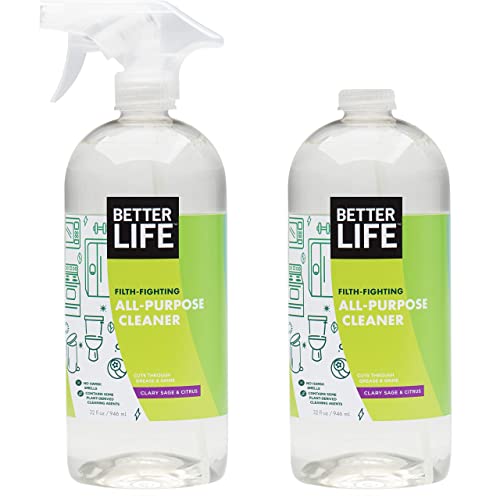 100Better Life All Purpose Cleaner
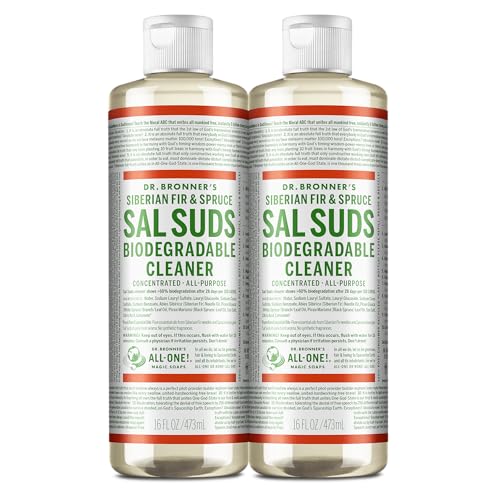 85Dr. Bronner's Sal Suds Biodegradable Cleaner
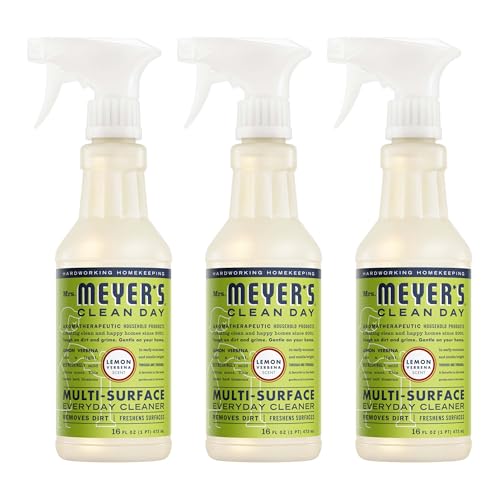 85Mrs. Meyer's Clean Day Peppermint All-Purpose Cleaner Spray
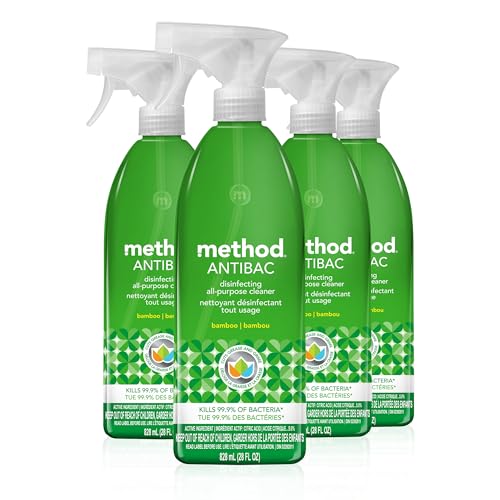 85Method All-Purpose Cleaner Spray, Bamboo
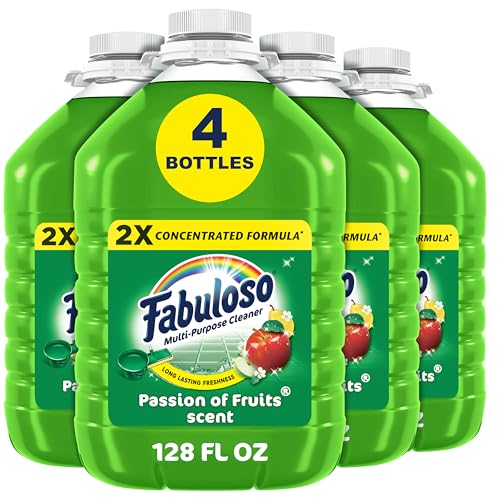 85Fabuloso 2X Multi-Purpose Cleaner with Baking Soda, Citrus and Fruits Scent
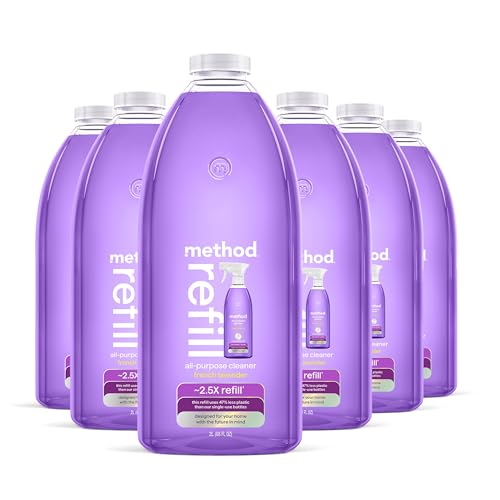 85Method All-Purpose Cleaner Refill, French LavenderCompare vs Force of Nature →All all-purpose cleaner →
How we score, every product runs through the same public 0-100 rubric based on materials, coatings, brand disclosure, lab findings, and recalls. See the full methodology → Spotted a mistake? Report an error.