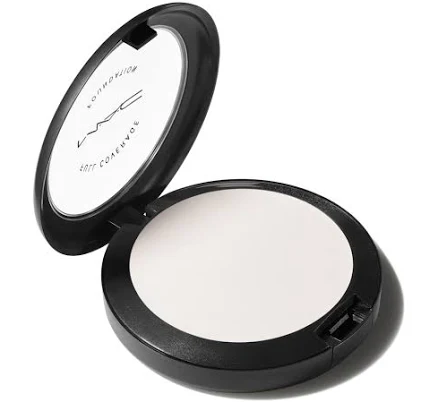
MAC Pro Full Coverage Foundation
Lower concern for PFAS without waterproofing claims typical of liquid foundation.
This liquid cosmetic lacks marketed waterproof or water-resistant claims reducing typical PFAS risk vectors. The brand makes no PFAS disclosures.
We flunk more products than we pass. This one earned its grade. How we grade
Material
liquid foundation, pigments, glycerin, emollients
Lab data
No public lab test
You may also be interested in
Top-graded picks in the categories readers replace first, every one scored on the same rubric.

- polypropylene filter housing, carbon/sediment cartridge
- We found no PFAS statement from the brand
- Bacterial growth in spent cartridges
3 hazards checked on this product, all on its full breakdown.

Aquasure
Premier Series 75 GPD Under Sink Reverse Osmosis Water Filtration System
- RO membrane, carbon filters, stainless steel housing
- We found no PFAS statement from the brand
- Bacterial and microbial growth in housing and filters
4 hazards checked on this product, all on its full breakdown.

Avocado
Vegan Mattress
- organic cotton, natural latex, coconut coir, recycled steel coils
- The brand calls it PFAS-free, which we have not verified
- Heavy metals
2 hazards checked on this product, all on its full breakdown.
What MAC Pro Full Coverage Foundation is made of, ingredients and materials
MAC Pro Full Coverage Foundation is a liquid suspension of pigments, glycerin, and emollient oils designed for long wear and opacity. The formula contains typical cosmetic ingredients, water, silicones, and preservatives to prevent bacterial growth and maintain stability. Glycerin acts as a humectant to prevent evaporation and cracking, while silicones improve spreadability and adherence without known acute toxicity at cosmetic concentrations.
What’s concerning
Category baseline
The starting point for this type of product, before anything specific to this product is counted.
No PFAS disclosure
No public statement from the brand about PFAS in this product.
Heavy metals
MAC does not publish heavy metal testing results for this product. Industry-standard pigments (FDA-approved colorants) carry low contamination risk, but lead or cadmium in some mineral mica sources is intermittently reported; no specific recall or test failure on record for MAC Pro Full Coverage Foundation.
Source, FDA ↗Fragrance allergens and undisclosed fragrance components
MAC lists 'fragrance' as an ingredient without component breakdown. Fragrance mixtures commonly trigger contact dermatitis and sensitization in 1-3 percent of users; documented complaints of irritation exist for various MAC foundations but are not unusual for the category.
Preservative degradation and microbial growth over time
Liquid foundations rely on preservative systems (commonly methylisothiazolinone or parabens in MAC formulas) that weaken with age, temperature fluctuation, or contaminated application. Risk increases significantly beyond 12 months or if bottle is left open or exposed to heat.
What’s reassuring
Base material not linked to PFAS
The main material recorded for this product is not one associated with PFAS.
Formaldehyde / VOCs
MAC does not use traditional formaldehyde releasers (dmdm hydantoin, imidazolidinyl urea) in current Pro Full Coverage Foundation formulations based on published ingredient lists; no recalls or warnings on file.
Source, ATSDR ↗Talc contamination (if talc is present in formula)
MAC Pro Full Coverage Foundation does not list talc in its standard ingredient deck; silicones and glycerin are the primary suspension agents, so talc-related asbestos or reproductive hazard risk does not apply to this product.
How is this PFAS grade calculated?
The brand's record and disclosure
MAC (Estee Lauder subsidiary) publishes ingredient lists and has no major safety recalls or contamination incidents on public record for this product line. The brand does not prominently advertise third-party certification (cruelty-free, hypoallergenic claims are marketing-level, not third-party verified for most products). MAC maintains broad ingredient transparency but has not published a standalone PFAS reduction policy, consistent with industry silence on this issue.
How it compares in its category
Liquid full-coverage foundations across all price tiers share similar hazard profiles, pigment sourcing, preservative safety, and fragrance sensitization are category-wide concerns, not MAC-specific. MAC's formulation sits in the mainstream segment; indie and clinical brands sometimes avoid synthetic fragrance, while luxury brands rarely differ materially in safety testing. No major competitive advantage or disadvantage in hazard profile versus brands like Clinique, Bobbi Brown, or drugstore equivalents.
If you buy it
Store in cool, dry conditions to prevent preservative breakdown and separation. Discard after 12 months or if you notice odor, separation, or discoloration, as preservative efficacy declines with age. Patch-test on inner arm if you have sensitive skin, as fragrance and pigments are common irritants. Do not apply near eyes or open wounds; wash hands after use and clean brushes weekly to prevent bacterial colonization on applicators.
What is not known about PFAS in this product?
- Basis
- Model estimate, 72% confidence, not a lab result
- Lab test
- None on record for this exact product
- Brand statement
- MAC has made a specific claim
Formulations change between production runs, so check the current label. How we grade.
More makeup grades
How we score, every product runs through the same public 0-100 rubric based on materials, coatings, brand disclosure, lab findings, and recalls. See the full methodology → Spotted a mistake? Report an error.