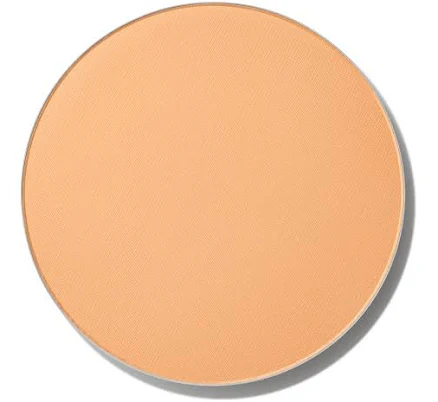
Mac Studio Fix Powder Foundation Refill 129
Lower-concern cosmetic where powder formulas rarely use PFAS.
This talc-based pressed powder foundation has no known PFAS-prone features like water-resistance or special coatings. MAC has not committed to PFAS avoidance.
We flunk more products than we pass. This one earned its grade. How we grade
Material
talc, mica, iron oxides, pigments (powder cosmetic)
Lab data
No public lab test
You may also be interested in
Top-graded picks in the categories readers replace first, every one scored on the same rubric.

- polypropylene filter housing, carbon/sediment cartridge
- We found no PFAS statement from the brand
- Bacterial growth in spent cartridges
3 hazards checked on this product, all on its full breakdown.

Aquasure
Premier Series 75 GPD Under Sink Reverse Osmosis Water Filtration System
- RO membrane, carbon filters, stainless steel housing
- We found no PFAS statement from the brand
- Bacterial and microbial growth in housing and filters
4 hazards checked on this product, all on its full breakdown.

Avocado
Vegan Mattress
- organic cotton, natural latex, coconut coir, recycled steel coils
- The brand calls it PFAS-free, which we have not verified
- Heavy metals
2 hazards checked on this product, all on its full breakdown.
What Mac Studio Fix Powder Foundation Refill is made of, ingredients and materials
Studio Fix Powder Foundation Refill 129 is a talc-based pressed powder containing mica (for shimmer and light diffusion), iron oxides (color pigments), and synthetic pigments. Talc is a common cosmetic filler chosen for its absorbency and silky texture, but talc ore deposits can naturally contain asbestos fibers depending on mining location and processing. This product's specific talc sourcing and asbestos testing protocols are not publicly disclosed by MAC.
What’s concerning
Category baseline
The starting point for this type of product, before anything specific to this product is counted.
No PFAS disclosure
No public statement from the brand about PFAS in this product.
Talc and asbestos contamination
Talc ore naturally contains asbestos in some deposits. MAC does not publicly disclose asbestos screening or sourcing protocols, leaving contamination risk unverified. Inhalation of asbestos fibers poses mesothelioma and lung cancer risk, though cosmetic talc exposure risk is lower than occupational inhalation.
Mica sheet silicate toxicity
Mica is generally recognized as safe by FDA but is a crystalline silicate; chronic inhalation of fine silicate particles may irritate respiratory tract. Risk is low for topical application, higher if powder is aerosolized or inhaled during application.
What’s reassuring
Base material not linked to PFAS
The main material recorded for this product is not one associated with PFAS.
Heavy metals
Iron oxides and mica are low-toxicity colorants, but synthetic organic pigments (particularly yellow, red, and orange shades) can occasionally contain trace heavy metals like cadmium or lead depending on synthesis route. No specific recalls or published test results for this shade (129) are on record.
Source, FDA ↗Formaldehyde / VOCs
Pressed powders often require antimicrobial agents; formaldehyde-releasing preservatives (like imidazolidinyl urea or dmdm hydantoin) are not explicitly listed in publicly available MAC Studio Fix ingredient disclosures, but cannot be ruled out without full formula transparency.
Source, ATSDR ↗Fragrance allergens or undisclosed sensitizers
Studio Fix Powder is fragrance-free, reducing allergen load. However, mica and iron oxides can sensitize individuals with pre-existing powder allergies or contact dermatitis; no public allergen warnings are documented.
How is this PFAS grade calculated?
The brand's record and disclosure
MAC Cosmetics does not publish ingredient safety testing results, asbestos screening documentation, or heavy metal limits for their makeup lines. The brand has no publicly documented recalls specific to talc contamination, but also maintains minimal transparency around supply chain testing compared to competitors like Bare Minerals or Physicians Formula. MAC is owned by Estee Lauder, a major cosmetics conglomerate with mixed environmental and safety disclosures.
How it compares in its category
Studio Fix competes in the mid-range talc-based powder category. Talc powders remain industry standard despite asbestos risk concerns; talc-free alternatives (silica, kaolin, or mica-based) exist but are less common in high-pigment formulas. MAC's talc formula is typical for buildable coverage powders, though brands like Clinique and Revlon offer talc-free pressed powders at comparable price points.
If you buy it
Patch test on a small face area first to rule out individual sensitivities to iron oxides or mica. Avoid inhalation when applying; use a damp brush or press onto skin rather than sweeping to minimize airborne particles. Replace if the pressed cake develops visible cracks, separates, or shows discoloration. Store in a cool, dry place away from moisture, which can promote bacterial growth in powder formulas.
What is not known about PFAS in this product?
- Basis
- Model estimate, 72% confidence, not a lab result
- Lab test
- None on record for this exact product
- Brand statement
- MAC has made a specific claim
Formulations change between production runs, so check the current label. How we grade.
More makeup grades
How we score, every product runs through the same public 0-100 rubric based on materials, coatings, brand disclosure, lab findings, and recalls. See the full methodology → Spotted a mistake? Report an error.