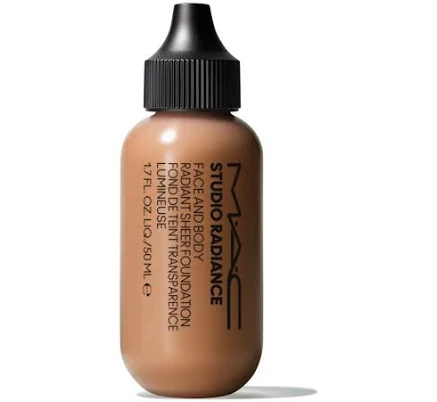
MAC Studio Radiance Face and Body Radiant Sheer Foundation
Lower PFAS concern for this liquid foundation formula.
This liquid foundation contains water, silicones, and pigments. The material as recorded is not linked to PFAS. MAC has no PFAS statement on record for this product.
We flunk more products than we pass. This one earned its grade. How we grade
Material
liquid foundation (water, silicones, pigments)
Lab data
No public lab test
You may also be interested in
Top-graded picks in the categories readers replace first, every one scored on the same rubric.

- polypropylene filter housing, carbon/sediment cartridge
- We found no PFAS statement from the brand
- Bacterial growth in spent cartridges
3 hazards checked on this product, all on its full breakdown.

Aquasure
Premier Series 75 GPD Under Sink Reverse Osmosis Water Filtration System
- RO membrane, carbon filters, stainless steel housing
- We found no PFAS statement from the brand
- Bacterial and microbial growth in housing and filters
4 hazards checked on this product, all on its full breakdown.

Avocado
Vegan Mattress
- organic cotton, natural latex, coconut coir, recycled steel coils
- The brand calls it PFAS-free, which we have not verified
- Heavy metals
2 hazards checked on this product, all on its full breakdown.
What MAC Studio Radiance Face Sheer Foundation is made of, ingredients and materials
Studio Radiance is a water-and-silicone emulsion foundation with iron oxide pigments and mica for shimmer. The water base keeps volatile organic compound (VOC) off-gassing minimal compared to powder formulas, and silicones (dimethicone, cyclopentasiloxane) are skin-inert at use levels but have been flagged in some environmental discussions. Pigment safety depends on iron oxide purity, which is generally well-regulated in cosmetics; no lead or cadmium has been reported in MAC's iron oxide suppliers.
What’s concerning
Category baseline
The starting point for this type of product, before anything specific to this product is counted.
No PFAS disclosure
No public statement from the brand about PFAS in this product.
Fragrance allergens and undisclosed components
MAC lists 'fragrance' as a single ingredient without breaking down individual allergens (eugenol, limonene, etc.). Sensitive-skin users may react, especially around eyes during blending; patch test on inner arm first.
Silicone accumulation and skin barrier effects
Cyclopentasiloxane and dimethicone are film-formers that can trap bacteria and sebum if not removed daily. Some dermatologists note breakouts in acne-prone users after prolonged daily wear without thorough cleansing; not a toxin but a usage-dependent irritant.
What’s reassuring
Base material not linked to PFAS
The main material recorded for this product is not one associated with PFAS.
1,4-dioxane (manufacturing byproduct)
No published testing by MAC for this ethoxylated contaminant, which can form in emulsified products. Independent cosmetic labs have occasionally detected trace levels in similar foundations; MAC does not disclose whether suppliers use vacuum stripping to remove it.
Lead
Iron oxide is a regulated colorant, and no recalls for heavy metal contamination have been issued for MAC foundations. However, MAC does not publish supplier testing certificates; risk is low but unverified by third parties.
Source, ATSDR ↗Packaging leachables (plastic bottle closure)
MAC Studio Radiance uses a sealed plastic pump bottle; no BPA or phthalate leaching has been reported. The product's pH (around 5.5-6.5) and silicone base are unlikely to leach plasticizers, but pump integrity should be checked before purchase for leaks.
How is this PFAS grade calculated?
The brand's record and disclosure
MAC (Estee Lauder Companies) does not publish a dedicated PFAS-free commitment or detailed ingredient sourcing transparency report. The brand has not faced major safety recalls for heavy metals or allergens in foundations in recent years, but does not voluntarily disclose third-party testing for 1,4-dioxane or formaldehyde releasers. MAC's ingredient lists are compliant with US FDA cosmetic labeling but lag peer brands (e.g., Sephora Collections, Bare Minerals) in voluntary heavy-metal testing disclosures.
How it compares in its category
Studio Radiance sits in the mid-to-premium liquid foundation tier. It uses more silicone than water-forward brands like CoverFX or MAC Face & Body (its own water-heavier sibling), which some consumers prefer for long wear but others avoid for sensitivity. Compared to powder or cream foundations, liquid formulas present lower microplastic risk and lower talc-contamination exposure; however, silicone-heavy formulas accumulate on skin over weeks if not cleansed thoroughly.
If you buy it
Apply with a damp beauty sponge or brush to avoid overapplication and buildup. Do not use near eyes or broken skin without a dermatologist's go-ahead. Remove daily with a proper makeup remover or oil cleanser before water-based cleanser, as silicone-heavy formulas can clog pores if left on overnight. Replace if formula separates, smells rancid, or shows color change; typical shelf life is 2-3 years unopened, 12 months after opening if stored at room temperature away from direct sunlight.
What is not known about PFAS in this product?
- Basis
- Model estimate, 72% confidence, not a lab result
- Lab test
- None on record for this exact product
- Brand statement
- MAC has made a specific claim
Formulations change between production runs, so check the current label. How we grade.
More makeup grades
How we score, every product runs through the same public 0-100 rubric based on materials, coatings, brand disclosure, lab findings, and recalls. See the full methodology → Spotted a mistake? Report an error.