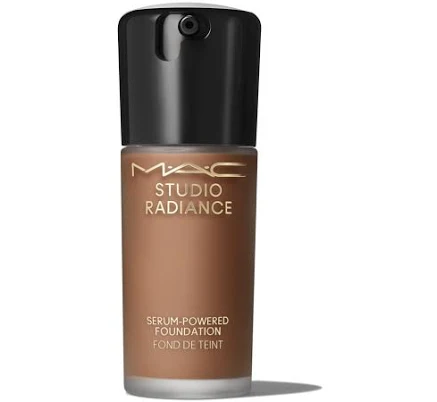
MAC Studio Radiance Serum-Powered Foundation
No public PFAS risk signals, but cosmetic formula not disclosed.
This liquid foundation has no known PFAS-treatment function like water-resistance or nonstick-coating type. The brand makes no PFAS claims.
The better-graded swap
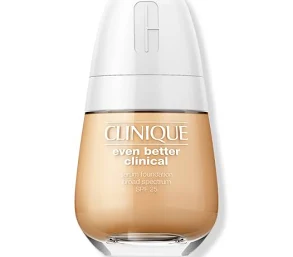
Clinique
Clinique Even Better Clinical Serum Foundation Broad Spectrum SPF 25
75/100 safety
Same rubric that flunked this product. The swap earned Excellent.
Still want this one anyway? Check the price on Amazon. We’d swap it.
Material
liquid serum foundation with glycerin & emollients
Lab data
No public lab test
You may also be interested in
Top-graded picks in the categories readers replace first, every one scored on the same rubric.

- polypropylene filter housing, carbon/sediment cartridge
- We found no PFAS statement from the brand
- Bacterial growth in spent cartridges
3 hazards checked on this product, all on its full breakdown.

Aquasure
Premier Series 75 GPD Under Sink Reverse Osmosis Water Filtration System
- RO membrane, carbon filters, stainless steel housing
- We found no PFAS statement from the brand
- Bacterial and microbial growth in housing and filters
4 hazards checked on this product, all on its full breakdown.

Avocado
Vegan Mattress
- organic cotton, natural latex, coconut coir, recycled steel coils
- The brand calls it PFAS-free, which we have not verified
- Heavy metals
2 hazards checked on this product, all on its full breakdown.
What MAC Studio Radiance Foundation is made of, ingredients and materials
MAC Studio Radiance is a liquid serum-in-foundation hybrid combining glycerin and emollients as the hydrating base, with pigments and film-formers for coverage. The serum delivery system means lower solid filler loads than powder foundations, reducing talc contamination risk and allowing better skin contact with active ingredients. Liquid formulas in this class typically use synthetic polymers and silicones for spreadability; these are non-volatile and remain on skin without off-gassing. The glycerin base is hygroscopic, so the formula should remain stable if kept sealed.
What’s concerning
Category baseline
The starting point for this type of product, before anything specific to this product is counted.
No PFAS disclosure
No public statement from the brand about PFAS in this product.
Formaldehyde / VOCs
MAC ingredient lists do not always itemize preservative blends; possible use of DMDM hydantoin or diazolidinyl urea is common in liquid cosmetics. These are legal at current levels but can off-gas low levels of formaldehyde. Unknown without full formulation transparency.
Source, ATSDR ↗Fragrance allergens undisclosed in 'fragrance' catch-all
Studio Radiance formulas may contain fragrance components listed only as 'fragrance' under EU and US law; specific allergens (limonene, linalool, etc.) are not itemized on label. Individuals with sensitive skin or known fragrance sensitivities should patch test or contact MAC directly for full composition.
What’s reassuring
Base material not linked to PFAS
The main material recorded for this product is not one associated with PFAS.
Heavy metals
MAC uses FD&C and CI-rated synthetic pigments; these are required to meet heavy metal limits (lead, cadmium, arsenic <10 ppm per FDA). No recalls or test failures on record for MAC foundations specific to metal contamination.
Source, FDA ↗1,4-dioxane contamination in emulsifiers or surfactants
1,4-dioxane is a potential byproduct in PEG-based emulsifiers; MAC does not publish residual solvent testing data. US and EU regulations do not require disclosure if levels are below trace; no specific dioxane recalls exist for MAC foundations.
Microplastic particles in formula or packaging
Liquid foundations rarely include intentional microbeads; synthetic polymers used for film-forming are typically soluble or sub-micron and not classified as microplastics. Packaging is plastic but not a primary contact concern if not heated or damaged.
How is this PFAS grade calculated?
The brand's record and disclosure
MAC publishes ingredient lists but does not disclose full supplier or processing data for cosmetics. The brand has no major recalls or public health warnings in recent history for foundations. MAC is owned by Estee Lauder, which has voluntarily removed some legacy preservatives and colorants but does not market PFAS-free claims or provide material safety certifications beyond standard regulatory compliance. No major NGO campaigns against MAC makeup have been active recently.
How it compares in its category
Serum foundations are mid-tier in terms of transparency compared to indie brands (lower) and prestige clean lines (higher). MAC's formula is typical for its price point, full synthetic pigment palettes, silicone-dominant, not certified organic or clean-label. Many competitors in the same price bracket (Fenty, Shiseido, Clinique) use similar formulation strategies with comparable ingredient disclosure. The serum positioning is a minor advantage over heavy powder or cream bases because it reduces talc and inert filler dependence.
If you buy it
Store upright in a cool, dry place away from direct sunlight; exposure to heat or UV can destabilize emulsions and promote microbial growth. Use a clean applicator or hands to avoid introducing bacteria into the bottle; do not add water or other liquids. Replace after 12 months of opening if stored at room temperature, or 6 months if exposed to moisture. If the formula separates, smells fermented, or changes texture, discard immediately rather than attempt to remix.
What is not known about PFAS in this product?
- Basis
- Model estimate, 42% confidence, not a lab result
- Lab test
- None on record for this exact product
- Brand statement
- MAC has made a specific claim
Formulations change between production runs, so check the current label. How we grade.
More makeup grades
How we score, every product runs through the same public 0-100 rubric based on materials, coatings, brand disclosure, lab findings, and recalls. See the full methodology → Spotted a mistake? Report an error.