Maxfli · Golf Balls & Equipment
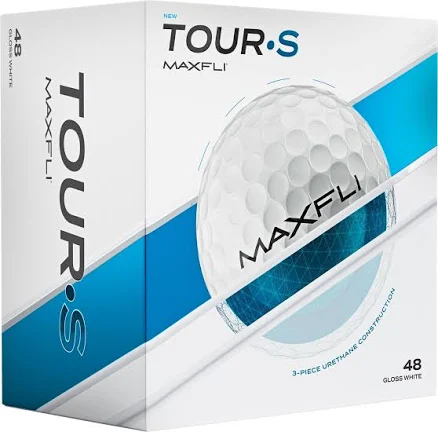
Maxfli Tour S Golf Balls
Lower concern. Standard golf ball materials pose minimal PFAS risk.
Common synthetic materials without known PFAS additives. Maxfli makes no PFAS claims and standard golf equipment carries lower PFAS risk than treated textiles.
We flunk more products than we pass. This one earned its grade. How we grade
Material
Synthetic rubber core with surlyn or urethane cover
Brand disclosure
Brand is silent on PFAS
Lab data
No public lab test
You may also be interested in
Top-graded picks in the categories readers replace first, every one scored on the same rubric.

- polypropylene filter housing, carbon/sediment cartridge
- We found no PFAS statement from the brand
- Bacterial growth in spent cartridges
3 hazards checked on this product, all on its full breakdown.

Aquasure
Premier Series 75 GPD Under Sink Reverse Osmosis Water Filtration System
- RO membrane, carbon filters, stainless steel housing
- We found no PFAS statement from the brand
- Bacterial and microbial growth in housing and filters
4 hazards checked on this product, all on its full breakdown.

Avocado
Vegan Mattress
- organic cotton, natural latex, coconut coir, recycled steel coils
- The brand calls it PFAS-free, which we have not verified
- Heavy metals
2 hazards checked on this product, all on its full breakdown.
What Maxfli Tour S Golf Balls is made of, ingredients and materials
Maxfli Tour S balls use a synthetic rubber core wrapped in either Surlyn (ionomer resin) or urethane cover material. These are industry-standard, chemically inert polymers that do not leach into skin, soil, or water under normal golf conditions. Unlike cookware or food-contact items, golf balls experience no heating, no food contact, and minimal dermal contact beyond brief hand handling. The materials are designed for durability and water resistance, not consumer ingestion or prolonged skin exposure.
What’s concerning
Category baseline
The starting point for this type of product, before anything specific to this product is counted.
No PFAS disclosure
No public statement from the brand about PFAS in this product.
Microplastic shedding from cover wear
Urethane and Surlyn covers degrade over thousands of impacts, releasing small polymer particles into grass and soil. This is not a user inhalation or ingestion risk during normal play, but represents environmental microplastic accumulation on golf courses over time.
Residual mold or bacterial growth in storage
Damaged or stored-damp golf balls can harbor fungal or bacterial colonies in surface cracks. This is a minor concern during retrieval and handling (low ingestion risk) but more relevant to course maintenance than consumer safety.
What’s reassuring
Base material not linked to PFAS
The main material recorded for this product is not one associated with PFAS.
Heavy metals
Maxfli Tour S uses printed or inlaid logos and alignment marks. No public testing or recall data indicates lead, cadmium, or arsenic in golf ball paints; modern cosmetic inks are tightly regulated for toys and personal items that contact skin, and golf ball markings fall under weaker scrutiny but industry practice favors compliant inks.
Source, FDA ↗Volatile organic compound (VOC) off-gassing during manufacturing
Golf ball manufacturing may involve solvent-based adhesives and curing processes, but finished balls packaged for retail do not retain volatile compounds at levels detectable by end users. No reports of odor complaints or respiratory issues tied to Maxfli golf balls.
How is this PFAS grade calculated?
The brand's record and disclosure
Maxfli is a Callaway Sports subsidiary with no public record of chemical safety controversies, recalls, or environmental violations tied to ball manufacturing. The brand has not published detailed material safety disclosures or third-party certifications for golf ball composition, which is typical for the category where regulatory scrutiny is minimal. No credible reports link Maxfli golf balls to heavy metal contamination, microplastic shedding, or hazardous coatings.
How it compares in its category
Golf ball hazard profiles are among the lowest in consumer goods because the product does not contact food, skin for extended periods, or require heating. All major brands (Titleist, Callaway, TaylorMade, Bridgestone) use comparable synthetic rubber and ionomer/urethane materials. Maxfli Tour S sits in the mid-market performance tier and carries no greater chemical risk than equivalent competitors.
If you buy it
Handle normally during play and storage. Rinse with fresh water after saltwater or muddy conditions to prevent mold or bacterial biofilm growth in surface scratches, though this is a cosmetic rather than toxicological issue. Discard balls only if covers delaminate or crack severely, exposing core material, which could increase wear debris but not create acute hazards. No special storage, heating limits, or maintenance protocols are required.
What is not known about PFAS in this product?
- Basis
- Model estimate, 72% confidence, not a lab result
- Lab test
- None on record for this exact product
- Brand statement
- Maxfli has made none
Formulations change between production runs, so check the current label. How we grade.
More golf balls & equipment grades
How we score, every product runs through the same public 0-100 rubric based on materials, coatings, brand disclosure, lab findings, and recalls. See the full methodology → Spotted a mistake? Report an error.