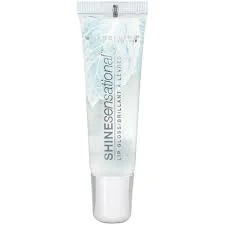
Maybelline Shine Sensational Lip Gloss
Lower-concern product; no known PFAS-prone formulation, but cosmetics lack transparency.
Simple cosmetic without water-repellent, nonstick, or stain-resistant treatments typical of PFAS use. Maybelline provides no public PFAS disclosure.
We flunk more products than we pass. This one earned its grade. How we grade
Material
Glycerin, silicone, wax, pigments
Lab data
No public lab test
You may also be interested in
Top-graded picks in the categories readers replace first, every one scored on the same rubric.

- polypropylene filter housing, carbon/sediment cartridge
- We found no PFAS statement from the brand
- Bacterial growth in spent cartridges
3 hazards checked on this product, all on its full breakdown.

Aquasure
Premier Series 75 GPD Under Sink Reverse Osmosis Water Filtration System
- RO membrane, carbon filters, stainless steel housing
- We found no PFAS statement from the brand
- Bacterial and microbial growth in housing and filters
4 hazards checked on this product, all on its full breakdown.

Avocado
Vegan Mattress
- organic cotton, natural latex, coconut coir, recycled steel coils
- The brand calls it PFAS-free, which we have not verified
- Heavy metals
2 hazards checked on this product, all on its full breakdown.
What Maybelline Shine Sensational Lip Gloss is made of, ingredients and materials
This lip gloss is a silicone and glycerin-based formula typical of the category. Silicones provide slip and shine without meaningful skin penetration; glycerin is a humectant that draws moisture to lips. Waxes thicken the formula for application control. The pigments used are synthetic colorants; composition details are not fully disclosed publicly, which limits independent verification of heavy metal content in the colorant batch.
What’s concerning
Category baseline
The starting point for this type of product, before anything specific to this product is counted.
No PFAS disclosure
No public statement from the brand about PFAS in this product.
Lead
Synthetic colorants in cosmetics can occasionally contain trace heavy metals from ore or manufacturing. Maybelline does not publicly disclose heavy metal testing results for Shine Sensational; FDA-approved colorants have established exposure limits at label-use rates, but batch-to-batch variation is not independently verified for this product.
Source, ATSDR ↗Fragrance allergens and undisclosed fragrance components
If the formula includes fragrance, individual components (e.g., cinnamyl alcohol, eugenol, limonene) are often not listed. Individuals with sensitive skin or fragrance allergies may react; the product label does not break down fragrance components, limiting avoidance by allergic consumers.
1,4-dioxane as trace manufacturing byproduct
Silicone-based cosmetics can contain trace 1,4-dioxane from ethoxylation steps in ingredient synthesis. Maybelline does not publish testing data; the FDA does not mandate 1,4-dioxane limits in cosmetics, though concentrations in finished products are typically very low.
Ingestion risk from lip application
Lip glosses are partly ingested during eating, drinking, and lip touching. The formulation is non-toxic at small ingested amounts, but repeated exposure to synthetic pigments and silicones over years is not extensively studied. Not a pregnancy or child developmental concern at normal use, but chronic ingestion data is limited.
What’s reassuring
Base material not linked to PFAS
The main material recorded for this product is not one associated with PFAS.
Silicone buildup and formula stability over time
Silicone-based glosses do not degrade into harmful compounds under normal storage. No recalls or complaints link Shine Sensational to formula breakdown, leaching, or oxidation. Formula stability is not a documented concern for this product.
How is this PFAS grade calculated?
The brand's record and disclosure
Maybelline (L'Oreal USA) does not publish detailed ingredient sourcing, supplier audits, or third-party safety testing results for individual products. The brand complies with FDA color additive regulations but does not voluntarily exceed baseline cosmetic safety standards. No recalls have been issued for Shine Sensational lip gloss. The brand's transparency on allergen flagging and heavy metals testing is limited compared to premium or indie brands.
How it compares in its category
Maybelline Shine Sensational is a mass-market lip gloss with a conventional formulation. It uses approved colorants and no known problematic ingredients (e.g., no talc, no lead-based dyes on record). Compared to luxury alternatives, it offers less transparency; compared to indie or certified organic brands, it lacks third-party testing disclosure. Functionally, it performs similarly to other silicone-glycerin glosses in the drugstore segment.
If you buy it
Apply only to lips and avoid ingestion; do not use if applicator touches broken or irritated skin. Store at room temperature away from direct sunlight to prevent formula separation. Replace every 12-18 months or sooner if odor, color, or texture changes. If any rash, swelling, or allergic reaction occurs, discontinue and consult a healthcare provider. Wash hands after application to avoid inadvertent transfer to eyes or sensitive areas.
What is not known about PFAS in this product?
- Basis
- Model estimate, 72% confidence, not a lab result
- Lab test
- None on record for this exact product
- Brand statement
- Maybelline has made a specific claim
Formulations change between production runs, so check the current label. How we grade.
What are the PFAS-free alternatives to Maybelline Shine Sensational Lip Gloss?
- Jelly base, pigments, oils
- We found no PFAS statement from the brand
- Fragrance allergens and irritants
2 hazards checked on this product, all on its full breakdown.
- Lip gloss with natural waxes and oils
- We found no PFAS statement from the brand
- Oil oxidation and rancidity on prolonged storage
2 hazards checked on this product, all on its full breakdown.
More lip gloss grades
How we score, every product runs through the same public 0-100 rubric based on materials, coatings, brand disclosure, lab findings, and recalls. See the full methodology → Spotted a mistake? Report an error.