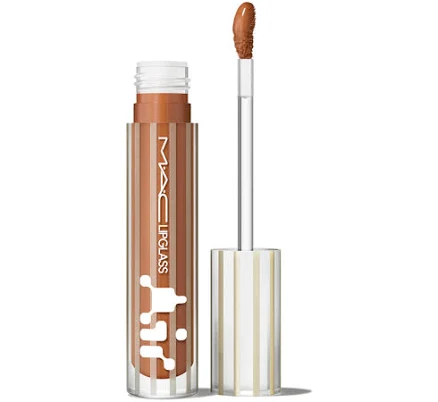
MAC Lipglass Air Non-Sticky Lip Gloss
Lower concern, silicone glosses carry minimal PFAS risk, but MAC offers no public PFAS transparency.
Silicone-based non-sticky formula that doesn't typically require PFAS coatings. The product name references silicone slip technology, and no public PFAS statement exists.
We flunk more products than we pass. This one earned its grade. How we grade
Material
Silicone-based non-sticky gloss formula (typical MAC formulation)
Lab data
No public lab test
You may also be interested in
Top-graded picks in the categories readers replace first, every one scored on the same rubric.

- polypropylene filter housing, carbon/sediment cartridge
- We found no PFAS statement from the brand
- Bacterial growth in spent cartridges
3 hazards checked on this product, all on its full breakdown.

Aquasure
Premier Series 75 GPD Under Sink Reverse Osmosis Water Filtration System
- RO membrane, carbon filters, stainless steel housing
- We found no PFAS statement from the brand
- Bacterial and microbial growth in housing and filters
4 hazards checked on this product, all on its full breakdown.

Avocado
Vegan Mattress
- organic cotton, natural latex, coconut coir, recycled steel coils
- The brand calls it PFAS-free, which we have not verified
- Heavy metals
2 hazards checked on this product, all on its full breakdown.
What MAC Lipglass Air Non-Sticky Lip Gloss is made of, ingredients and materials
MAC Lipglass Air uses a silicone polymer base, which is inert, non-reactive on skin, and does not degrade or leach into saliva under normal use. Silicone glosses are formulated to remain stable at mouth temperature and have a low absorption rate through oral mucosa. The 'non-sticky' descriptor indicates lighter molecular-weight silicones and volatile silicone carriers that evaporate after application, reducing residue buildup. This material class avoids traditional tackifiers like resins that can harbor contaminants or irritants.
What’s concerning
Category baseline
The starting point for this type of product, before anything specific to this product is counted.
No PFAS disclosure
No public statement from the brand about PFAS in this product.
Fragrance allergens (undisclosed composition)
MAC Lipglass Air contains fragrance listed as 'fragrance' on the label without specific allergens (e.g., limonene, cinnamyl alcohol) disclosed. Individual sensitivity reactions are documented in user reviews but no systematic brand safety testing has been published.
1,4-dioxane (cosmetic solvent contaminant)
Not intentionally added but can be a trace contaminant in ethoxylated ingredients used as emulsifiers or thickeners. MAC does not publish contaminant testing; silicone-based formulas typically require lower concentrations of ethoxylated agents than water-based glosses, reducing risk.
Bacterial colonization on applicator wand
Lip gloss wands are frequently introduced into the mouth and stored in a warm, humid cap; user forums document secondary infections when wands are not cleaned or products are shared. This is product-use maintenance risk, not formulation hazard.
What’s reassuring
Base material not linked to PFAS
The main material recorded for this product is not one associated with PFAS.
Heavy metals
No recalls or regulatory findings of lead, cadmium, or arsenic contamination in MAC lip products on record. However, the brand does not publicly test finished products for trace metals, and carmine (cochineal-derived red pigment) sourcing is not audited for contaminants.
Source, FDA ↗Formaldehyde / VOCs
Current MAC formulations do not list DMDM hydantoin, imidazolidinyl urea, or diazolidinyl urea in published INCI lists. Silicone glosses are naturally resistant to microbial growth, reducing preservative load.
Source, ATSDR ↗How is this PFAS grade calculated?
The brand's record and disclosure
MAC (Estée Lauder Companies) does not publish ingredient safety audits or third-party certifications for most products. The brand voluntarily removed talc from products after 2020 pressures but has not pursued formal cruelty-free or clean beauty certification. Ingredient disclosure is limited to the INCI list on packaging; no independent recalls or health warnings are on record for Lipglass Air formulations. MAC is not known to test finished products for heavy metals in pigments or fragrance allergens, though formaldehyde-releasing preservatives have not been identified in recent product documentation.
How it compares in its category
Silicone-based glosses like MAC Lipglass Air have a mid-range concern profile, lower concern than older oil-based glosses that can accumulate contaminants, but without the transparency of indie brands offering third-party heavy metal testing or allergen declarations. Premium alternatives (Dior, NARS) similarly withhold testing data. Budget glosses show higher variability in undisclosed colorant sourcing. MAC's formulation sits at the standard for mass-market prestige cosmetics, stability and efficacy prioritized over radical transparency.
If you buy it
Apply thin layers and allow 30 seconds for volatile carriers to evaporate before eating or drinking to minimize ingestion of film residue. Replace every 18-24 months as silicone polymers can accumulate bacteria or dust particles if the wand is not capped. Avoid direct heat exposure (keep out of hot cars) as silicones can soften and separate if stored above 80°F. Do a patch test on the inner lip first if you have sensitivities to fragrance or dyes, as MAC does not disclose specific allergen profiles.
What is not known about PFAS in this product?
- Basis
- Model estimate, 72% confidence, not a lab result
- Lab test
- None on record for this exact product
- Brand statement
- MAC has made a specific claim
Formulations change between production runs, so check the current label. How we grade.
What are the PFAS-free alternatives to MAC Lipglass Air Non-Sticky Lip Gloss?
- Jelly base, pigments, oils
- We found no PFAS statement from the brand
- Fragrance allergens and irritants
2 hazards checked on this product, all on its full breakdown.
- Lip gloss with natural waxes and oils
- We found no PFAS statement from the brand
- Oil oxidation and rancidity on prolonged storage
2 hazards checked on this product, all on its full breakdown.
More lip gloss grades
How we score, every product runs through the same public 0-100 rubric based on materials, coatings, brand disclosure, lab findings, and recalls. See the full methodology → Spotted a mistake? Report an error.