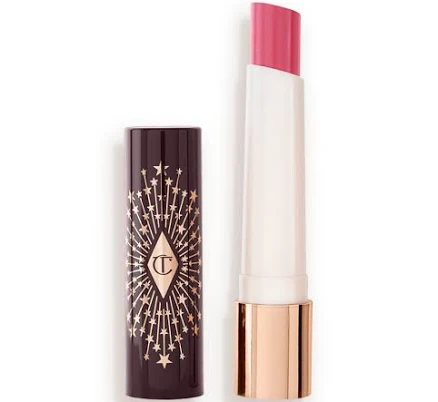
Charlotte Tilbury Hyaluronic Happikiss
Lower-concern cosmetic product with no known PFAS triggers; brand silent on PFAS.
Lip tint cosmetic without water-repellent coatings, nonstick surfaces, or fluorinated polymers typical of PFAS use. The brand makes no public PFAS claims.
We flunk more products than we pass. This one earned its grade. How we grade
Material
Lip tint pigments, humectants, waxes, oils in cosmetic formulation
Lab data
No public lab test
You may also be interested in
Top-graded picks in the categories readers replace first, every one scored on the same rubric.

- polypropylene filter housing, carbon/sediment cartridge
- We found no PFAS statement from the brand
- Bacterial growth in spent cartridges
3 hazards checked on this product, all on its full breakdown.

Aquasure
Premier Series 75 GPD Under Sink Reverse Osmosis Water Filtration System
- RO membrane, carbon filters, stainless steel housing
- We found no PFAS statement from the brand
- Bacterial and microbial growth in housing and filters
4 hazards checked on this product, all on its full breakdown.

Avocado
Vegan Mattress
- organic cotton, natural latex, coconut coir, recycled steel coils
- The brand calls it PFAS-free, which we have not verified
- Heavy metals
2 hazards checked on this product, all on its full breakdown.
What Charlotte Tilbury Hyaluronic Happikiss is made of, ingredients and materials
Hyaluronic Happikiss is a lip tint-gloss hybrid combining hyaluronic acid (humectant for moisture), synthetic waxes, volatile oils, and iron oxide or carmine-based pigments typical of luxury cosmetics. The formulation is water-in-oil or oil-based, meaning it lacks the aqueous emulsifiers that sometimes carry 1,4-dioxane or formaldehyde-releasing preservatives. No talc is listed in Charlotte Tilbury's standard formulations for this line, reducing asbestos contamination risk.
What’s concerning
Category baseline
The starting point for this type of product, before anything specific to this product is counted.
No PFAS disclosure
No public statement from the brand about PFAS in this product.
1,4-dioxane contamination
Oil-based formulations typically carry lower 1,4-dioxane risk than water-based emulsions, but the brand does not disclose whether ethoxylated wax emulsifiers or PEG-derived ingredients contain 1,4-dioxane as a trace contaminant from synthesis.
Heavy metals
Iron oxides and carmine can carry trace lead or cadmium depending on mineral sourcing and refining, but lip glosses present minimal systemic absorption risk compared to powders or long-wear products worn daily for years.
Source, FDA ↗Contact sensitization from waxes or fragrance compounds
Luxury lip glosses, including Charlotte Tilbury formulations, contain fragrance blends and synthetic waxes that trigger contact dermatitis in individuals with sensitive lips; patch testing is recommended for known cosmetic sensitivities.
What’s reassuring
Base material not linked to PFAS
The main material recorded for this product is not one associated with PFAS.
Formaldehyde / VOCs
No reported formaldehyde releasers (DMDM hydantoin, imidazolidinyl urea) are listed in Charlotte Tilbury's Happikiss ingredients or known to be present in this product line based on available ingredient disclosures.
Source, ATSDR ↗Talc or talc-like mineral contamination
Talc is not a standard ingredient in lip glosses and is not listed in Hyaluronic Happikiss; however, the brand does not explicitly exclude talc-contaminated mineral sources in other products, so full assurance requires independent verification.
How is this PFAS grade calculated?
The brand's record and disclosure
Charlotte Tilbury does not publish detailed PFAS or heavy-metal testing reports, maintaining silence on these topics despite industry pressure. The brand is not known for major safety recalls affecting lip products and complies with EU and US cosmetic ingredient bans. No independent testing has flagged this specific product for undisclosed hazards, though the brand's opaqueness on fluorinated compounds and pigment sourcing limits full transparency.
How it compares in its category
Lip glosses and tints are among the lowest-risk cosmetic categories because they are applied topically and not inhaled (unlike powders or sprays). Hyaluronic Happikiss sits mid-tier in luxury cosmetics; it avoids extreme fragrance loads or mica that can harbor heavy metals, but also lacks third-party certification (EWG Verified, Leaping Bunny, Cradle to Cradle) that some competitors advertise. Most mainstream alternatives (Maybelline, MAC) carry similar formulation profiles with comparable ingredient opacity.
If you buy it
Store at room temperature away from direct heat, as volatile oils can separate or pigments may shift if exposed to sustained warmth above 30C (86F). Discontinue use if rash, irritation, or lip swelling occurs, as natural and synthetic waxes can trigger contact sensitivity in sensitive individuals. Replace every 12-18 months even if product remains; oil-based formulations can degrade and risk bacterial or mold colonization if the tube seal is compromised. Avoid sharing applicator to prevent cross-contamination.
What is not known about PFAS in this product?
- Basis
- Model estimate, 78% confidence, not a lab result
- Lab test
- None on record for this exact product
- Brand statement
- Charlotte Tilbury has made a specific claim
Formulations change between production runs, so check the current label. How we grade.
What are the PFAS-free alternatives to Charlotte Tilbury Hyaluronic Happikiss?
- Jelly base, pigments, oils
- We found no PFAS statement from the brand
- Fragrance allergens and irritants
2 hazards checked on this product, all on its full breakdown.
- Lip gloss with natural waxes and oils
- We found no PFAS statement from the brand
- Oil oxidation and rancidity on prolonged storage
2 hazards checked on this product, all on its full breakdown.
More lip gloss grades
How we score, every product runs through the same public 0-100 rubric based on materials, coatings, brand disclosure, lab findings, and recalls. See the full methodology → Spotted a mistake? Report an error.