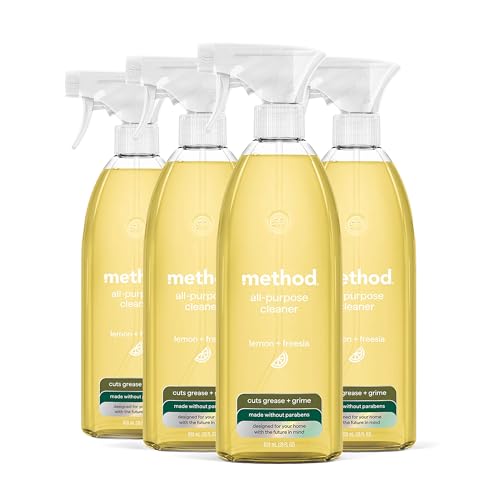
Method All-Purpose Cleaner Spray, Lemon + Freesia
Lower concern for PFAS; common all-purpose cleaner without known risks.
Method All-Purpose Cleaner is a water-based liquid product with no known PFAS-associated ingredients. Brand makes no PFAS disclosure, but formula type poses minimal PFAS concern.
We flunk more products than we pass. This one earned its grade. How we grade
Material
water-based liquid cleaner in plastic spray bottle
Lab data
No public lab test
You may also be interested in
Top-graded picks in the categories readers replace first, every one scored on the same rubric.

- polypropylene filter housing, carbon/sediment cartridge
- We found no PFAS statement from the brand
- Bacterial growth in spent cartridges
3 hazards checked on this product, all on its full breakdown.

Aquasure
Premier Series 75 GPD Under Sink Reverse Osmosis Water Filtration System
- RO membrane, carbon filters, stainless steel housing
- We found no PFAS statement from the brand
- Bacterial and microbial growth in housing and filters
4 hazards checked on this product, all on its full breakdown.

Avocado
Vegan Mattress
- organic cotton, natural latex, coconut coir, recycled steel coils
- The brand calls it PFAS-free, which we have not verified
- Heavy metals
2 hazards checked on this product, all on its full breakdown.
What Method All-Purpose Cleaner Spray Freesia is made of, ingredients and materials
Method All-Purpose Cleaner is a water-based liquid formulation in a plastic spray bottle, designed for general household cleaning on hard surfaces. The active ingredients are mild surfactants and botanical extracts (lemon and freesia fragrance notes), not corrosive alkaline or solvent-based chemistry typical of stronger degreasers. Water-based formulas pose lower acute toxicity and inhalation risk than petroleum distillates or ammonia-based cleaners, though the fragrance compounds and preservatives warrant routine scrutiny.
What’s concerning
Category baseline
The starting point for this type of product, before anything specific to this product is counted.
No PFAS disclosure
No public statement from the brand about PFAS in this product.
1,4-dioxane (surfactant contaminant)
Water-based cleaners with ethoxylated surfactants may contain trace 1,4-dioxane as a manufacturing by-product. No specific testing of this Method product is on public record; the risk is common to the category but typically at levels below acute concern in typical household spray use.
Fragrance allergens and sensitizers
Lemon and freesia fragrance notes may contain limonene, linalool, or other naturally derived volatile compounds known to trigger contact dermatitis or respiratory sensitivity in susceptible individuals. Method does not provide a full fragrance ingredient breakdown; this is standard for proprietary formulations but limits individualized risk assessment.
Plastic bottle leachates
The spray bottle material is not specified on public information. If made of polycarbonate or recycled plastic, it may leach trace bisphenol A (BPA) or bisphenol S (BPS) over extended storage or if exposed to heat. The product itself is aqueous and not a food contact surface, so ingestion risk is minimal unless bottle leakage occurs.
Formaldehyde / VOCs
Liquid cleaners commonly contain preservatives (methylisothiazolinone, parabens, or formaldehyde-releasing agents) to prevent microbial growth. Method's ingredient transparency is better than many brands, but complete preservative disclosure is not always provided; residual amounts in spray mist are typically below occupational concern but may irritate sensitive airways.
Source, ATSDR ↗Inhalation of surfactant and solvent mist
Regular or prolonged inhalation of any spray cleaner mist, even water-based, can deposit surfactant particles and fragrance volatiles in the respiratory tract. This is not acute toxicity but chronic low-level exposure risk; ventilation and spray duration management are the primary controls.
What’s reassuring
Base material not linked to PFAS
The main material recorded for this product is not one associated with PFAS.
How is this PFAS grade calculated?
The brand's record and disclosure
Method is owned by SC Johnson and has positioned itself as a 'green' cleaning brand with transparency initiatives; the company publishes ingredient lists and has certified products under EPA Safer Choice and Cradle to Cradle frameworks. No major recalls or regulatory actions specific to this all-purpose cleaner are on record. The brand's PFAS stance is not publicly detailed, but the water-based formulation and lower PFAS grade (85/100) suggest reformulation away from aqueous film-forming compounds common in older spray cleaners.
How it compares in its category
Among spray all-purpose cleaners, Method sits in the consumer-marketed 'safer' segment, competing with brands like Seventh Generation and Ecos rather than industrial or solvent-heavy products. Its water-based, plant-derived surfactant approach avoids the volatile organic compound (VOC) load and chronic inhalation concerns of conventional ammonia or petroleum-based alternatives. Effectiveness on grease and grime is lower than harsher formulas, trading cleaning power for reduced hazard profile, which is typical and acceptable for general-purpose use.
If you buy it
Use in well-ventilated spaces, especially if sprayed indoors regularly, to minimize any residual fragrance volatile exposure. Keep the spray bottle away from heat and direct sunlight to preserve the plastic container integrity and prevent leakage. Wash hands after use and avoid eye contact; like all surfactant cleaners, ingestion by children or pets warrants a poison control call. Do not mix with other cleaners, especially bleach or acid-based products, as even mild surfactants can react unpredictably.
What is not known about PFAS in this product?
- Basis
- Model estimate, 72% confidence, not a lab result
- Lab test
- None on record for this exact product
- Brand statement
- Method has made a specific claim
Formulations change between production runs, so check the current label. How we grade.
What are the PFAS-free alternatives to Method All-Purpose Cleaner Spray, Lemon + Freesia?

- Hypochlorous acid electrochemical solution
- A third party reports verifying it as PFAS-free
- Oxidizer / skin and eye irritation
3 hazards checked on this product, all on its full breakdown.
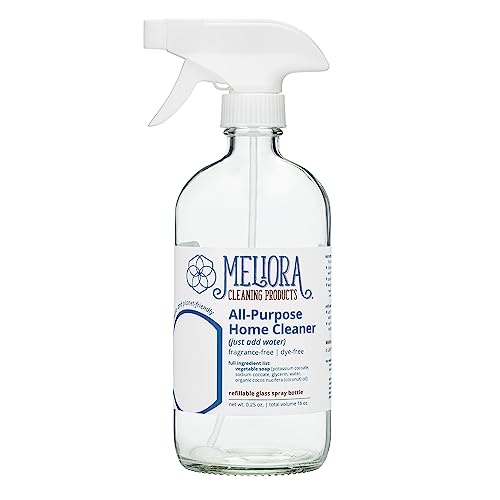
- Plant-derived surfactants, water, essential oils
- A third party reports verifying it as PFAS-free
- Essential oil inhalation and sensitization
3 hazards checked on this product, all on its full breakdown.
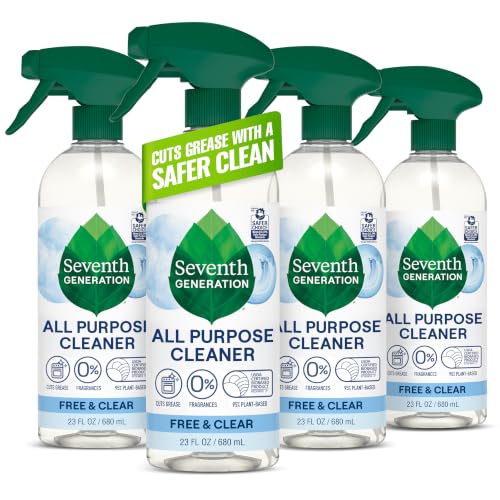
- water, plant-derived surfactants, mineral salts
- A third party reports verifying it as PFAS-free
- Skin irritation from surfactants
2 hazards checked on this product, all on its full breakdown.
More all-purpose cleaner grades
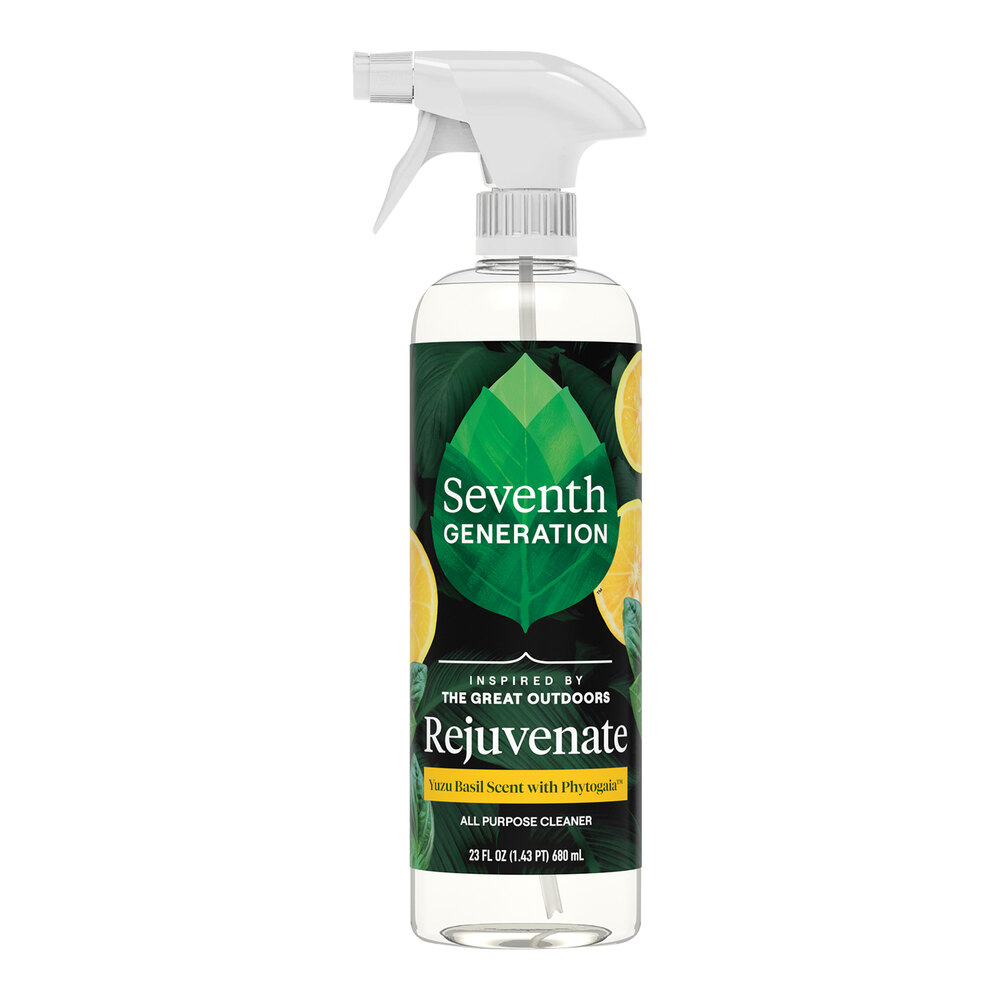 100Seventh Generation All Purpose Cleaner - Yuzu Basil with Phytogaia™
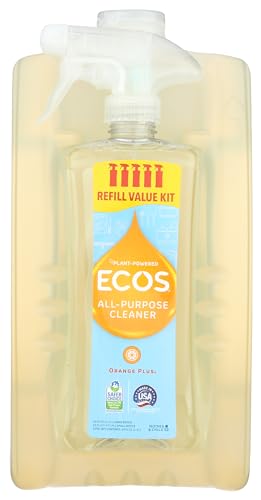 100ECOS All-Purpose Cleaner - Orange
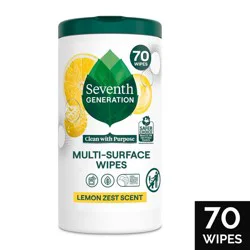 100Seventh Generation All Purpose Cleaner - Lemon Zest
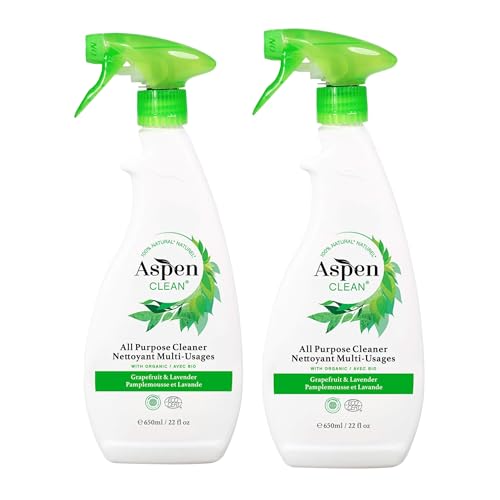 100AspenClean Natural All Purpose Cleaner
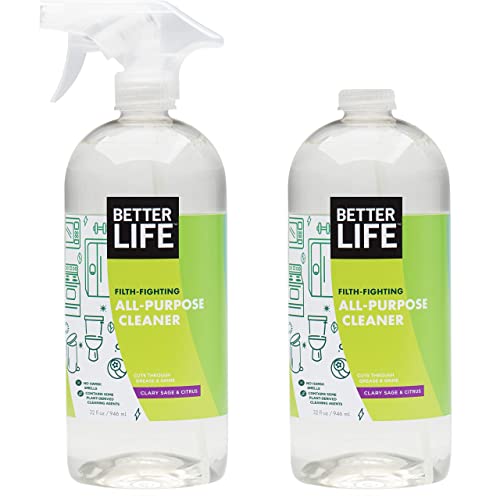 100Better Life All Purpose Cleaner
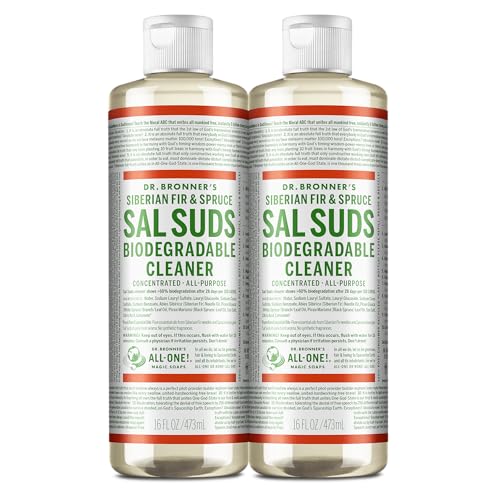 85Dr. Bronner's Sal Suds Biodegradable Cleaner
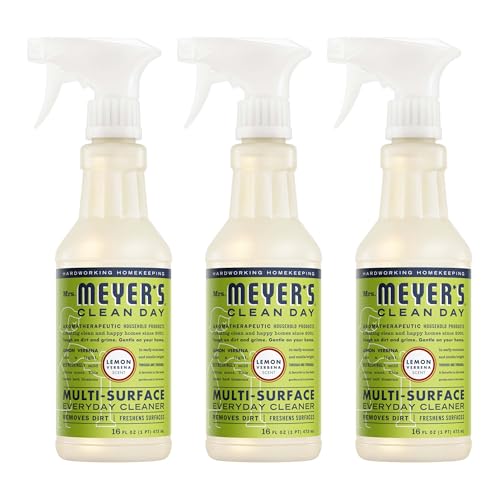 85Mrs. Meyer's Clean Day Peppermint All-Purpose Cleaner Spray
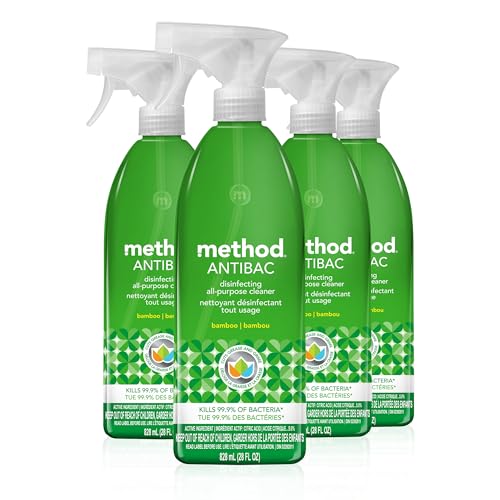 85Method All-Purpose Cleaner Spray, Bamboo
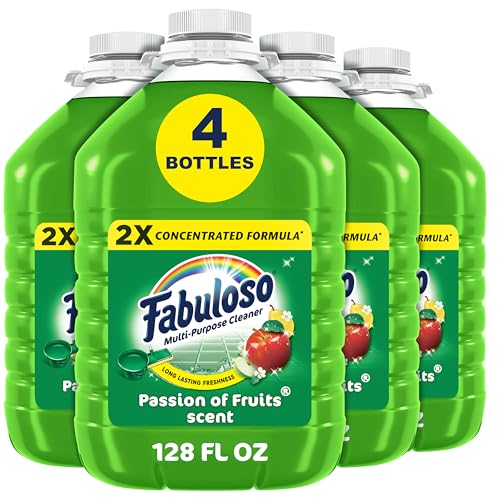 85Fabuloso 2X Multi-Purpose Cleaner with Baking Soda, Citrus and Fruits Scent
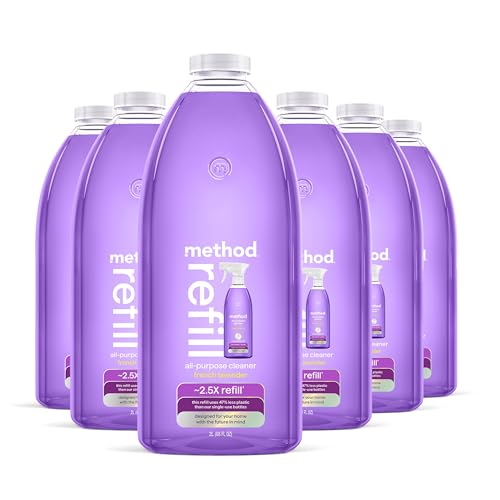 85Method All-Purpose Cleaner Refill, French LavenderCompare vs Force of Nature →All all-purpose cleaner →
How we score, every product runs through the same public 0-100 rubric based on materials, coatings, brand disclosure, lab findings, and recalls. See the full methodology → Spotted a mistake? Report an error.